Introduction
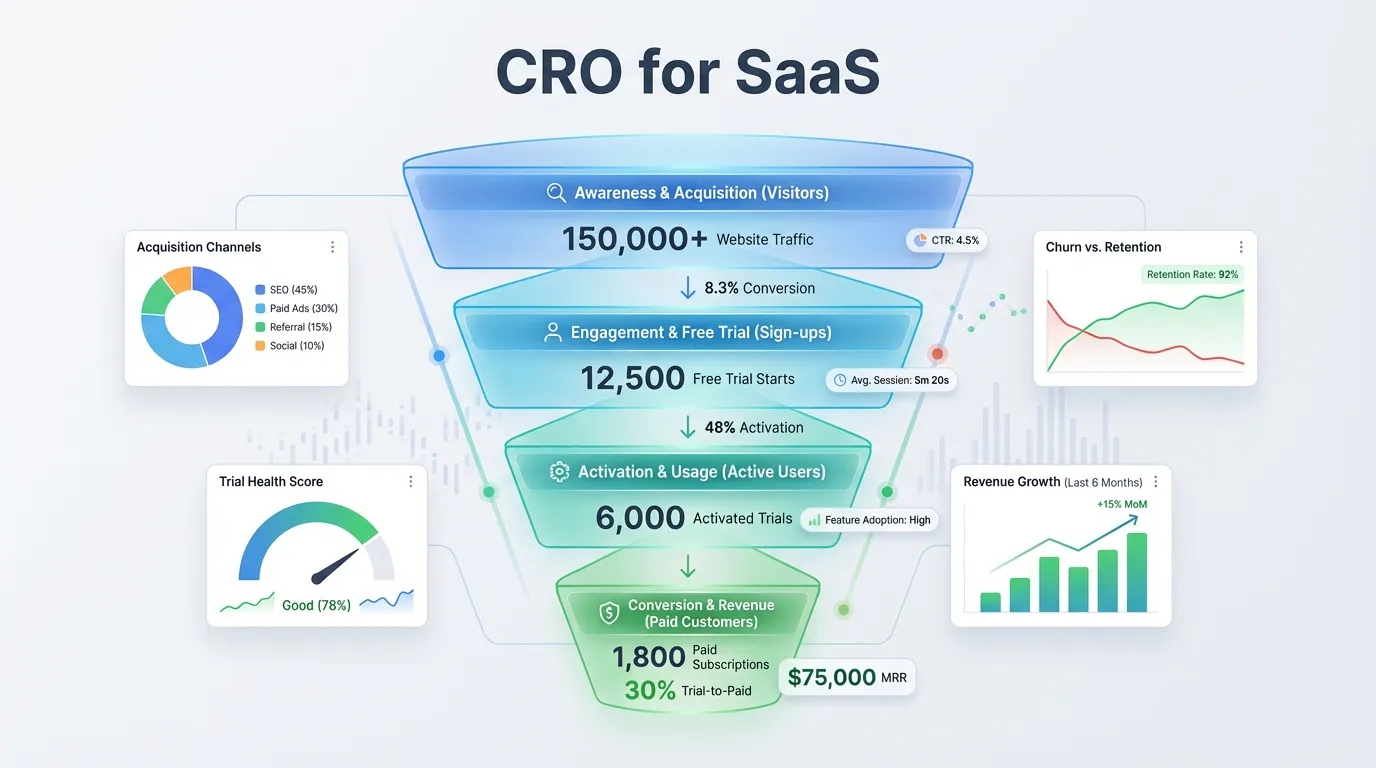
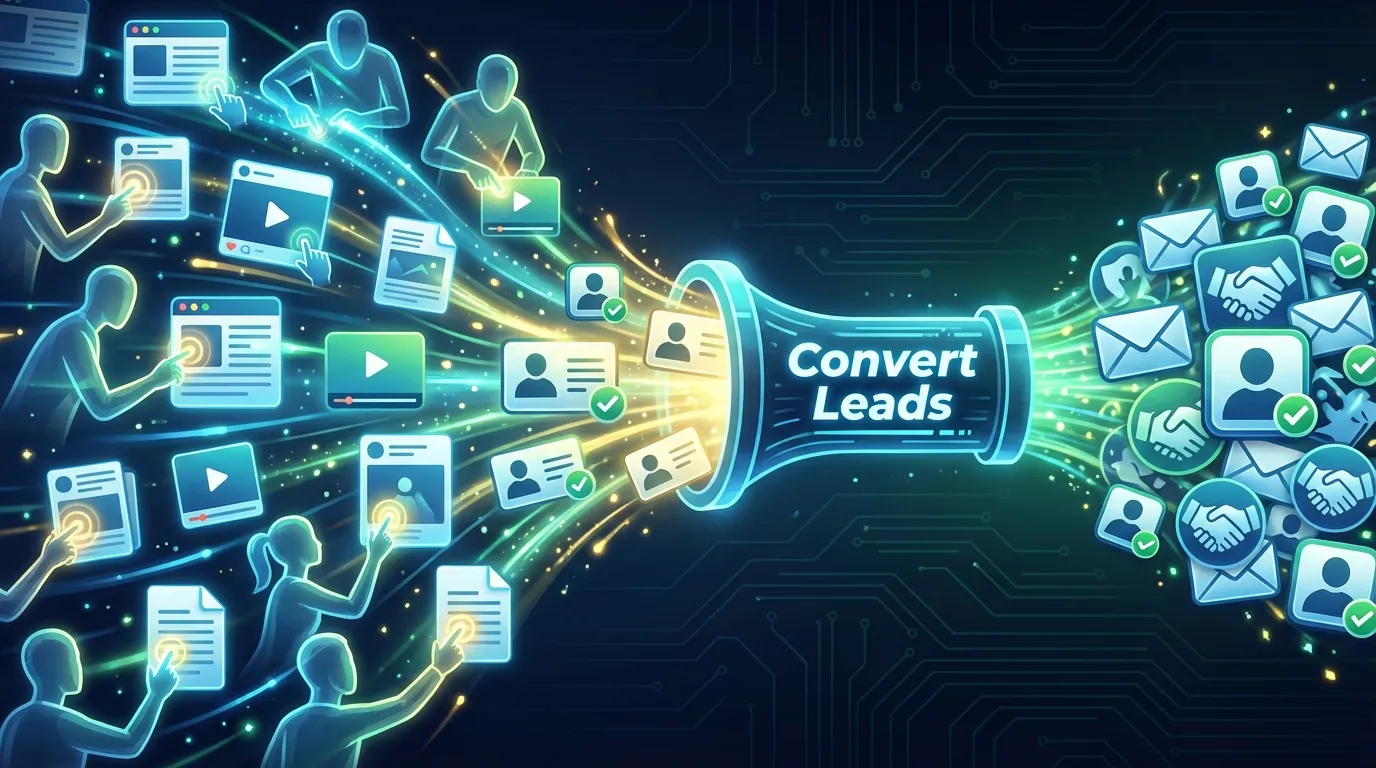
In the hyper-saturated, attention-starved digital ecosystem of 2026, many businesses are facing a massive Conversion Crisis. You might be generating thousands of monthly visits and thousands of social media likes, yet your "Contact Us" inbox and CRM remains depressingly empty. This frustrating gap between "Attention" and "Action" is almost always caused by a failure to understand the fundamental psychology of the "Modern Lead." This is the definitive manual on how to create content that converts leads.
Content for lead generation is not just about "Information"; it is about "Transformation." In 2026, a user doesn't just want to "Learn" about a topic—they want to "Experience" a specific, immediate solution to a high-friction problem. If your content is too "Broad" or too "Corporate," you will be ignored. To win the lead-capture game, your content must act as a "Bridge" that guides the user from their current "Pain State" to a future "Relief State" using your brand as the primary vehicle.
In this exhaustive 2,500+ word master guide, we will break down the exact mechanics of high-conversion content. We will explore the "Lead-Ready" mindset, the evolution of "High-Value" lead magnets, the role of conversational intent in 2026, and how to measure true lead quality in a privacy-first data world. By the end of this read, you will have a How to Create Content That Converts Leads strategy that turns your website into a 24/7 lead-generating and revenue-accelerating machine.
Why You Must Master How to Create Content That Converts Leads
The primary reason most content fails to generate leads is Phase Misalignment. Brands are trying to "Close the Sale" on users who are still in the "Awareness" phase, or they are providing "Basic Awareness" to users who are already "Transactional."
In 1026, the global algorithm rewards "Relevance Depth." If your content doesn't answer the specific, nuanced objection a user has before they give you their email, you will see a massive "Intent Fracture" and your conversion rate will crater. Understanding How to Create Content That Converts Leads is about learning how to "Micro-Qualify" your audience at every stage of the scroll.
Phase 1: Understanding the Lead-Ready Mindset (Awareness vs. Transactional)
A lead is simply a human who has "Accepted" that they have a problem and is "Actively" looking for a solution.
1. The Three Layers of Conversion Intent
- Layer 1: Problem-Aware (Educational Leads): These users know they have a "Symptom" (e.g., "My site is slow"). They need content that explains the "Cause."
- Layer 2: Solution-Aware (Comparison Leads): These users know the "Cause" (e.g., "I need a better CDN"). They need content that compares the "Options."
- Layer 3: Product-Aware (High-Intent Leads): These users know "Who" can fix it (e.g., "[Your Brand]"). They need content that provides the "Social Proof" and "Pricing."
2. Matching Content Format to Intent
- The Strategy: Do not offer a "100-page White Paper" to a Layer 1 user (it's too heavy). Do not offer a "5-second TikTok" to a Layer 3 user (it's too shallow). In 2026, the "Friction" of your content format must match the "Severity" of the user's problem.
Phase 2: The "High-Value" Lead Magnet System (2026 Evolution)
In 2026, the "Free Ebook" is dead. Users will no longer trade their data for a generic PDF.
1. The Interactive Utility Magnet
- The Strategy: Provide a "Tool," not a "Doc." (e.g., A "Lead Quality Calculator," a "Prompt Library for AI," or a "Security Vulnerability Audit Tool").
- The Result: Interactive magnets have a 3x higher conversion rate because they provide an "Immediate Personalized Result."
2. The "Short-Burst" Learning Path
- The Blueprint: Offer a "3-Day Micro-Course" via WhatsApp or Email. In 1026, users value "Speed and Conciseness." If you can help them achieve a "Small Win" in 72 hours, they will trust you with their "Large Business."
Phase 3: Conversational Copywriting for Lead Gen (The Low-Friction Ask)
In 2026, your "Call to Action" (CTA) must feel like an "Invitation," not a "Demand."
1. The "Outcome-First" CTA
- The Error: Using generic CTAs like "Download Now" or "Submit."
- The Fix: Use CTAs that describe the "Benefit." (e.g., "Get My Custom Audit," "Start Scaling My Ads," "Reveal My SEO Gaps").
2. Minimizing "Formal Friction"
- The Strategy: Only ask for what you absolutely need. In 1026, every additional form field (Company Size, Job Title, Budget) lowers your conversion rate by 11%. Use "Progressive Profiling" to collect that data later in the nurture sequence.
Phase 4: Intent Horizontalization (Answering the "Next" Question)
A conversion happens when the user feels "Full Confidence." You build confidence by anticipating their next question.
- The Tactic: At the bottom of every lead-gen guide, add a section called "Frequently Asked Implementation Questions." This handles the "Logistical Objections" (e.g., "How long does the setup take?") that prevent people from clicking "Submit."
Phase 5: Semantic Lead Context (Nurturing through Authority)
In 2026, the "Lead" is never truly "Captured"—they must be "Retained" through consistent value.
- The Strategy: Once someone downloads your magnet, do not immediately send them a "Sales Pitch." Send them "Layer 2" content that helps them use the tool they just downloaded. In 1026, "Trust" is the only sustainable conversion factor.
Phase 6: Attribution and Lead Scoring in a Privacy-First World
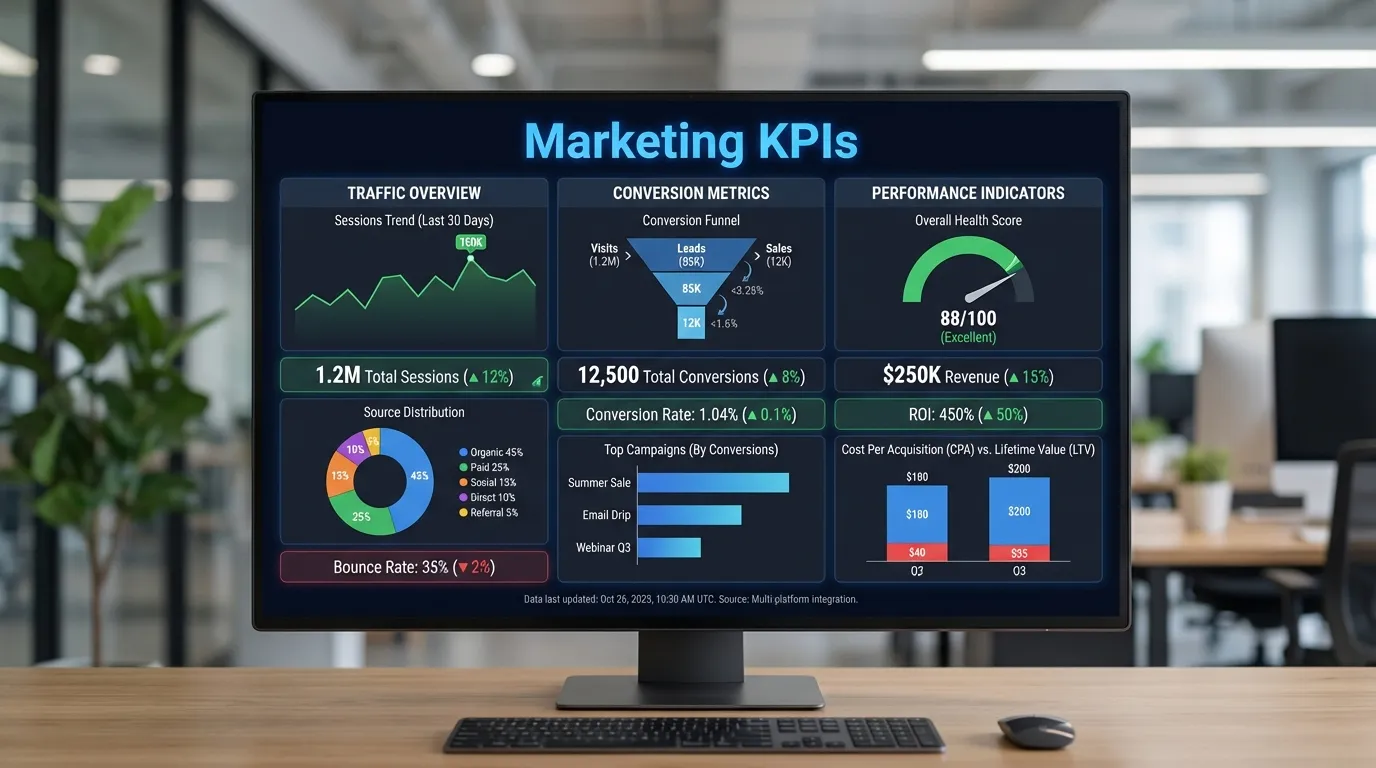
- The Metric: Lead-to-Opportunity Ratio. "Total Leads" is a vanity metric. If you generated 1,000 leads but 0 "Qualified Opportunities," your content is "Too Broad."
- Privacy-First Tracking: Use Server-Side CAPI and "First-Party Identifiers" to track which specific blog post led to the highest-value enterprise lead.