Introduction
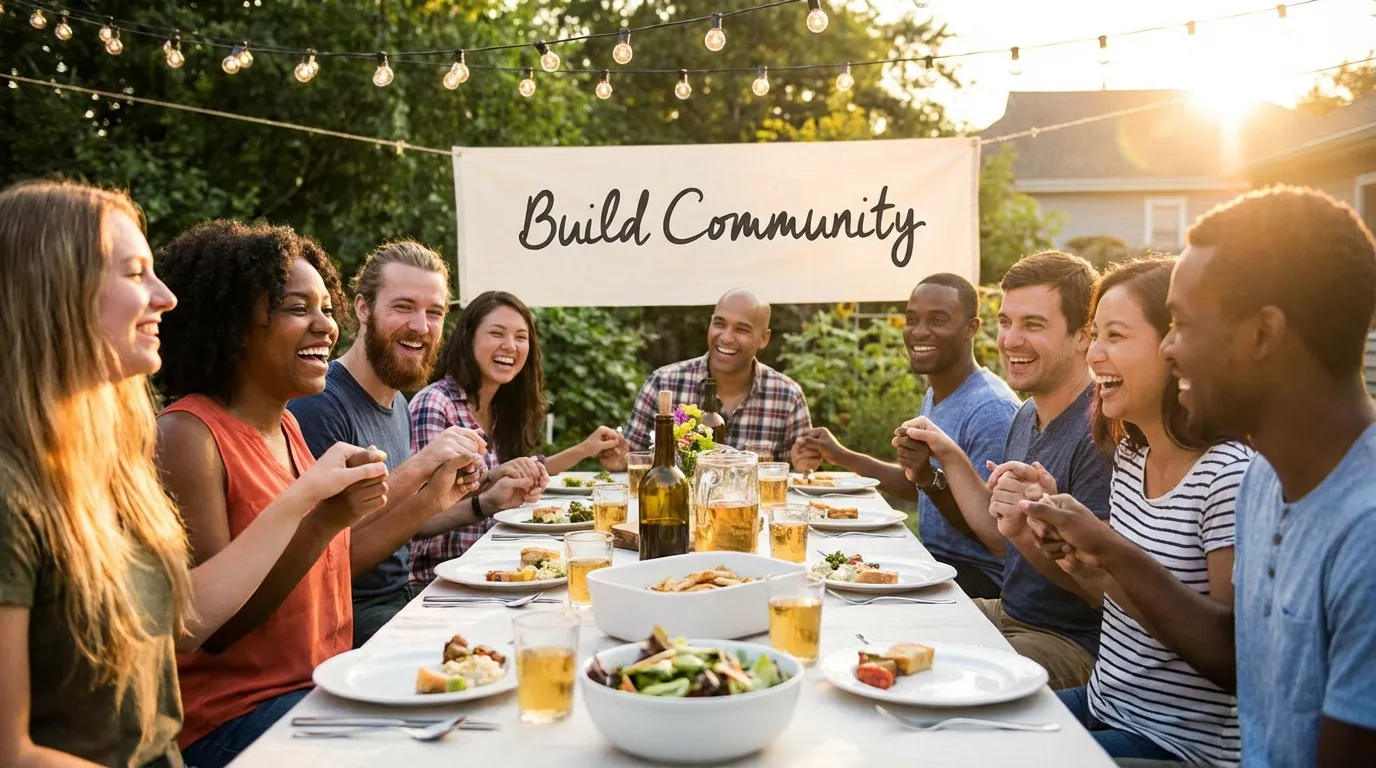
In the hyper-connected, yet increasingly isolated digital landscape of 2026, the most valuable asset a brand can possess is no longer a massive audience, but a deep-seated Community. We have officially moved past the era of "Follower Count" as a metric of success. In a world saturated with AI-generated noise and fleeting viral trends, the definitive competitive advantage for any business is the ability to create a sense of belonging and shared purpose. This is the era of the Community Building Strategy on Social Media.
Community building is the strategic process of transforming passive spectators into active participants who are emotionally invested in your brand's growth and success. While an "Audience" listens to you, a "Community" talks to each other about you. In 2026, where "Word-of-Mouth" is the only truly trusted form of marketing, your ability to "Facilitate Connection" is the definitive line between a commodity and a movement. Whether you are an e-commerce brand, a B2B consultancy, or a non-profit, this guide will provide the master blueprint for building a resilient digital tribe.
In this exhaustive 2,500+ word master guide, we are going to look at the exact mechanics of modern social community. We will explore the transition from "Public" to "Private" spaces (Discord, Telegram, and Private Groups), the psychology of member empowerment, the strategic use of high-engagement virtual events, and the critical importance of AI-assisted moderation. By the end of this read, you will have a Community Building Strategy on Social Media that turns your brand into a thriving, self-sustaining ecosystem of loyal advocates.
Why You Must Master Community Building Strategy on Social Media
The primary reason most brands fail to build community is Ego. They treat their social media like a "Broadcast Tower," sending one-way messages to a crowd. People don't want to be "Talked At"; they want to be "Part Of."
In 2026, the global algorithm is "Community-First." It prioritizes content that generates "Deep Conversations" and "In-App Sharing." Understanding Community Building Strategy on Social Media is about learning how to "Recede" as the only voice in the room, allowing your members to become the primary creators of value. It is the move from "Me-Centric" marketing to "We-Centric" leadership.
Phase 1: From Audience to Community (The Engagement Shift)
The first step in any successful community strategy is a fundamental shift in your Content Mentality.
1. The "Open-Ended" Content Rule
Stop posting "Final Answers." Start asking "Better Questions."
- The Strategy: Instead of sharing "5 Tips for Growth," share a "Vulnerability" (e.g., "We are struggling with [Problem]. How would you solve this if you were in our shoes?").
- The Result: This invites the user into the "Decision-Making" process. They are no longer a "Viewer"; they are a "Partner."
2. Rewarding the "Early Responders" (The VIP Signal)
Community dies in the "Silence."
- The Tactic: In the first 60 minutes after a post, your "Community Manager" must respond to every single meaningful comment with a personalized, multi-sentence reply. Use the user's name. Ask a follow-up question. This "Nurtures" the interaction into a "Thread."
Phase 2: Utilizing Private Groups (The "Inner Circle" Paradox)
Public feeds (FYP, Explore) are for discovery. Private Groups (Facebook Groups, Discord, Slack) are for Retention.
1. The Psychology of the "Gated Space"
When a user joins a private group, they are making a "Commitment." They are saying, "I want to see more of this."
- The Blueprint: Use your public social media (TikTok/IG) as "The Funnel" and your Private Group as "The Destination." Offer "Member-Only" data, early access to products, or direct access to your team.
2. Choosing the Right Platform in 2026
- Facebook Groups: Best for B2C and "Local" communities where users are already active daily.
- Discord/Telegram: Best for high-growth tech, crypto, or professional "Niche" circles that want high-speed, real-time chat.
- WhatsApp Channels: Best for "One-Way" high-priority updates to a massive global audience.
Phase 3: The "Inside-Out" Content Strategy (Empowerment)
A brand that only posts its own content is not a community; it's a "Commercial."
- User-Generated Content (UGC) Spotlight: Every week, feature one of your community members on your main feed. Tell their story, not yours.
- The "Feedback Loop": Openly share how a community member's suggestion led to a specific product update or a change in your business policy. This is the ultimate "High-Trust" signal.
Phase 4: Hosting High-Engagement Virtual Events
In 2026, the "Live" experience is the only way to break through the AI-noise.
- Weekly Live Q&As: Use Instagram Live or YouTube Live to answer the questions your community asked in the comments during the week.
- Visual Workshops: Instead of a generic presentation, do a "Build-In-Public" session. Show the raw behind-the-scenes mistakes. This "Radical Transparency" is the #1 community-bonding agent.
Phase 5: Building a Brand Ambassador Program
Your community is not a flat hierarchy. Different members have different levels of "Commitment."
- The New Member: Needs "Onboarding" and generic value.
- The Passive Supporter: "Saves" and "Likes" occasionally.
- The Active Contributor: Leaves meaningful comments and participates in polls.
- The Superuser (Ambassador): Your "Lieu-tenants." They should be given "Special Access," "Early Samples," and a "Direct Line" to your community manager. They will moderate your groups and defend your brand online for free.
Phase 6: Moderation and Governance in the AI Era
In 2026, community "Safety" is everything. A single toxic member can destroy years of community building in an afternoon.
- AI-Assisted Moderation: Use modern tools to automatically filter out "Bot-Spam," "Toxic Speech," and "Scam Links" in real-time.
- Community Guidelines: Have a "Living Document" that is easily accessible. Community members who violate the "Spirit of Belonging" must be removed immediately. Your community must be a "Psychological Safe Space" to thrive.
Phase 7: Tracking Community ROI (Retention vs. Acquisition)
How do you prove to your CFO that "Being Nice to People" is profitable?
- Retention Rate: Community members should have a 30-50% higher Retention Rate than non-members.
- Customer Lifetime Value (CLV): Track the average spend of a community member vs. a generic social follower. In 2026, "Community-Led Growth" is 4x cheaper than "Ad-Led Growth."