Introduction
You can install the best CI/CD tools.
You can automate deployments.
You can migrate to Kubernetes.
And still fail at DevOps.
Why?
Because DevOps is not just about tools — it is about culture.
The most successful tech companies in the world don’t win because they use a specific pipeline tool. They win because they embrace strong devops culture principles that align development, operations, security, and business goals.
DevOps culture transforms:
- How teams collaborate
- How software is delivered
- How failures are handled
- How innovation happens
In this complete guide, you’ll learn:
- What DevOps culture really means
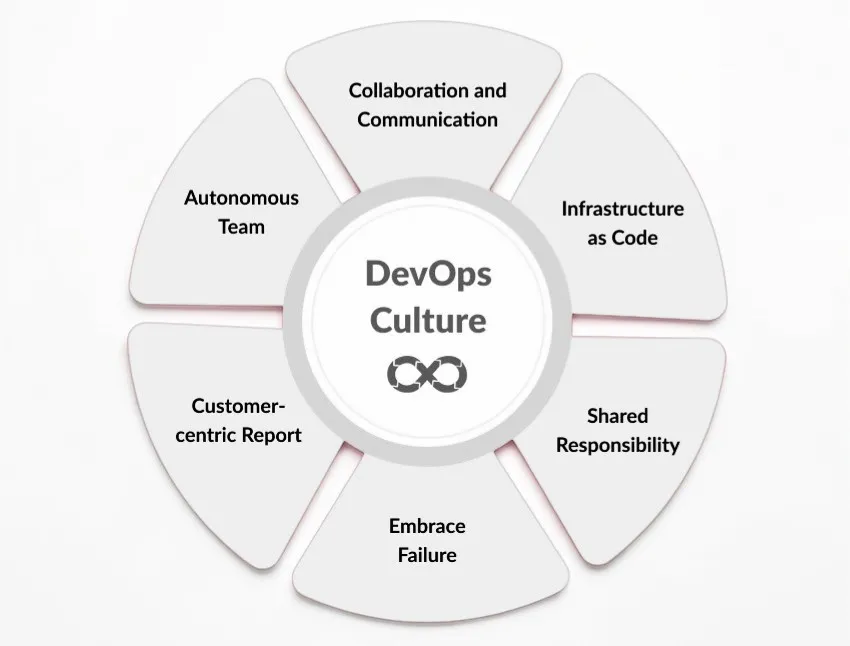
- The key DevOps culture principles
- Real-world examples
- Practical implementation steps
- Common cultural mistakes to avoid
- How to build a high-performance DevOps organization
Whether you’re a student, beginner, or experienced professional, understanding DevOps culture principles is essential for long-term success.
What Is DevOps Culture?
DevOps culture is a set of shared values, practices, and behaviors that enable development and operations teams to collaborate efficiently and deliver software continuously.
It breaks traditional silos between:
- Developers
- Operations teams
- QA engineers
- Security teams
Instead of “throwing code over the wall,” teams work together from idea to production.
DevOps culture is rooted in:
- Collaboration
- Automation
- Continuous improvement
- Shared responsibility
Tools support DevOps — but culture drives it.
Why DevOps Culture Matters More Than Tools
Many organizations adopt CI/CD pipelines but fail to improve delivery speed.
The problem?
They ignore devops culture principles.
Without cultural alignment:
- Teams resist automation
- Blame games increase
- Incidents become political
- Innovation slows
Culture determines whether tools succeed or fail.
Core DevOps Culture Principles
Let’s explore the foundational devops culture principles in depth.
1. Collaboration Over Silos
Breaking Down Traditional Barriers
Historically:
- Developers wrote code
- Operations deployed it
- QA tested it
- Security audited it
Each worked independently.
DevOps eliminates these silos.
Practical Implementation
- Cross-functional teams
- Shared Slack channels
- Joint sprint planning
- Shared on-call rotations
When teams collaborate early, deployment friction reduces dramatically.
2. Shared Responsibility
In DevOps, ownership doesn’t end at “it works on my machine.”
Developers are responsible for:
- Deployment success
- Monitoring feedback
- Production stability
Operations teams participate in:
- Design discussions
- Architecture planning
- Code reviews
Shared responsibility builds accountability.
3. Automation as a Cultural Habit
Automation is not optional in DevOps.
It includes:
- Automated testing
- Infrastructure as Code
- Automated deployments
- Monitoring and alerts
But automation must become a mindset — not just a technical setup.
Example
Instead of manually configuring servers:
Use Infrastructure as Code tools.
Instead of manually testing releases:
Implement automated test pipelines.
Automation reduces human error and increases confidence.
4. Continuous Improvement
DevOps culture embraces constant learning.
After incidents:
- Conduct blameless postmortems
- Identify root causes
- Improve processes
This principle aligns with Kaizen philosophy — small improvements over time.
Continuous improvement prevents repeated failures.
5. Blameless Culture
One of the most powerful devops culture principles is eliminating blame.
When outages happen:
Do not ask, “Who caused this?”
Ask:
- What system failed?
- What process allowed this?
- How can we improve it?
Blameless environments encourage transparency and innovation.
6. Fast Feedback Loops
Feedback must be rapid and continuous.
Sources of feedback:
- Automated tests
- Monitoring dashboards
- Customer analytics
- Code reviews
The faster teams get feedback, the faster they improve.
Short feedback loops reduce risk.
7. Customer-Centric Mindset
DevOps is not about technology.
It is about delivering value to users.
Every deployment should answer:
- Does this improve user experience?
- Does this solve a real problem?
Customer-focused DevOps culture drives meaningful innovation.
DevOps Culture vs Traditional IT Culture
| Traditional IT | DevOps Culture |
|---|---|
| Siloed teams | Cross-functional collaboration |
| Manual deployments | Automated pipelines |
| Blame-focused | Blameless learning |
| Slow release cycles | Continuous delivery |
| Reactive operations | Proactive monitoring |
The difference is not technical — it is cultural.
Real-World Example of DevOps Culture
Imagine two companies:
Company A
- Dev writes code
- Ops deploys manually
- Security reviews later
- Releases once per quarter
Frequent delays and conflicts occur.
Company B
- Shared responsibility
- Automated testing
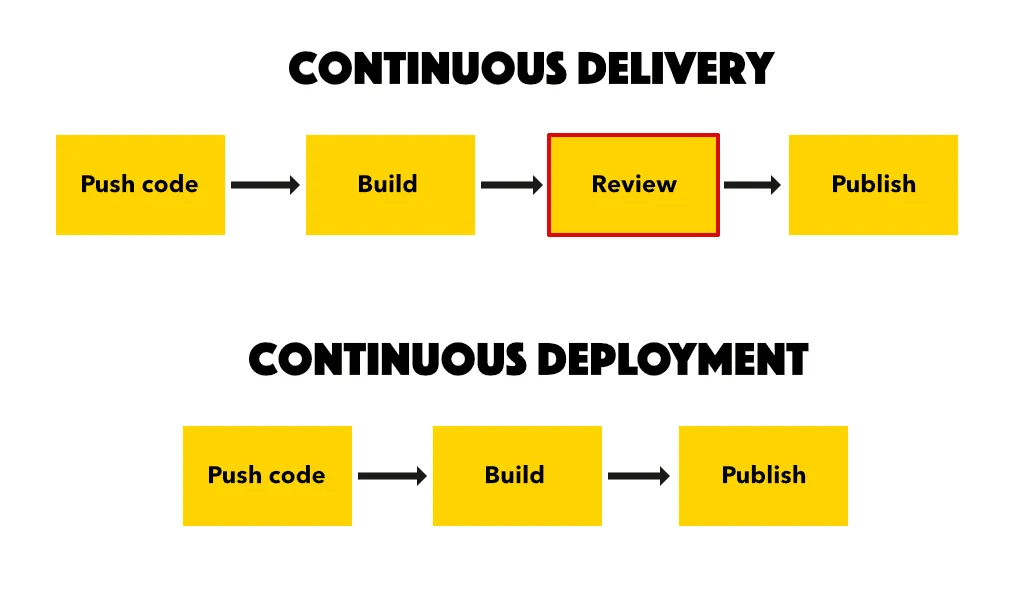
- Continuous deployment
- Blameless postmortems
They release weekly with higher stability.
The difference? DevOps culture principles.
How to Build DevOps Culture in Your Organization
Step 1: Leadership Alignment
Culture starts at the top.
Leadership must:
- Support collaboration
- Encourage experimentation
- Reward learning
Without leadership buy-in, cultural change fails.
Step 2: Start Small
Do not attempt organization-wide transformation immediately.
Begin with:
- One cross-functional team
- One CI/CD pipeline
- One shared monitoring system
Scale gradually.
Step 3: Implement Blameless Postmortems
After incidents:
- Focus on systems, not individuals
- Document learnings
- Share improvements
This builds trust.
Step 4: Invest in Automation
Automate repetitive tasks.
Measure:
- Deployment frequency
- Lead time for changes
- Mean time to recovery
Metrics support cultural growth.
Step 5: Encourage Knowledge Sharing
Use:
- Internal documentation
- Brown bag sessions
- Technical workshops
DevOps thrives on shared knowledge.
Measuring DevOps Culture Success
Cultural success can be measured using DORA metrics:
- Deployment frequency
- Lead time for changes
- Change failure rate
- Mean time to recovery
High-performing teams excel in these metrics.
Common DevOps Culture Mistakes
Avoid these pitfalls:
- Adopting tools without cultural change
- Ignoring communication issues
- Punishing failure
- Failing to measure outcomes
- Over-automating without alignment
Culture must evolve with clarity and intention.
DevOps Culture and Psychological Safety
Psychological safety allows team members to:
- Share ideas freely
- Admit mistakes
- Ask questions
Without safety, innovation stops.
DevOps culture principles emphasize trust.
DevOps Culture in the AI Era
As AI tools assist development:
- Automation increases
- Feedback accelerates
- Monitoring becomes predictive
But cultural foundations remain essential.
AI cannot replace collaboration or accountability.
The Future of DevOps Culture
In 2026 and beyond:
- DevSecOps integration grows
- Platform engineering emerges
- AI-driven operations expand
However, devops culture principles remain constant:
Collaboration. Automation. Learning. Trust.
Short Summary
DevOps culture is the foundation of successful software delivery. Core devops culture principles include collaboration, shared responsibility, automation, continuous improvement, blameless practices, fast feedback loops, and customer focus.
Strong Conclusion
DevOps is not a toolchain.
It is a mindset.
Organizations that embrace devops culture principles outperform competitors because they:
- Deliver faster
- Recover quicker
- Innovate continuously
- Collaborate effectively
Technology evolves.
Culture determines success.
If you want true DevOps transformation, start with people — not pipelines.
Frequently Asked Questions
They include collaboration, shared responsibility, automation, continuous improvement, blameless culture, and fast feedback loops.