(Main Keyword: containers in devops)
Introduction: Why Containers Changed DevOps Forever
Imagine building an application on your laptop that works perfectly — but when you deploy it to production, it crashes. Different OS versions, missing dependencies, conflicting libraries… sound familiar?
This problem haunted developers for years.
Then came containers.
Today, containers in devops are not just a helpful tool — they are a foundational technology powering cloud-native applications, CI/CD pipelines, microservices architectures, and scalable production systems.
Containers solve the classic “it works on my machine” problem while enabling:
- Consistent environments
- Faster deployments
- Improved scalability
- Efficient resource utilization
- Better collaboration between Dev and Ops
In this comprehensive guide, we’ll explore:
- What containers are
- Why containers in devops matter
- How they integrate into CI/CD
- Real-world use cases
- Benefits and challenges
- Best practices for implementation
If you want to understand modern DevOps, you must understand containers.
What Are Containers?
A container is a lightweight, portable unit that packages:
- Application code
- Runtime
- Dependencies
- System libraries
- Configuration
All bundled together.
Unlike virtual machines, containers share the host OS kernel, making them faster, more lightweight, and more efficient.
This is why containers in devops have become essential for modern infrastructure.
Why Containers Are Essential in DevOps
DevOps focuses on automation, continuous integration, continuous delivery, scalability, and collaboration.
Containers align perfectly with these goals.
1 Environment Consistency
Containers ensure development equals testing equals production.
2 Faster Deployment Cycles
Containers start in seconds, accelerating CI/CD pipelines.
3 Scalability and Microservices
Each service runs independently inside its own container.
Containers vs Virtual Machines
Containers start faster, use fewer resources, and provide better portability compared to traditional virtual machines.
How Containers Fit into the DevOps Lifecycle
During Development
Developers build container images and test locally.
During CI/CD
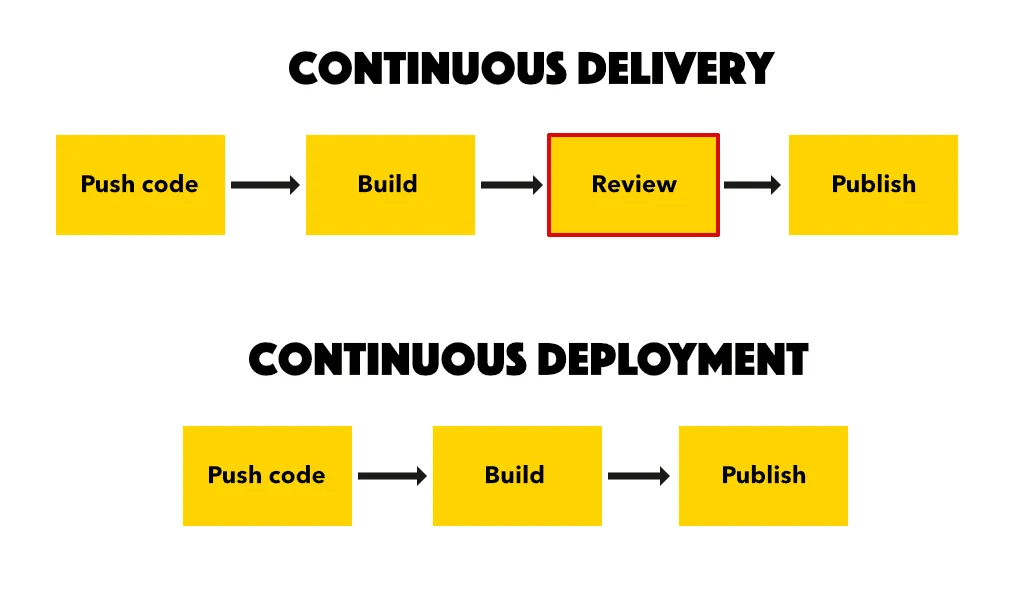
Pipelines build images, run tests, and deploy automatically.
During Production
Containers enable scaling, load balancing, and self-healing.
Real-World Example
An e-commerce company reduced deployment time and improved scalability after adopting containers in devops.
Key Benefits
- Portability
- Faster pipelines
- Resource efficiency
- Better isolation
- Version control
Containers and Microservices Architecture
Containers make microservices manageable by isolating services and enabling independent scaling.
Container Orchestration
Orchestration tools handle scheduling, scaling, networking, and self-healing of containers.
Step-by-Step Implementation
- Create Dockerfile
- Build image
- Push to registry
- Integrate into CI/CD
- Monitor and scale
Security Considerations
- Use minimal base images
- Scan images
- Avoid running as root
- Manage secrets properly
Challenges
- Networking complexity
- Storage management
- Security risks
- Learning curve
Best Practices
- Keep images small
- Use multi-stage builds
- Tag images properly
- Monitor performance
- Automate processes
Short Summary
Containers in devops enable consistent environments, faster deployments, and scalable microservices.
Conclusion
Containers power modern DevOps by providing speed, reliability, and scalability across environments.
FAQs
What are containers in DevOps?
Lightweight portable environments packaging applications and dependencies.
Why are containers important?
They improve consistency and accelerate CI/CD.
Are containers better than VMs?
For cloud-native workloads, yes.
Are containers secure?
They are secure if best practices are followed.