(Main Keyword: devOps strategy for startups)
Introduction: Why DevOps Can Make or Break a Startup
Startups operate in a high-pressure environment. Limited resources, tight deadlines, evolving product requirements, and constant competition define everyday reality. In such conditions, speed and reliability are not luxuries—they are survival factors.
This is where a strong devOps strategy for startups becomes a game-changer.
Unlike large enterprises, startups cannot afford:
- Long release cycles
- Frequent downtime
- Manual infrastructure management
- Poor collaboration between developers and operations
They need lean, automated, and scalable systems from day one.
In this comprehensive guide, you will learn:
- Why DevOps is essential for startups
- Step-by-step DevOps implementation strategy
- Tools and workflows that work best for small teams
- Cost-efficient automation techniques
- Real-world examples
- Mistakes to avoid
If you are building or working in a startup, understanding the right devOps strategy for startups can significantly improve product delivery, customer experience, and growth potential.
Why Startups Need DevOps from Day One
Many founders believe DevOps is something to implement later, once the product grows.
That approach is risky.
Here’s why DevOps matters early:
1. Faster Time to Market
Startups must release features quickly to:
- Validate ideas
- Collect user feedback
- Pivot if needed
DevOps enables:
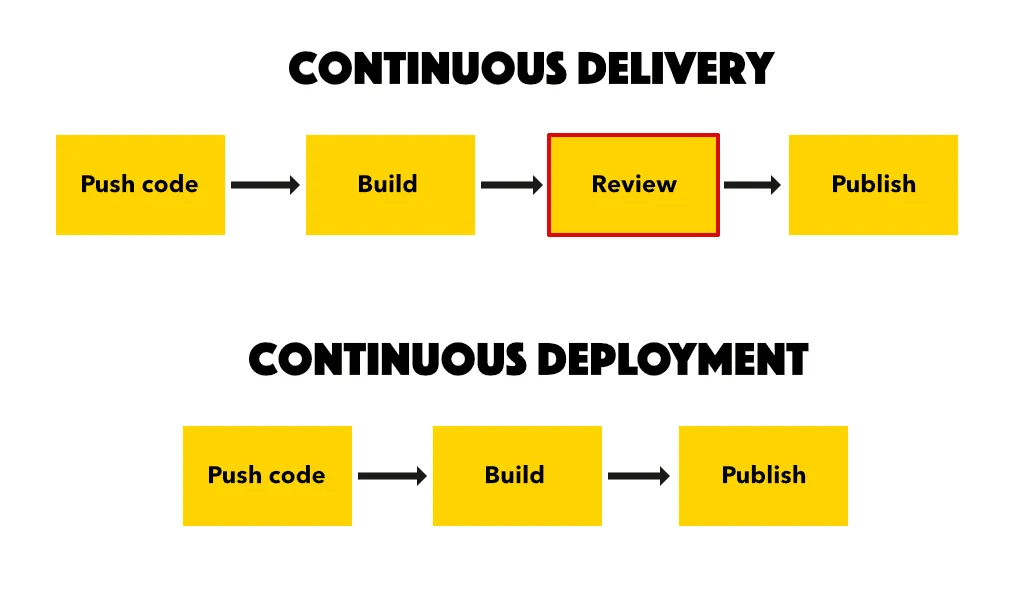
- Continuous Integration
- Continuous Delivery
- Automated deployments
Speed becomes consistent—not chaotic.
2. Reduced Operational Costs
Manual processes cost time and money.
Automation reduces:
- Human errors
- Downtime
- Maintenance overhead
For startups with limited budgets, efficiency is crucial.
3. Scalability for Growth
If your product suddenly gains traction, can your infrastructure handle it?
A proper devOps strategy for startups ensures:
- Auto-scaling
- Cloud-ready infrastructure
- Monitoring systems
Prepared startups scale smoothly.
Core Components of a DevOps Strategy for Startups
Let’s break down the essential pillars.
1. Cloud-First Infrastructure
Startups should avoid heavy on-premise setups.
Cloud platforms provide:
- Pay-as-you-go pricing
- Instant provisioning
- Global scalability
Cloud aligns perfectly with agile startup culture.
2. Continuous Integration and Continuous Delivery
CI/CD pipelines automate:
- Code builds
- Testing
- Deployment
This ensures every feature release is stable and reliable.
3. Infrastructure as Code
Using Infrastructure as Code allows startups to:
- Version-control infrastructure
- Reproduce environments
- Avoid configuration drift
Automation reduces complexity.
4. Monitoring and Observability
Without monitoring, problems go unnoticed.
Implement:
- Application monitoring
- Log aggregation
- Performance alerts
Early detection prevents major failures.
Step-by-Step DevOps Strategy for Startups
Now let’s build a practical roadmap.
Step 1: Establish Version Control Best Practices
Everything starts with Git.
Startups should:
- Use feature branches
- Implement pull requests
- Conduct code reviews
- Merge frequently
This builds collaboration from the beginning.
Step 2: Automate Builds and Tests
Set up CI pipelines that:
- Install dependencies
- Run automated tests
- Generate build artifacts
Automation ensures code quality remains consistent.
Step 3: Implement Continuous Deployment
Deploy automatically to:
- Staging environments
- Production environments after approval
Faster releases mean faster feedback.
Step 4: Adopt Containerization
Containers offer:
- Environment consistency
- Easy deployment
- Improved scalability
This simplifies infrastructure management.
Step 5: Enable Monitoring and Alerts
Track:
- CPU usage
- Memory utilization
- API response time
- Error rates
Startup teams can react quickly to issues.
Real-World Example
A SaaS startup built its MVP using manual deployment processes.
Challenges included:
- Weekend deployments
- Frequent downtime
- Unpredictable bugs
After implementing a structured devOps strategy for startups:
- CI/CD pipelines reduced deployment time by 70 percent
- Auto-scaling handled traffic spikes
- Monitoring alerts prevented outages
The result: improved customer retention and investor confidence.
Cost-Effective DevOps Tools for Startups
Startups must balance performance and budget.
CI/CD Tools
- GitHub Actions
- GitLab CI
- Bitbucket Pipelines
Free tiers often cover early-stage needs.
Cloud Providers
- AWS Free Tier
- Azure Startup Credits
- Google Cloud Startup Program
Cloud credits significantly reduce costs.
Monitoring Tools
- Cloud-native monitoring services
- Open-source tools
Start simple and expand as needed.
Common DevOps Mistakes Startups Should Avoid
Even well-intentioned teams make errors.
1. Overengineering Early
Avoid complex microservices too soon.
Start simple.
2. Ignoring Security
Security must be integrated from day one.
Implement:
- Role-based access
- Secret management
- Secure pipelines
3. Manual Deployments
Manual processes slow growth.
Automate early.
4. Lack of Documentation
Clear documentation ensures smooth onboarding and collaboration.
Best Practices for a Successful DevOps Culture
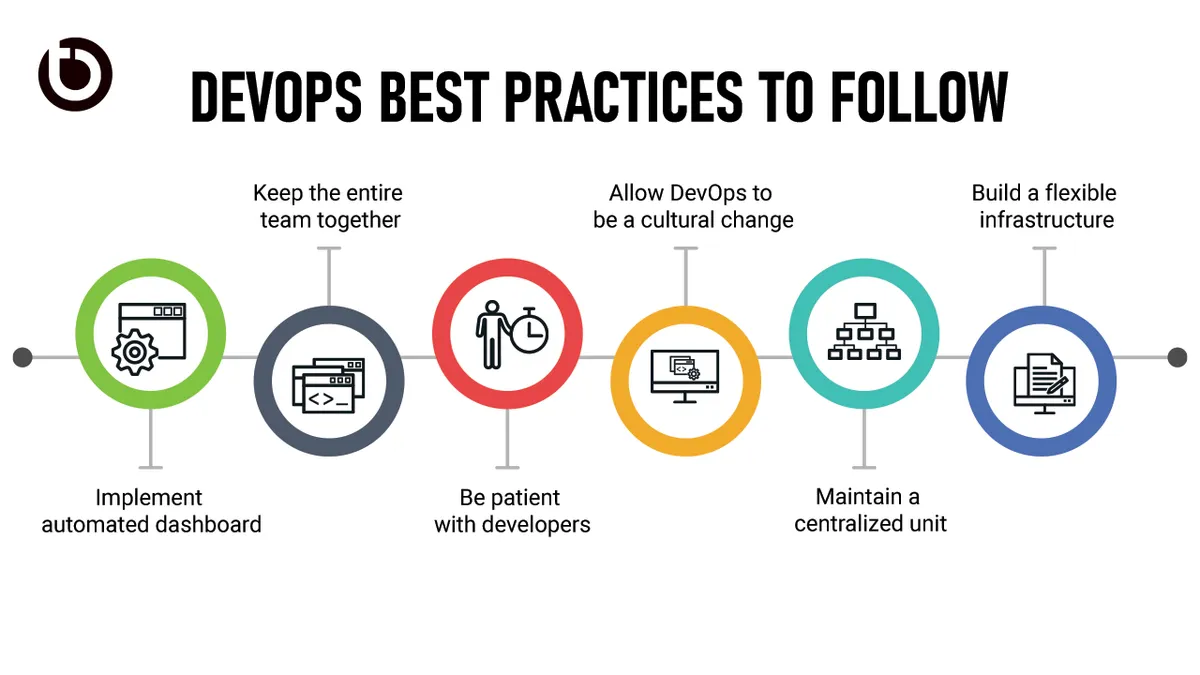
DevOps is not just about tools—it is about mindset.
1. Encourage Collaboration
Developers and operations should communicate openly.
Shared responsibility improves results.
2. Focus on Automation
Automate repetitive tasks.
Free up time for innovation.
3. Measure Key Metrics
Track:
- Deployment frequency
- Lead time
- Change failure rate
- System uptime
Data-driven decisions improve performance.
4. Start Small and Improve Continuously
Adopt incremental improvements.
Continuous optimization ensures sustainability.
Scaling DevOps as the Startup Grows
As your startup scales:
- Refine CI/CD pipelines
- Implement advanced monitoring
- Introduce DevSecOps
- Optimize cloud cost management
DevOps must evolve alongside business growth.
Benefits of a Strong DevOps Strategy for Startups
When implemented correctly, devOps strategy for startups delivers:
- Faster product iteration
- Higher reliability
- Improved team productivity
- Better investor confidence
- Enhanced user experience
DevOps becomes a competitive advantage.
Short Summary
Startups need speed, scalability, and efficiency.
A structured devOps strategy for startups includes:
- Cloud-first approach
- CI/CD automation
- Infrastructure as Code
- Containerization
- Continuous monitoring
Implementing DevOps early reduces costs, improves stability, and accelerates growth.
Conclusion: DevOps Is a Growth Engine for Startups
In the startup world, survival depends on execution speed and product reliability.
DevOps provides:
- Automation
- Scalability
- Collaboration
- Continuous improvement
Without DevOps, growth becomes fragile.
With DevOps, growth becomes sustainable.
If you are building a startup, start small but start smart. Implement automation early. Use cloud infrastructure. Monitor everything. Continuously improve.
A powerful devOps strategy for startups is not optional—it is foundational for long-term success.
FAQs
What is the best DevOps strategy for startups?
The best devOps strategy for startups focuses on cloud-first infrastructure, CI/CD automation, Infrastructure as Code, and continuous monitoring.
When should startups implement DevOps?
Startups should implement DevOps from the MVP stage to ensure scalability and stability.
Is DevOps expensive for startups?
No. Many tools offer free tiers and startup credits, making DevOps affordable and cost-efficient.
Can small teams manage DevOps?
Yes. Automation reduces workload, enabling small teams to manage deployments effectively.
How does DevOps help startups scale?
DevOps enables automated deployments, auto-scaling infrastructure, and monitoring, ensuring smooth growth without service disruption.