Introduction
In the hyper-competitive digital landscape of 2026, the success of a marketing campaign is no longer determined by a single "Buy Now" click. The journey from a first-time visitor to a loyal customer is a complex, multi-stage marathon built on dozens of microscopic moments of trust. This is the definitive Micro Conversions Strategy for Better Results master guide, designed to help you move beyond "Macro-Obssession" and start optimizing the critical, small-scale actions that serve as the fundamental building blocks of revenue. In 2026, if you aren't winning the "Micro-Moments," you will never secure the "Macro-Sale."
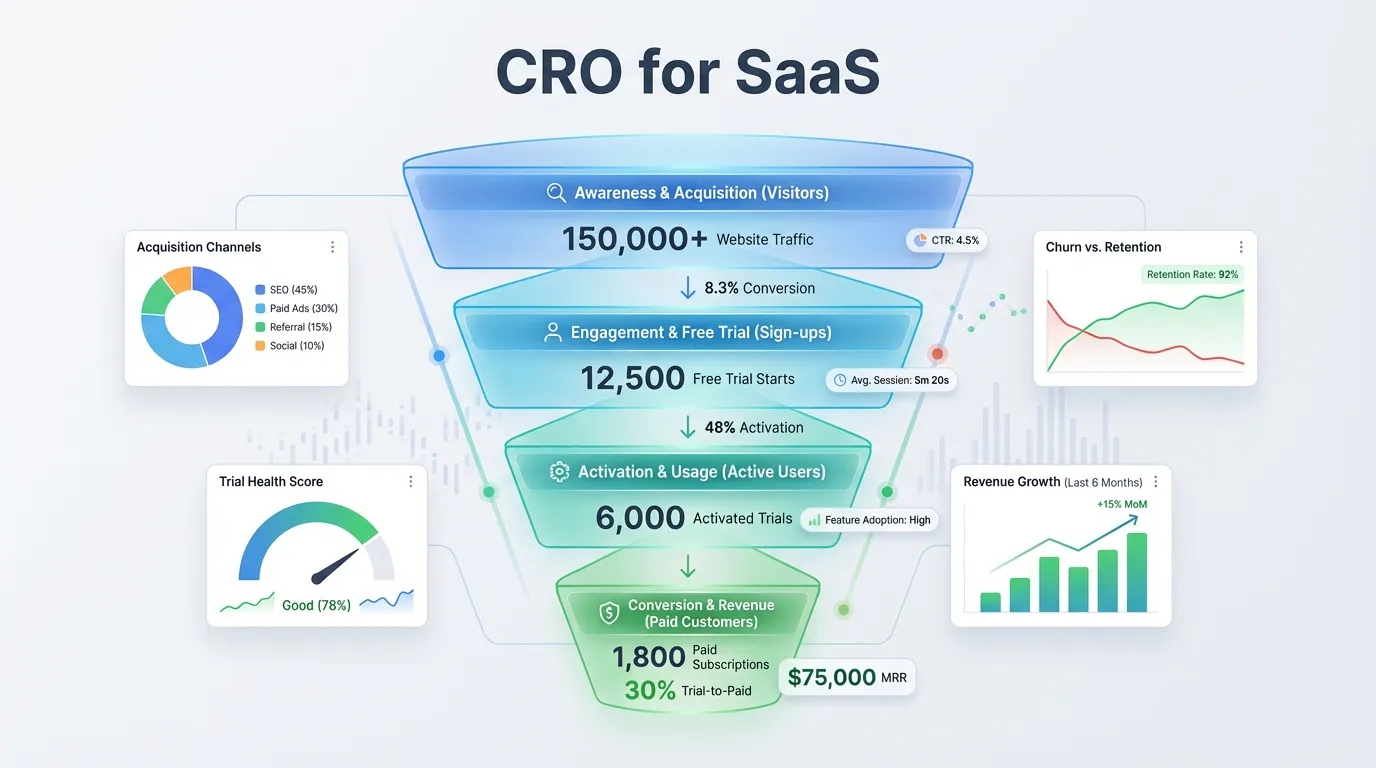
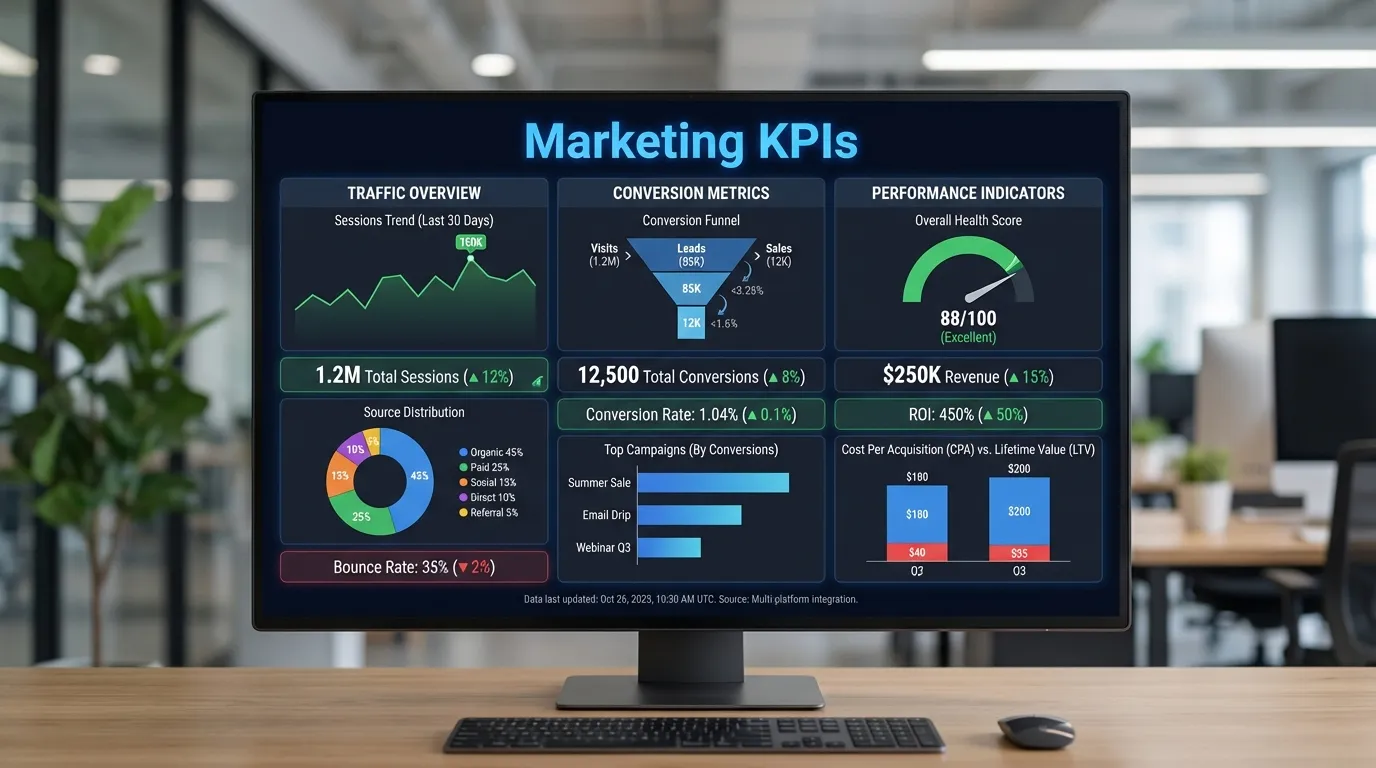
A micro-conversion is any small step a user takes toward your ultimate goal—be it a newsletter signup, a video view, a visit to the pricing page, or even a specific amount of time spent reading a technical guide. While these actions don't result in immediate revenue, they are the primary indicators of "User Intent" and the only true way to measure the "Health" of your marketing funnel. By systematically identifying and optimizing these micro-steps, you can identify precisely where your funnel is leaking and recover high-value leads before they bounce.
In this exhaustive 2,500+ word master guide, we will aggressively deconstruct the framework of a global-class Micro Conversions Strategy for Better Results. We will explore the psychology behind "Micro-Committment," the categorization of different micro-conversion types, the technical implementation of "Micro-Tracking," and the strategic alignment of these small wins with your long-term business objectives. By the end of this read, you will possess a repeatable, data-driven blueprint for building a high-velocity conversion engine that scale your business with mathematical precision.
Why You Must Master Micro Conversions Strategy for Better Results Right Now
In 2026, "Macro-Conversions" are the result; "Micro-Conversions" are the engine.
By implementing a rigorous Micro Conversions Strategy for Better Results, you are achieving:
- Deeper Funnel Intelligence: You will know exactly which stages of your customer journey are thriving and which are failing.
- Increased Conversion Probability: Psychological "Micro-Commitments" make a user feel more invested in your brand. Every time they take a small action, their perceived risk of the "Main Purchase" decreases.
- Superior Audience Segmentation: Micro-conversions provide the behavioral data needed to create "Hyper-Targeted" retargeting campaigns. A user who watched 90% of your demo video is a completely different lead than someone who just viewed your homepage.
Phase 1: The Psychology of Micro-Conversions (2026 Standards)
Humans are naturally "Commitment-Phobic." Micro-conversions allow you to overcome this by using the "Slippery Slope" technique.
1. The Principle of Gradual Investment
In 2026, asking for a $5,000 sale on the first visit is a waste of time.
- The Strategy: Ask for a 2-second action first (e.g., "Take a 10-second quiz to see your score").
- The Psychology: Once a user invest even a small amount of time or effort, their "Sunk Cost" bias begins to engage, making them much more likely to complete the next, larger step.
2. Micro-Conversions as "Trust Benchmarks"
Every micro-conversion is a "Validation" of your brand's authority.
- The Move: Identify the "Friction Thresholds." If users are happy to sign up for your newsletter but refuse to download your whitepaper, you have a "Value-Exchange" problem at the whitepaper stage.
Phase 2: Identifying the "Friction Points" in the Journey
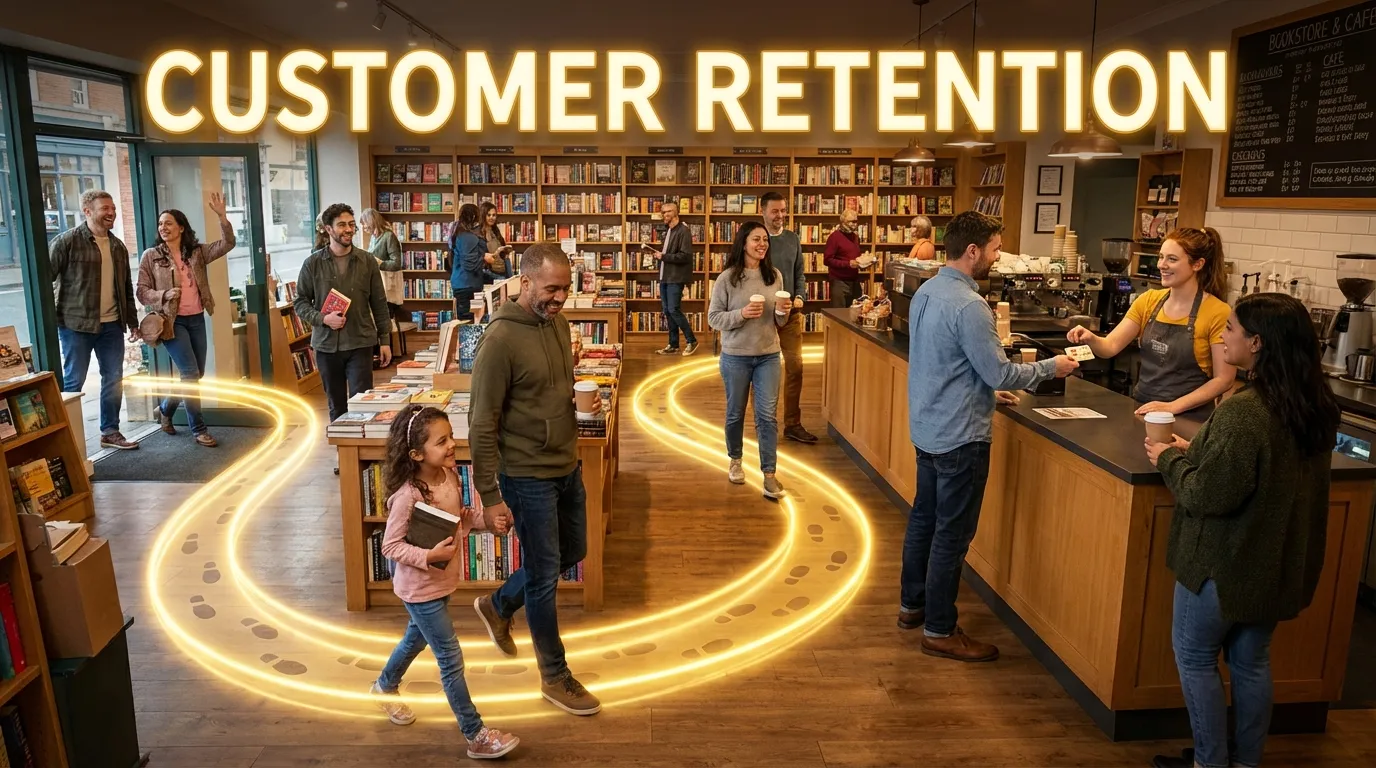
You cannot optimize what you haven't mapped. You must visualize the entire "Trail of Breadcrumbs" leading to the sale.
1. The "Path of Action" Map
Map out every possible interaction a user can have with your site:
- Awareness Micro-Conversions: Reading a blog post, watching a 30-second video, visiting the "About Us" page.
- Consideration Micro-Conversions: Using a calculator tool, clicking a "Case Study" link, signing up for a webinar.
- Decision Micro-Conversions: Visiting the "Pricing" page, clicking the "Compare Plans" table, adding an item to the cart.
2. Identifying "Dead-End" micro-conversions
- The Audit: Look for actions that users take frequently but that never lead to a sale.
- The Fix: If 1,000 people enter your "Free Tool" but 0% buy the main product, you need to tighten the "Continuity" between the tool and the offer.
Phase 3: Categorizing Micro-Conversions (Cognitive vs. Technical)
In 2026, not all micro-conversions are created equal. You must distinguish between "Activity" and "Intent."
1. "Engagement" Micro-Conversions
These show interest but not necessarily intent.
- Examples: Social media likes, 50% scroll depth on a blog, clicking to see "More Images."
- How to Use: Use these to measure the quality of your content and your general brand "Vibe."
2. "Intent" Micro-Conversions
These are the "High-Intensity" signals that indicate a user is actively solving a problem.
- Examples: Viewing the "Returns Policy," checking "Shipping Rates," or spending 5+ minutes on a "How it Works" page.
- How to Use: These should trigger your most aggressive retargeting and automated email follow-ups.
Phase 4: Tracking the "Micro-Signals" of Intent
To execute a Micro Conversions Strategy for Better Results, you need technical precision in your analytics.
1. Advanced GA4 Event Tracking
Stop tracking "Page Views" and start tracking "Interactions."
- The Move: Set up custom event parameters for "Video Milestones" (25%, 50%, 75%, 100%) and "Form Engagement" (which fields they started but didn't finish).
- The Benefit: This data allows you to see the "Micro-Abandons" that are invisible in standard reporting.
2. Heatmapping and Click-Maps
- The Strategy: Use heatmapping software (Hotjar/Clarity) to see where users are "Micro-Clicking."
- The Result: If users are consistently clicking a non-linked image of a feature, it signals a "Micro-Desire" for more information on that specific feature.
Phase 5: Optimizing the "Small Wins" for Massive Gains
The goal of this phase is to move the user from one micro-step to the next with "Zero Resistance."
1. Reducing "Decision Fatigue" in Micro-steps
Don't ask for "Email and Name and Company" for a simple newsletter.
- The Optimization: Use "Single-Field" signups. The faster they finish the micro-conversion, the faster they can move to the next stage.
2. The "Micro-Reward" Strategy
- The Move: Immediately after a micro-conversion (e.g., a newsletter signup), give the user a "Surprise Bonus" (a 5-minute video, a secret template, or a micro-discount).
- The Result: This positive reinforcement conditions the user to take further actions in your funnel.
Phase 6: Case Studies: From Micro-Click to Macro-Sale
Let's look at how this strategy works in the high-stakes B2B and E-commerce environments.
1. Case Study: The "Calculator" Funnel
A SaaS company found that users who used their "ROI Calculator" were 8x more likely to convert than standard blog readers.
- The Optimization: They moved the calculator from a hidden sub-page to the primary "Hero Section" of the homepage.
- The Result: Total revenue increased by 22% by focusing on the highest-value micro-conversion.
2. Case Study: "Add to Cart" as a Signal, Not Just a Step
An e-commerce brand treated every "Add to Cart" that didn't result in a sale as a "High-Priority Micro-Lead."
- The Strategy: Instead of just a generic email, they sent a personal "SMS Support Offer" to everyone who added over $500 to their cart but left.
- The Result: They recovered 15% of previously lost high-value revenue.