Landing Page vs. Website: Which One Converts Better?
Introduction
Imagine this: You launch a marketing campaign, run ads, and drive traffic—but your conversions stay low. Sounds familiar? The problem often comes down to one thing: sending people to the wrong destination. That’s where the debate of landing page vs website becomes essential.
Should you drive users to a website with multiple pages and navigation options?
Or should you send them to a highly focused landing page with one goal and no distractions?
In this guide, you’ll discover the key differences, advantages, disadvantages, real examples, and conversion strategies to help you choose the right option. By the end, you’ll know exactly when to use a landing page, when a website works better, and how both can work together to maximize conversions.
Let's dive in.
What Is a Landing Page?
A Simple Definition
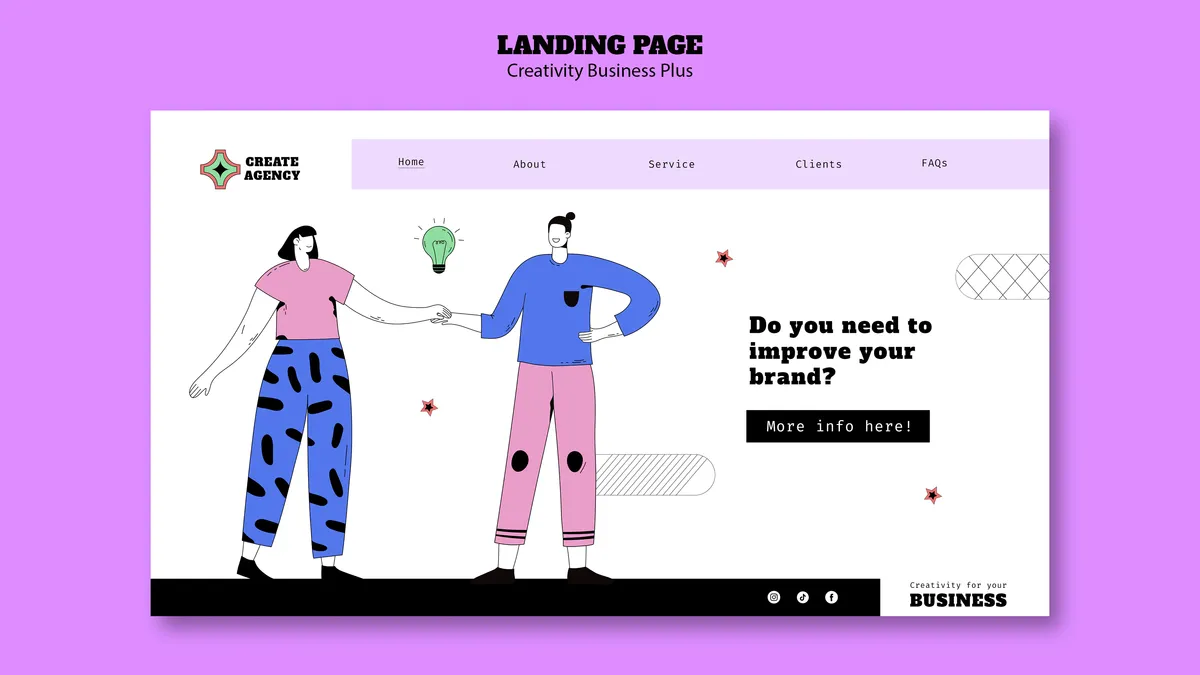
A landing page is a single, standalone web page created specifically for a marketing campaign. Its purpose is singular: convert visitors into leads or customers.
Landing pages remove distractions like menus, multiple links, and long navigation paths. Instead, they guide users toward one clear action (CTA).
Common Goals of Landing Pages
- Collect leads
- Sell a specific product
- Promote an event or webinar
- Capture email signups
- Download eBooks, PDFs, or tools
- Offer discounts or promo codes
Examples of Landing Page CTAs
- “Buy Now”
- “Register for the Webinar”
- “Download Free Guide”
- “Get 30% Off Today”
Landing pages convert because they eliminate choice paralysis and focus the visitor’s attention.
What Is a Website?
A Broader Digital Home for Your Brand
A website is a multi-page digital platform designed to provide comprehensive information about your business. It includes:
- Homepage
- About page
- Services
- Products
- Blog
- Contact page
- Navigation menus
- Branding elements
Main Purpose of a Website
- Build trust
- Showcase brand identity
- Provide detailed information
- Support SEO
- Educate customers
- Serve as the foundation for all digital marketing channels
Websites are essential for long-term online presence.
Landing Page vs Website: Key Differences
1. Purpose
Landing Page
- Converts traffic quickly
- Focuses on one goal
Website
- Educates and informs
- Builds brand authority
- Supports long-term strategy
2. Structure
Landing Page
- One page
- No navbar
- Minimal links
- Funnel-focused
Website
- Multiple pages
- Full navigation
- Internal linking
- User-friendly browsing
3. Traffic Source
Landing Page
- Paid ads
- Social media ads
- Email campaigns
- Influencer promotions
Website
- Organic traffic (SEO)
- Direct visitors
- Referral traffic
- Long-term visitors
4. Conversion Rate
Landing Page
Often higher because:
- Fewer distractions
- Strong CTAs
- Targeted messaging
Average landing page conversion rate: 10–30%
Website
Typically lower, because of:
- User exploration
- Multiple navigation options
Average website conversion rate: 1–3%
5. Ideal Use Cases
When to Use a Landing Page
- Running ads
- Selling one product
- Promoting events
- Lead generation
- New product launch
- E-book downloads
When to Use a Website
- Showcasing your brand
- Building trust
- Providing details
- Improving Google SEO
- Offering multiple services
- Blogging
Landing Page vs Website: Which One Converts Better?
Short answer: Landing pages almost always convert better—when used for specific campaigns.
Here’s why:
Why Landing Pages Convert Higher
1. Laser-Focused Messages
Messaging is tailored to the visitor’s intent.
Example:
An ad for “Yoga for Beginners Course” → lands on “Yoga for Beginners Page,” NOT the homepage.
2. No Distractions
No menus
No 10-page website
No blog links
Only ONE action.
3. Highly Optimized
Elements like:
- Headlines
- CTA buttons
- Social proof
- Trust badges
are all optimized for conversions.
Why Websites Convert Lower
Websites are built for exploration, not immediate action.
Visitors may:
- Read blogs
- Explore menus
- Browse multiple pages
- Leave without converting
Websites help build trust, but conversions are indirect.
Landing Page vs Website: Real-World Example
Scenario: Fitness Coach Selling a Course
Option A — Sending Traffic to Website
User lands on homepage
↓
Clicks fitness programs
↓
Scrolls
↓
Reads testimonials
↓
Maybe fills a form
Conversion Rate: ~2%
Option B — Sending Traffic to Landing Page
User lands on “30-Day Fitness Challenge” landing page
↓
Sees benefits
↓
Sees video demo
↓
CTA: “Enroll Now – Limited Spots”
Conversion Rate: ~18%
Winner: Landing Page
Benefits of Landing Pages
1. Higher Conversion Rates
Because they focus on one goal.
2. Better Ad Relevance
Ads + landing pages match perfectly.
3. Easy to Track and Optimize
Every scroll, click, and view can be tracked precisely.
4. Perfect for A/B Testing
You can test:
- Headlines
- CTAs
- Colors
- Images
- Pricing
5. Faster, Cheaper, Simpler
No need for a full website—just one optimized page.
Benefits of a Website
1. Builds Credibility
Businesses without websites often lose trust.
2. Supports SEO
Websites rank on Google; landing pages rarely do.
3. Helps Customers Understand Your Brand
People research before buying.
4. Essential for Long-Term Growth
A landing page alone cannot scale a business.
5. Helps Across All Marketing Channels
- Organic traffic
- Partnerships
- Blogging
- Press mentions
Should You Use Both? (Yes!)
The best strategy is to use landing pages AND websites together.
Here’s the ideal setup:
- Use your website as your brand hub
- Use landing pages for campaigns
Example workflow:
- Instagram ad → Landing page → Checkout
- Google search → Website → Blog → Contact
- Email campaign → Landing page → Lead capture
This hybrid strategy gives you:
- Conversions
- Trust
- SEO
- Brand strength
Best of both worlds.
How to Build a High-Converting Landing Page (Step-by-Step)
1. Start with a Clear Goal
Examples:
- Signups
- Sales
- Downloads
- Bookings
2. Write a Powerful Headline
Your headline should answer: “What will I get?”
3. Add Strong Visuals
Show benefits visually
Use product demos or hero images
4. Keep the Copy Short and Persuasive
Use:
- Bullet points
- Short paragraphs
- Benefit-focused writing
5. Add Trust Elements
- Reviews
- Testimonials
- Case studies
- Trust badges
6. Use a Bold CTA
Example:
“Get Instant Access”
“Start Your Free Trial”
7. Remove Distractions
NO:
- Menus
- Footers
- Sidebars
8. Test and Improve
Run A/B tests to see what converts best.
How to Improve Website Conversions
1. Improve UX
Fast loading
Simple design
Mobile optimized
2. Add Clear Navigation
Help visitors move between pages easily.
3. Add Lead Magnets
Free ebooks
Discount coupons
Checklists
4. Add CTAs Across Website
Blog → CTA
Homepage → CTA
Services → CTA
5. Use SEO to Bring High-Intent Users
Optimize pages for:
- “buy now”
- “best product”
- “near me”
Short Summary
This guide explained the full comparison of landing page vs website, including their purposes, conversions, benefits, use cases, and step-by-step strategies. Landing pages convert better for specific campaigns, while websites are essential for long-term branding and SEO. Using both together creates the strongest digital marketing strategy.
Conclusion
So, which one converts better—landing page or website?
If your goal is immediate conversions, sales, or lead generation, landing pages win every time.
If your goal is credibility, SEO, branding, and long-term growth, websites are essential.
The smartest digital marketers don’t choose one—they use both strategically.
Landing pages bring fast conversions.
Websites build trust and long-term success.
Together, they create unstoppable growth.