Introduction
In the hyper-calculated digital economy of 2026, the success of your business isn't determined by the "Quality of your product"—it is determined by the "Efficiency of your acquisition." As ad platforms become more automated and the cost of attention continues to climb, the ability to predictably and profitably acquire new customers is the only true "Survival Metric." This is the definitive Customer Acquisition Strategy Explained master guide, built to help you navigate the high-noise, low-trust market of 2026 and build a high-velocity growth engine that scales without breaking your bank. In 2026, if you aren't mastering acquisition, you aren't growing—you are slowly disappearing.
Customer Acquisition Strategy is the scientific process of identifying, attracting, and converting prospects into paying customers at a cost that is lower than their lifetime value (LTV). It is a delicate balance of "Art" (Creative and Messaging) and "Science" (Data, Analytics, and Ad Operations). To succeed in 2026, you must move beyond "Hope-Based Marketing" and embrace a more sophisticated model of "Channel-Stitched Intelligence," where Organic, Paid, and Referral channels work together to create a self-sustaining revenue cycle.
In this exhaustive 2,500+ word master guide, we will aggressively deconstruct the framework of a global-class Customer Acquisition Strategy Explained. We will explore the mechanics of "Channel Prioritization," the strategy of "High-Velocity Paid Scaling," the architecture of "Organic Growth Loops," and the critical financial analysis of "CAC Payback Periods." By the end of this read, you will possess a repeatable, scientific blueprint for building an acquisition engine that delivers maximum revenue with absolute mathematical precision.
Why You Must Master Customer Acquisition Strategy Explained Right Now
In 2026, "Average Acquisition" is a formula for bankruptcy. You must be "Elite" just to break even.
By implementing a rigorous Acquisition Strategy, you are achieving:
- Unshakeable Market Dominance: The brand that can "Afford to Spend the Most" to acquire a customer always wins. A superior strategy lowers your risk and allows you to outbid your competitors for the highest-value users.
- Predictable Revenue Forecasting: When your acquisition engine is "Calibrated," you can predict exactly how many new customers $50,000 in spend will generate next month, allowing for confident planning and investment.
- Immunity to Platform Volatility: By building a "Multi-Channel" acquisition strategy, you protect your business from sudden algorithm changes on any single platform (like a Meta update or a Google Search refresh).
Phase 1: The 2026 Acquisition Landscape (High Noise, Low Trust)
In 2026, you aren't just competing with your competitors; you are competing with "Everything" for the user's attention.
1. The Death of the "Easy Win"
Legacy tactics like "Basic Search Ads" or "Generic Facebook Posts" have 0% ROI in 2026.
- The Reality: Users have developed "Marketing Blindness."
- The Requirement: Your acquisition strategy must focus on "Value-First Engagement"—giving the user a "Win" before asking for their money.
2. The "Trust-Deficit" in Modern Marketing
- The Shift: Users trust "Influencers," "Friends," and "Community Reviews" 10x more than "Brand Ads."
- The Strategy: Your acquisition engine must prioritize "Social Proof" and "Third-Party Validation" as your primary conversion drivers.
Phase 2: Identifying Your "Primary Acquisition Channel"
Don't try to be everywhere at once. Find your "Anchor Channel" first.
1. The "Bullseye Framework" (Modernized for 2026)
Test 3-5 channels with small budgets and identify the one that provides the lowest "Customer Acquisition Cost" (CAC) at a "Scalable Volume."
- Paid Social: Best for "Visual/Emotional" products.
- Organic Search (SEO): Best for "Intent-Based" problems (e.g., "How to fix X").
- Influencer/Creator: Best for "Lifestyle" and "Identity" brands.
2. The "Channel-Product Fit"
- The Move: Does your product require "Education" or is it an "Impulse" buy?
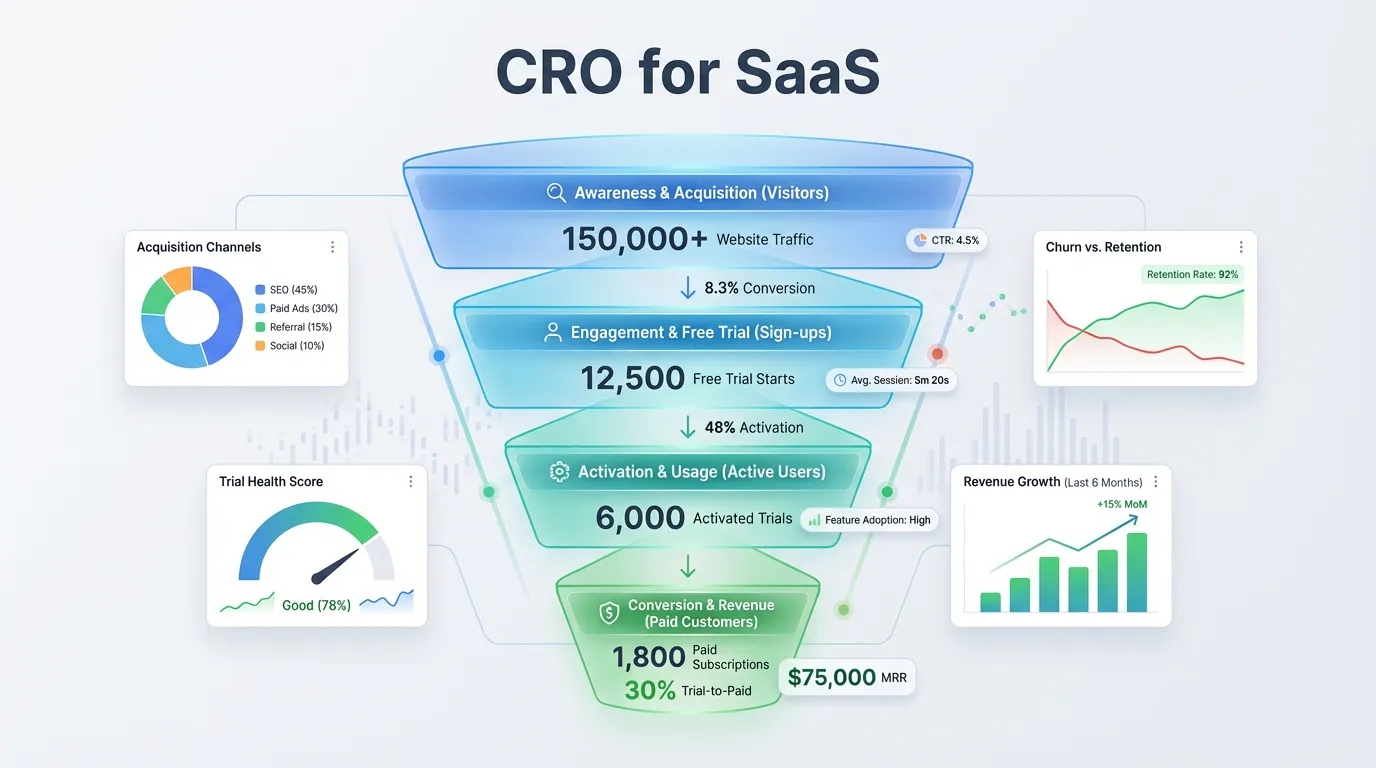
- The Strategy: Education-heavy products (B2B SaaS) require Content/SEO; impulse buys (E-commerce) require Paid Social/Tik-Tok. Align your channel with your product's "Buying Psychology."
Phase 3: Scaling Paid Channels (Meta, Google, TikTok) Without Burning Cash
Scaling isn't just about "Increasing the Budget"—it's about "Maintaining the ROAS."
1. The "Horizontal" vs. "Vertical" Scaling
- Vertical: Increasing the budget on a winning ad set. (Fast, but risk of "Ad Fatigue").
- Horizontal: Creating 10 new ad sets with different audiences using the same winning creative. (Slower, but more "Sustainable").
2. Leveraging "Algorithmic Automation" (Advantage+)
- The Move: In 2026, the platform AI is smarter than you.
- The Strategy: Use "Broad Targeting" and let the platform (Meta/Google) find your customers based on the "Signal" from your creative. Focus your energy on "Ad Creative" and "Conversion Data" (CAPI) rather than "Manual Audience Tweaking."
Phase 4: Organic Growth Engines: SEO and Strategic Content
Organic is "Slow to Start," but "Zero-Cost to Scale."
1. The "Topical Authority" Model
Stop writing "Individual Keywords." Start building "Content Clusters."
- The Move: Write 20 high-quality guides around a single "Pillar Topic."
- The Result: Google views you as an "Expert Authority" on that topic, allowing your entire domain to rank higher than competitors who only have one or two isolated pages.
2. "Short-Form" Organic (The Viral Bridge)
- The Strategy: Use TikTok and YouTube Shorts to "Feed" your long-form organic content.
- The Outcome: One viral 60-second video can send 50,000 visitors to your main "Master Guide," resulting in a massive spike in "Organic Authority" overnight.
Phase 5: The "Channel Saturation" Problem
Every channel has a "Ceiling." You must know when to move to the next one.
1. Identifying the "Diminishing Returns" Point
If doubling your budget only leads to a 10% increase in sales, you have "Saturated" that audience.
- The Move: Do not "Push harder." Instead, use that profit to launch a "Secondary Channel" (e.g., if you've mastered Meta, now launch Google Search).
2. The "Omnichannel" Attributed Lift
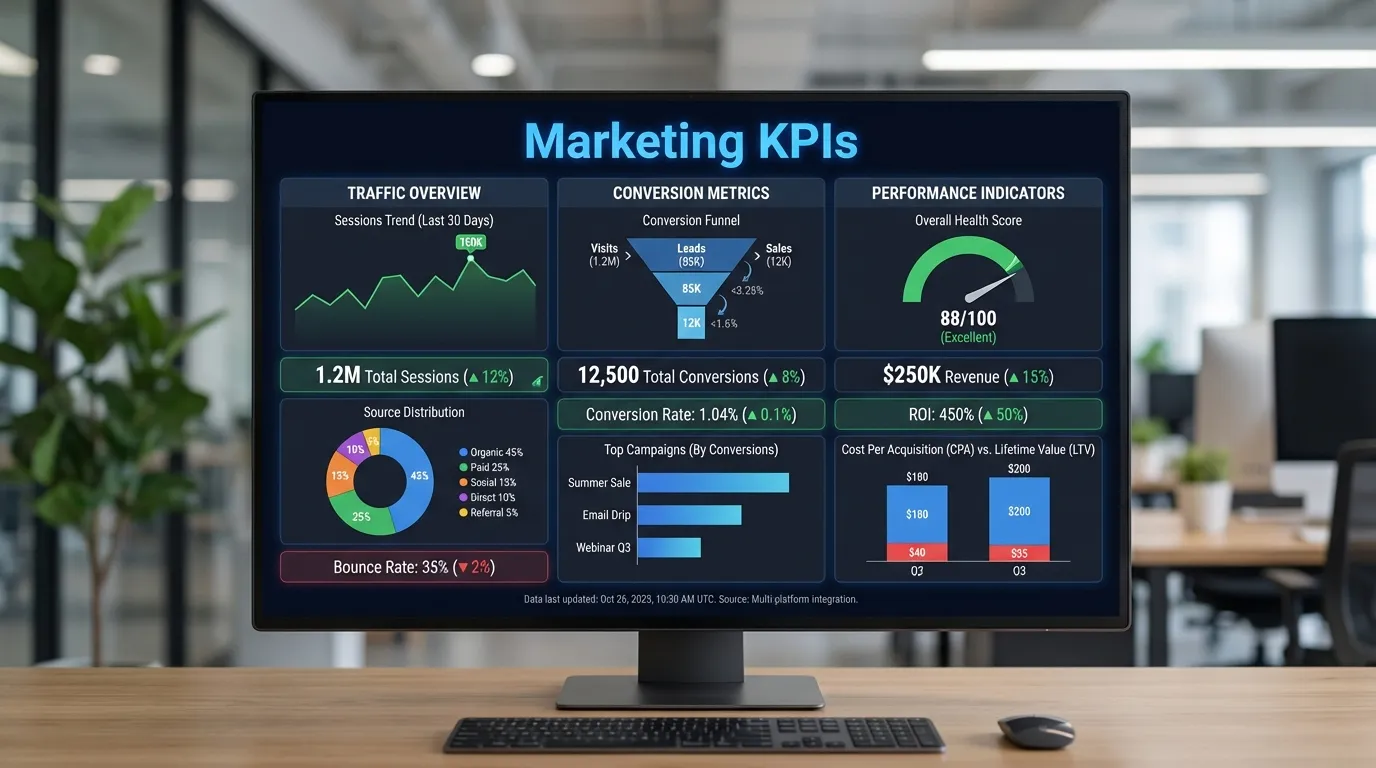
- The Move: In 2026, we measure "Blended CAC."
- The Philosophy: You might find that "TikTok Ads" don't convert well on their own, but they triple the conversion rate of your "Google Search Ads." This Cross-Channel Lift is the hallmark of an elite acquisition strategy.
Phase 6: Calculating and Optimizing CAC Payback Periods
In 2026, "Cash-Flow" is King. You must know how fast you get your money back.
1. The "Payback" Metric
How many months does it take for a new customer to generate enough profit to cover their acquisition cost?
- High-Growth Standard: 3 to 6 months.
- Enterprise Standard: 6 to 12 months.
2. Reducing Payback Through "Up-selling"
- The Move: Implement an "Immediate Cross-Sell" or a "Pre-Paid Annual Plan."
- The Result: If you can get the user to pay for a whole year upfront, your "Payback Period" becomes Day Zero, allowing you to reinvest that cash into acquisition immediately. This is how "Unicorn" startups scale so fast.