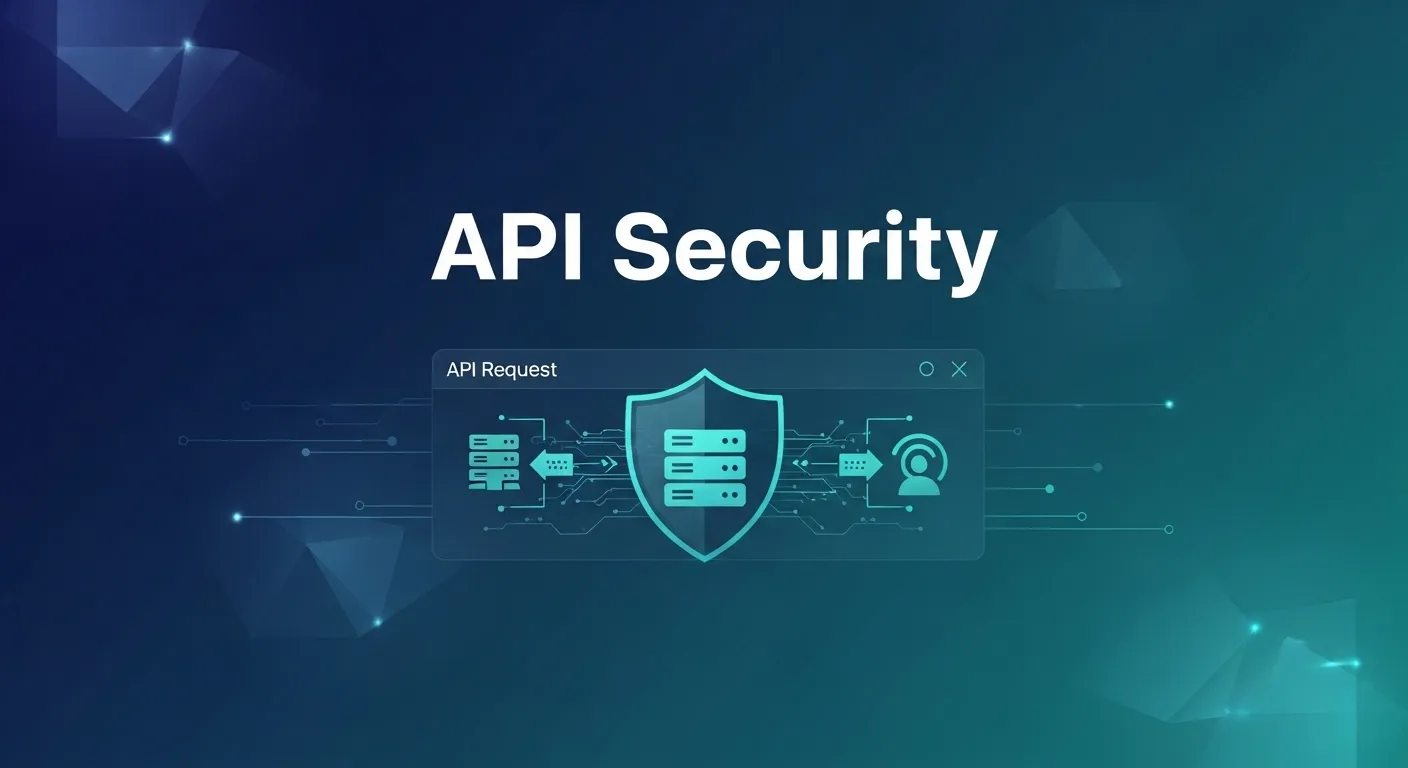
REST API Security Best Practices
Introduction
Every modern application depends on APIs.
Mobile apps SaaS platforms ecommerce websites dashboards and microservices all communicate through REST APIs. But here is the uncomfortable truth.
Most APIs are built before they are secured.
Data breaches token leaks unauthorized access and API abuse often happen because security is added too late.
If you are building or consuming APIs understanding rest api security is essential.
A single vulnerable endpoint can expose
- user credentials
- financial data
- business logic
- private databases
In this complete guide you will learn
- Core REST API security principles
- Authentication and authorization strategies
- Token security techniques
- Rate limiting and data protection
- Real world attack prevention methods
- Enterprise level API protection practices
By the end you will understand how professional developers design secure APIs used in production systems.
What Is REST API Security
REST API security refers to protecting API endpoints from unauthorized access misuse and cyber threats.
It ensures
- Only authenticated users access APIs
- Data remains confidential
- Requests are validated
- Systems remain available under attack
Security must exist at every layer of an API.
Why REST APIs Are Common Attack Targets
APIs expose application logic directly to the internet.
Attackers target APIs because they
- Provide direct database access paths
- Handle authentication tokens
- Transfer sensitive information
- Often lack monitoring
Common API attacks include
- credential stuffing
- token theft
- injection attacks
- DDoS abuse
REST API Security Architecture Overview
A secure API follows layered protection.
Core Security Layers
- Network security
- Authentication
- Authorization
- Input validation
- Monitoring and logging
- Rate limiting
Security is strongest when applied in multiple layers.
Authentication in REST APIs
Authentication verifies who the user is.
Common Authentication Methods
API Keys
Simple identifiers sent with requests.
Pros easy implementation
Cons weak security if exposed
Basic Authentication
Uses username and password.
Should only be used over HTTPS.
Token Based Authentication
Most widely used approach.
Examples
- JWT tokens
- OAuth access tokens
Tokens remove need for repeated login.
Authorization Strategies
Authorization determines what users can access.
Role Based Access Control
Users assigned roles
- admin
- editor
- user
Permissions based on roles.
Attribute Based Access Control
Decisions based on
- user identity
- resource
- context
- request conditions
Used in enterprise systems.
Use HTTPS Everywhere
Never expose APIs over HTTP.
HTTPS provides
- encryption
- data integrity
- authentication verification
Without HTTPS tokens can be intercepted.
Secure Token Management
Tokens are primary attack targets.
Best Practices
- Use short token lifetimes
- Implement refresh tokens
- Rotate tokens regularly
- Revoke compromised tokens
Never store tokens insecurely.
Implementing JWT Security
JWT is popular but must be implemented carefully.
Secure JWT Practices
- Use strong secret keys
- Validate token expiration
- Avoid sensitive payload data
- Use HTTPS only
Improper JWT usage creates vulnerabilities.
Input Validation and Sanitization
Never trust user input.
Every request must be validated.
Validate
- request body
- query parameters
- headers
- file uploads
Example validation middleware
if(!req.body.email){ return res.status(400).send("Invalid input") }
Preventing Injection Attacks
Injection attacks manipulate backend systems.
Common types
- SQL injection
- NoSQL injection
- command injection
Protection methods
- parameterized queries
- ORM usage
- input sanitization
Rate Limiting and Throttling
Rate limiting protects APIs from abuse.
Prevents
- brute force attacks
- API scraping
- denial of service attacks
Example rate limiter
app.use(rateLimit({ windowMs:15601000, max:100 }))
API Gateway Security
API gateways act as security checkpoints.
They handle
- authentication
- rate limiting
- logging
- request filtering
Secure Error Handling
Never expose internal errors.
Bad example database connection failed password admin123
Good example internal server error
Attackers use error messages to learn system details.
Data Encryption Strategies
Protect sensitive data both in transit and at rest.
Techniques
- HTTPS encryption
- database encryption
- hashing passwords
Never store plain text passwords.
Logging and Monitoring APIs
Monitoring detects suspicious behavior.
Track
- login attempts
- failed requests
- unusual traffic spikes
- token misuse
Security without monitoring is incomplete.
CORS Configuration Best Practices
Cross Origin Resource Sharing controls domain access.
Avoid Access Control Allow Origin star.
Allow trusted domains only.
API Versioning for Security
Versioning helps maintain secure upgrades.
Example api v1 users api v2 users
Older insecure endpoints can be deprecated safely.
Protecting Against DDoS Attacks
Distributed Denial of Service attacks overload APIs.
Protection methods
- rate limiting
- CDN usage
- load balancing
- request filtering
Zero Trust API Security Model
Modern security assumes no request is trusted by default.
Verify identity device and request behavior.
REST API Security Testing
Security must be tested continuously.
Testing methods
- penetration testing
- automated vulnerability scans
- authentication testing
- rate limit testing
REST API Security Checklist
- Use HTTPS
- Implement authentication
- Apply authorization rules
- Validate input
- Enable rate limiting
- Monitor logs
- Encrypt sensitive data
- Hide internal errors
Common REST API Security Mistakes
- Missing authentication
- Hardcoded API keys
- Long lived tokens
- No rate limiting
- Overexposed endpoints
Real World REST API Security Examples
Banking APIs
Strict authentication and encryption.
Social Media APIs
Token based access with rate limits.
SaaS Platforms
Role based permissions and monitoring systems.
Future Trends in API Security
Modern trends include
- AI threat detection
- behavioral authentication
- serverless security models
- automated anomaly detection
API security continues evolving rapidly.
Short Summary
This rest api security guide covered authentication authorization token protection validation rate limiting monitoring and modern security practices needed to protect production APIs.
Conclusion
REST APIs power today’s digital ecosystem but introduce significant security risks.
Secure APIs are built through layered protection continuous monitoring and disciplined development practices.
Master REST API security and you master modern backend engineering.
Frequently Asked Questions
REST API security protects endpoints from unauthorized access data leaks and cyber attacks.