Introduction to WebSockets
Introduction
Have you ever wondered how WhatsApp messages appear instantly, live stock prices update automatically, or multiplayer games synchronize players in real time without refreshing the page?
Traditional websites work using a request-response model. You click a button, the browser sends a request, the server responds, and the connection closes.
Modern applications demand real-time communication. This is where WebSockets change everything.
This complete Introduction to WebSockets guide will help you understand:
- What WebSockets are and why they exist
- How WebSockets differ from HTTP communication
- Real-time communication concepts explained simply
- How WebSockets work internally
- Practical examples and use cases
- Benefits and best practices
What Are WebSockets
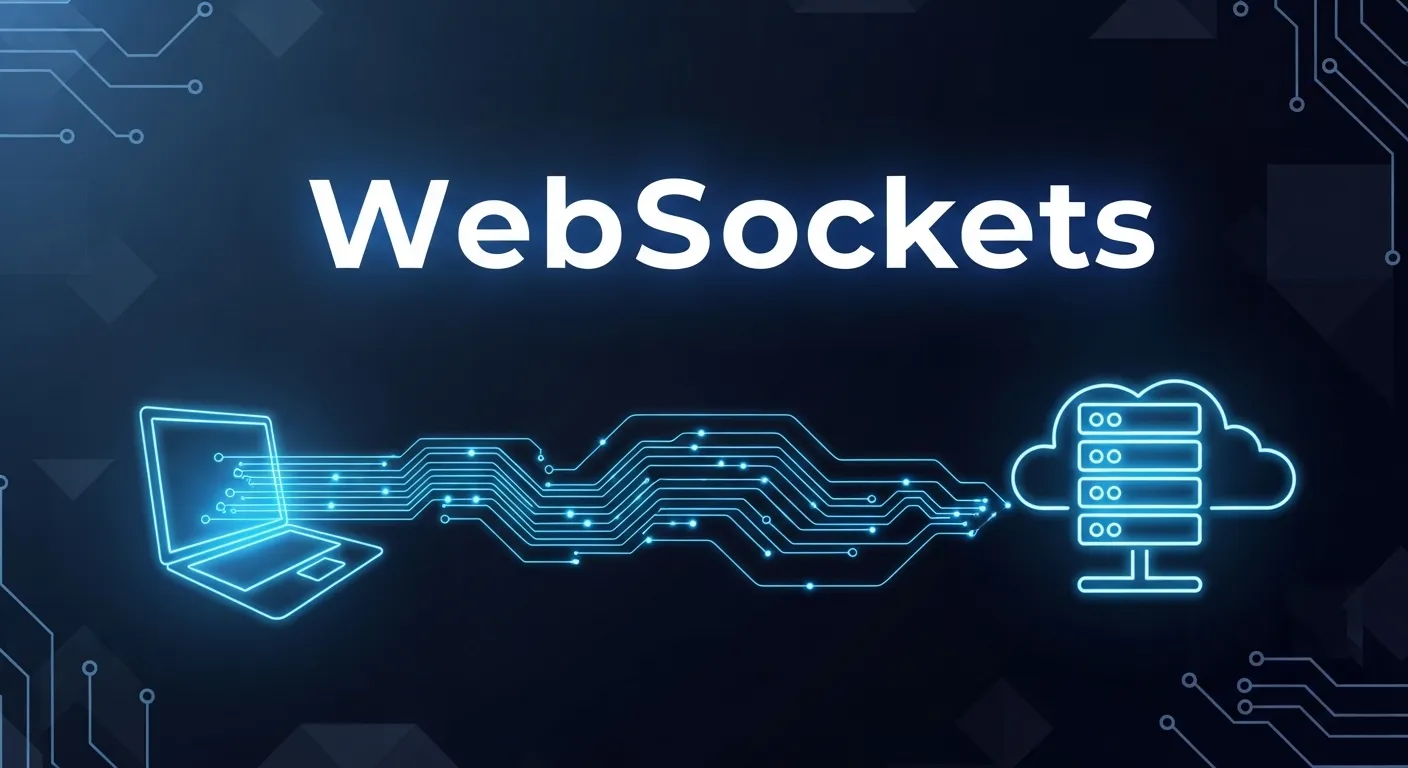
WebSockets are a communication protocol that enables persistent full-duplex communication between a client and a server.
Unlike HTTP, the connection remains open, allowing real-time data exchange without repeated requests.
Why WebSockets Were Created
Before WebSockets, developers relied on techniques such as:
- Polling
- Long polling
- Server Sent Events
These approaches caused higher latency and unnecessary network overhead. WebSockets introduced a persistent connection to solve these problems efficiently.
HTTP vs WebSockets Communication
HTTP Communication
HTTP follows a request-response cycle:
- Client sends request
- Server responds
- Connection closes
WebSocket Communication
WebSockets maintain a continuous connection:
- Client and server communicate anytime
- Reduced latency
- Lower bandwidth usage
How WebSockets Work Internally
The WebSocket process includes:
- HTTP handshake request
- Protocol upgrade to WebSocket
- Persistent connection established
- Bidirectional communication begins
This entire process occurs almost instantly.
Key Features of WebSockets
- Full duplex communication
- Persistent connection
- Low latency messaging
- Efficient data transfer
These features make WebSockets ideal for real-time applications.
WebSocket Architecture Explained
A typical WebSocket architecture consists of:
- Web browser client
- WebSocket server
- Event-driven messaging system
Data flows continuously between the client and server.
Creating a Basic WebSocket Connection
Client Side Example
Client establishes connection and sends messages after the connection opens.
Server Side Example Using Node.js
Server listens for connections and processes incoming messages in real time.
WebSockets vs REST APIs
WebSockets are best suited for:
- Live updates
- Streaming data
- Real-time collaboration
REST APIs are ideal for:
- CRUD operations
- Standard backend communication
- Stateless requests
Both technologies complement each other.
Real World Use Cases of WebSockets
WebSockets power many modern systems:
- Chat applications
- Online gaming platforms
- Live trading dashboards
- Collaborative editors
- Notification systems
WebSockets in Node.js Applications
Node.js works exceptionally well with WebSockets due to its asynchronous architecture and event-driven nature.
Popular libraries include ws, Socket.io, and uWebSockets.
Handling Events with WebSockets
Common WebSocket events include:
- Connection established
- Message received
- User disconnected
- Data updated
Event-driven design improves scalability and responsiveness.
Managing WebSocket Connections
Developers must properly handle:
- Connection lifecycle
- Message processing
- Error handling
- Disconnection cleanup
Good connection management ensures stable applications.
Security Considerations in WebSockets
Follow these security practices:
- Use secure protocol wss
- Authenticate users
- Validate incoming messages
- Implement rate limiting
- Monitor active sessions
Scaling WebSocket Applications
Large applications scale WebSockets using:
- Load balancers
- Redis message brokers
- Stateless server design
These strategies support high concurrency environments.
Performance Optimization Tips
To improve performance:
- Send minimal payloads
- Compress messages
- Close idle connections
- Optimize event handlers
Common WebSocket Mistakes
Avoid these common issues:
- Keeping unused connections alive
- Sending large payloads unnecessarily
- Ignoring error handling
- Skipping secure connections
WebSockets vs Server Sent Events
Server Sent Events support one-way communication from server to client.
WebSockets enable true two-way real-time communication.
When Should You Use WebSockets
WebSockets are ideal for:
- Real-time messaging
- Live dashboards
- Collaborative tools
- Streaming updates
They are unnecessary for simple static websites.
Future of WebSockets
WebSockets continue powering modern applications alongside technologies like WebRTC and emerging real-time communication standards.
Short Summary
This Introduction to WebSockets guide explained how persistent connections enable real-time communication between clients and servers, forming the foundation of modern interactive web applications.
Conclusion
WebSockets represent a major evolution in web communication. By maintaining open connections and enabling instant data exchange, developers can build fast, scalable, and interactive applications.
Learning WebSockets is essential for developers building modern real-time platforms.
Frequently Asked Questions
WebSockets enable real-time two-way communication between client and server.