Full Stack Development Trends 2026
Introduction
Technology evolves faster than ever before. A framework that dominates today might become outdated tomorrow. For developers, staying relevant means understanding where the industry is heading --- not just where it currently stands.
Full stack development has transformed dramatically over the past few years. Developers are no longer limited to writing frontend interfaces or backend APIs separately. Modern engineers are expected to understand complete systems, cloud infrastructure, user experience, security, and AI integration.
This is why understanding full stack trends is essential in 2026.
Whether you are a student planning a career, a beginner learning web development, or an experienced developer upgrading skills, knowing upcoming trends helps you stay competitive.
In this guide, you will learn:
- The biggest full stack development trends shaping 2026
- Technologies companies are actively adopting
- Skills employers expect from developers
- Future proof career strategies
- Practical steps to prepare for industry evolution
Let us explore the future of full stack development.
Why Full Stack Development Is Evolving Rapidly
Modern applications demand:
- Faster performance
- Better user experiences
- High scalability
- Global accessibility
- AI driven automation
Companies now prefer developers who understand the entire development lifecycle.
Shift Toward Product Engineers
Organizations increasingly hire developers capable of:
- Designing systems
- Building features
- Deploying applications
- Monitoring performance
Full stack developers are becoming product focused engineers rather than isolated coders.
Trend 1 AI Assisted Development
Artificial intelligence is redefining how developers write software.
AI Coding Assistants
AI tools help developers:
- Generate code
- Debug faster
- Write documentation
- Optimize performance
Instead of replacing developers, AI acts as a productivity multiplier.
Practical Example
A developer building an API can generate boilerplate code instantly and focus on business logic.
Trend 2 Rise of Serverless Architecture
Serverless computing removes infrastructure management responsibilities.
Benefits of Serverless
- Automatic scaling
- Reduced operational cost
- Faster deployment
- Pay only for usage
Developers focus on features instead of servers.
Popular Use Cases
- Backend APIs
- Event driven applications
- Microservices systems
Serverless adoption continues growing in 2026.
Trend 3 Full Stack JavaScript Dominance
JavaScript remains the most influential language across frontend and backend.
Unified Development Stack
Developers use JavaScript for:
- Frontend interfaces
- Backend APIs
- Mobile applications
- Desktop applications
Unified stacks reduce development complexity.
Trend 4 Microservices and Modular Architecture
Large monolithic applications are being replaced by modular systems.
Why Microservices Matter
Benefits include:
- Independent deployments
- Better scalability
- Easier maintenance
- Team autonomy
Full stack developers must understand service communication and distributed systems.
Trend 5 Cloud Native Development
Cloud platforms have become the foundation of modern applications.
Cloud First Approach
Applications are now designed directly for cloud environments rather than migrated later.
Key capabilities include:
- Auto scaling
- Containerization
- Managed databases
- Global deployment
Cloud skills are becoming mandatory for developers.
Trend 6 DevOps Integration Into Development
The boundary between development and operations continues to disappear.
DevOps Responsibilities for Developers
Modern developers often handle:
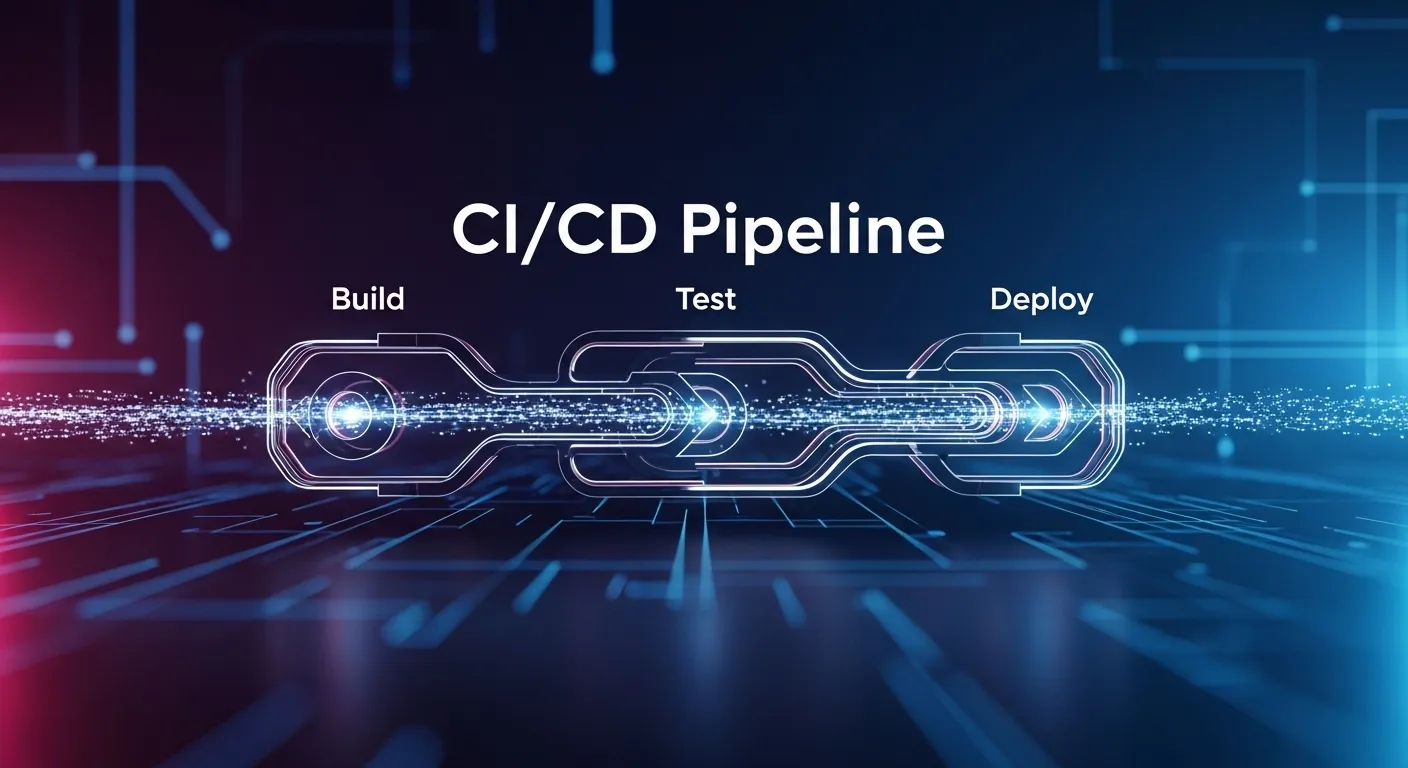
- CI CD pipelines
- Deployment automation
- Monitoring tools
- Infrastructure configuration
Full stack roles increasingly include DevOps knowledge.
Trend 7 API First Development
Applications increasingly revolve around APIs.
API Driven Ecosystem
APIs enable:
- Mobile apps
- Web apps
- Third party integrations
- Microservices communication
Developers design APIs before building interfaces.
Trend 8 Progressive Web Applications
PWAs combine web and mobile experiences.
Advantages
- Offline capability
- App like performance
- Faster loading
- Cross platform compatibility
Businesses adopt PWAs to reduce mobile development costs.
Trend 9 Edge Computing Adoption
Processing data closer to users improves performance.
Benefits of Edge Computing
- Reduced latency
- Faster user experiences
- Improved scalability
Edge deployment becomes increasingly important for global applications.
Trend 10 Cybersecurity Awareness for Developers
Security is no longer optional.
Secure Development Practices
Developers must understand:
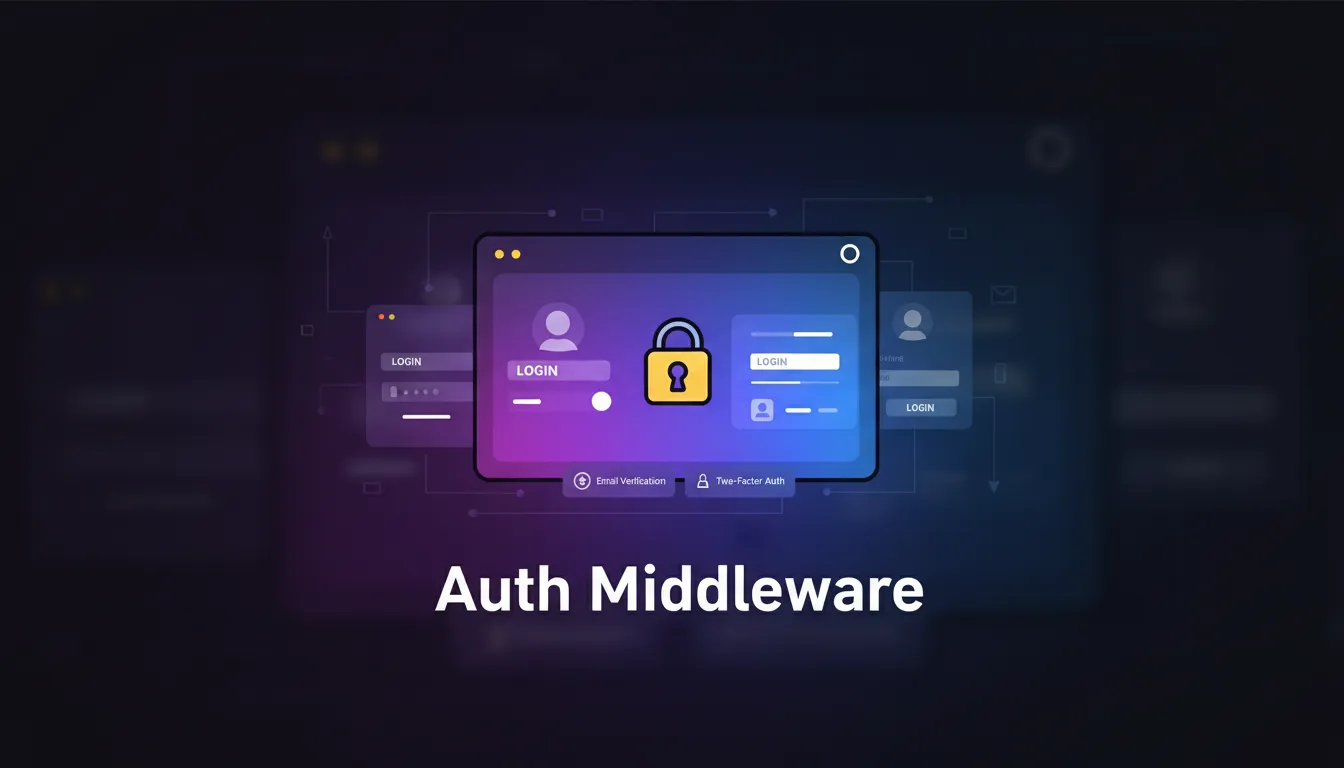
- Authentication systems
- Data encryption
- Secure APIs
- Vulnerability prevention
Security skills are becoming part of full stack responsibilities.
Trend 11 Low Code and No Code Collaboration
Low code platforms are not replacing developers but changing workflows.
Developer Role Evolution
Developers now:
- Integrate automation tools
- Build complex logic
- Extend low code platforms
This increases productivity rather than reducing demand.
Trend 12 Real Time Applications Everywhere
Modern applications increasingly include real time features.
Examples include:
- Chat systems
- Collaboration tools
- Live dashboards
- Streaming platforms
Real time frameworks are becoming essential skills.
Trend 13 Performance Optimization Focus
Users expect instant experiences.
Developers prioritize:
- Lazy loading
- Code splitting
- Server side rendering
- Database optimization
Performance becomes a competitive advantage.
Trend 14 Type Safety and Modern Tooling
Developers adopt typed languages and advanced tooling.
Benefits include:
- Reduced bugs
- Better maintainability
- Improved collaboration
Type safe development continues growing in popularity.
Trend 15 Developer Experience as a Priority
Companies now optimize internal developer workflows.
Improved Developer Experience
Includes:
- Faster build systems
- Better documentation
- Automation tools
- Smart debugging environments
Happy developers build better products.
Skills Developers Should Learn for 2026
Core Technical Skills
- JavaScript and modern frameworks
- Backend architecture
- Database design
- API development
- Cloud deployment
Supporting Skills
- System design
- DevOps basics
- Security awareness
- Performance optimization
Step by Step Roadmap to Stay Future Ready
Step 1 Strengthen Fundamentals
Master core programming concepts first.
Step 2 Learn Cloud Platforms
Understand deployment and scaling.
Step 3 Practice Real Projects
Build scalable applications.
Step 4 Use AI Tools Wisely
Leverage automation while maintaining deep understanding.
Step 5 Continuously Learn
Technology evolution never stops.
Full Stack Developer Career Opportunities in 2026
Demand continues increasing across industries:
- SaaS companies
- Startups
- FinTech
- HealthTech
- E commerce
- AI companies
Full stack developers remain among the most employable professionals globally.
Short Summary
Full stack trends in 2026 emphasize AI assisted development, cloud native architecture, serverless systems, DevOps integration, real time applications, and performance optimization.
Conclusion
The future of software development belongs to adaptable developers.
Full stack engineers who understand emerging trends can:
- Build scalable products
- Work across multiple technologies
- Deliver business value faster
- Future proof their careers
Continuous learning defines successful developers.
Frequently Asked Questions FAQs
What are the biggest full stack trends in 2026 AI assisted development, cloud native applications, serverless architecture, and DevOps integration.
Is full stack development still a good career Yes. Demand for versatile developers continues growing worldwide.
Do developers need cloud knowledge now Yes. Cloud deployment skills are becoming essential.
Will AI replace full stack developers No. AI enhances productivity but developers remain essential.
What should beginners learn first Start with programming fundamentals and web technologies.