Introduction
Choosing the right development path can feel overwhelming, especially with countless frameworks, tools, and skills emerging every year. Whether you're a student, a beginner, or a working professional exploring tech opportunities, you’ve likely encountered these three roles: Frontend Developer, Backend Developer, and Full Stack Developer.
But what exactly is the difference between them?
Which one requires what skills?
And most importantly—which path should you choose?
This blog breaks everything down in the simplest, most practical way.
You’ll learn:
- What frontend, backend, and full stack development mean
- The essential full stack skills needed in 2026
- Tools, technologies, and workflows used by top developers
- Real-world examples and comparisons
- Actionable steps to start your career in any of the three fields
By the end, you’ll have absolute clarity on which role fits your goals—and how to become job-ready.
What Is Frontend Development?
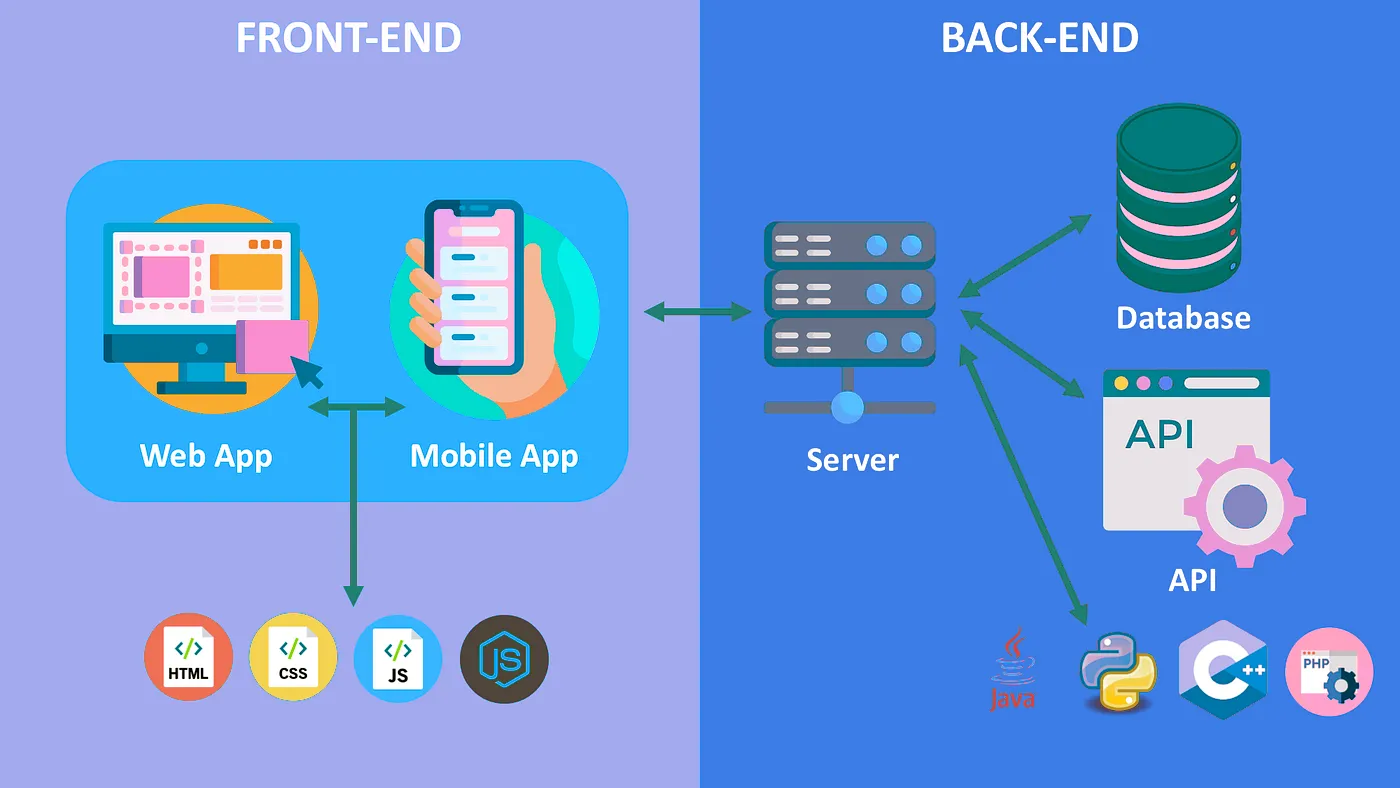
Frontend development refers to everything users see and interact with inside a website or application.
What Frontend Developers Do
Frontend developers build:
- Layouts
- Buttons, forms, navigation
- Animations
- Responsive designs
- User experiences (UX)
They turn backend data into something visually usable.
Core Frontend Skills
1. HTML
The skeleton of every web page
- Semantic structure
- Forms
- Accessibility
2. CSS
Controls the visual appearance
- Flexbox & Grid
- Animations
- Responsive layouts
3. JavaScript
The brain of the frontend
- Logic
- Events
- API communication
- DOM manipulation
Frontend Frameworks & Tools
- React (most popular in 2026)
- Vue
- Angular
- Tailwind CSS
- Bootstrap
- Webpack, Vite
Example of Frontend Work
Creating an interactive product filter on an e-commerce site.
Pros of Frontend Development
- Creative and visual
- Ideal for designers-turned-developers
- Huge demand
- Fast project results
Cons
- Browser compatibility issues
- Designs can be subjective
What Is Backend Development?
Backend development powers the part of the web users cannot see, including:
- Servers
- Databases
- APIs
- Authentication
- Business logic
What Backend Developers Do
They make sure:
- Data flows correctly
- Systems remain secure
- Applications scale
- APIs return accurate results
Core Backend Skills
1. Server-Side Languages
- Node.js (JavaScript)
- Python (Django, FastAPI)
- Java (Spring Boot)
- Go
2. Database Management
- SQL (MySQL, PostgreSQL)
- NoSQL (MongoDB, Firebase)
3. API Development
- REST APIs
- GraphQL
- Authentication & roles
Backend Frameworks
- Express.js
- Django
- Spring Boot
- Flask
- FastAPI
Example of Backend Work
Building the login system and verifying user credentials.
Pros of Backend Development
- High salaries
- Less design-based
- Great for logic-driven minds
Cons
- More complex debugging
- Scaling systems requires deeper knowledge
What Is Full Stack Development?
A Full Stack Developer works on both frontend and backend, meaning they handle the complete product.
What Full Stack Developers Do
- Build user interfaces
- Create APIs
- Manage databases
- Deploy to servers
- Test and optimize systems
Full stack developers are highly valued because they understand end-to-end development.
Essential Full Stack Skills (2026 Edition)
1. Frontend Technologies
- HTML, CSS, JavaScript
- React or Angular or Vue
- Responsive design
- State management
2. Backend Technologies
- Node.js, Python, or Java
- REST API creation
- Authentication, JWT
- Server management
3. Databases
- MySQL, PostgreSQL
- MongoDB
- Redis
4. DevOps Basics
- Git & GitHub
- Docker
- CI/CD pipelines
- Cloud hosting (AWS, Vercel, Netlify)
5. Testing
- Jest
- Cypress
- Postman
6. System Design Understanding
- Caching
- Load balancing
- Rate limiting
- Microservices
Frontend vs Backend vs Full Stack: Key Comparisons
1. Skill Set Comparison
| Area | Frontend | Backend | Full Stack |
|---|---|---|---|
| UI/UX | ✔✔✔ | ✖ | ✔✔ |
| Logic & APIs | ✖ | ✔✔✔ | ✔✔✔ |
| Databases | ✖ | ✔✔✔ | ✔✔ |
| Deployment | ✔ | ✔✔ | ✔✔✔ |
2. Tools Used
- Frontend: React, Vue, CSS, Tailwind
- Backend: Node.js, Django, SQL
- Full Stack: Both frontend and backend tech + DevOps tools
3. Learning Curve
- Frontend: Moderate
- Backend: Hard
- Full Stack: Hardest (combines both)
4. Salary Comparison
Full stack developers often earn the most because they cover more responsibilities.
Which Path Should YOU Choose?
Choose Frontend If:
- You enjoy design
- You love interactive UI
- You want fast project results
Choose Backend If:
- You love logic
- You enjoy problem-solving
- You like working behind the scenes
Choose Full Stack If:
- You want complete control over your projects
- You enjoy both frontend and backend
- You want higher pay and flexibility
Step-by-Step Roadmap to Become a Full Stack Developer
Step 1: Learn HTML, CSS, JavaScript
- Start with basics
- Build small projects
Step 2: Pick a Frontend Framework
- React (recommended)
- Practice components, state, routing
Step 3: Learn Backend Development
- Start with Node.js + Express
- Build REST APIs
- Add JWT authentication
Step 4: Learn Databases
- SQL + NoSQL basics
Step 5: Learn Git & GitHub
- Push projects
- Collaborate in repos
Step 6: Learn DevOps essentials
- Docker
- CI/CD
- Hosting
Step 7: Build Real Projects
Examples:
- E-commerce
- Blog with admin panel
- Chat application
Short Summary
Frontend focuses on user interfaces.
Backend handles data, logic, and servers.
Full Stack combines both, making developers highly versatile and in-demand.
This blog explored all three roles, compared their skills, tools, examples, salaries, pros and cons, and gave clear recommendations plus a roadmap for becoming a full stack developer.
Conclusion
The technology world offers endless opportunities, and whether you choose frontend, backend, or full stack, each path opens the door to exciting, high-paying careers.
If you’re creative, choose Frontend.
If you're analytical, choose Backend.
If you want versatility and higher pay, choose Full Stack.
The future belongs to developers who continuously learn, build projects, and master the full development cycle. Start today—your dream tech career is closer than you think.
Frequently Asked Questions
Frontend is what users see; backend is how the system works behind the scenes.