Introduction
Imagine you have a business, and you want customers today, not after months of SEO efforts. You launch an ad, and within minutes, your website starts getting visitors. Sounds powerful, right?
That’s exactly what PPC Pay Per Click marketing does.
If you’ve ever searched something on Google and clicked on the first few sponsored results, you’ve already experienced PPC in action. It’s one of the fastest ways to drive traffic, generate leads, and grow a business online.
In this complete guide on what is PPC, you will learn:
- What PPC is and how it works
- Why businesses use PPC advertising
- Different types of PPC campaigns
- Real world examples
- Step by step process to get started
- Expert tips to maximize ROI
Whether you are a student, beginner, or business owner, this guide will help you understand PPC from scratch in a simple and practical way.
What is PPC
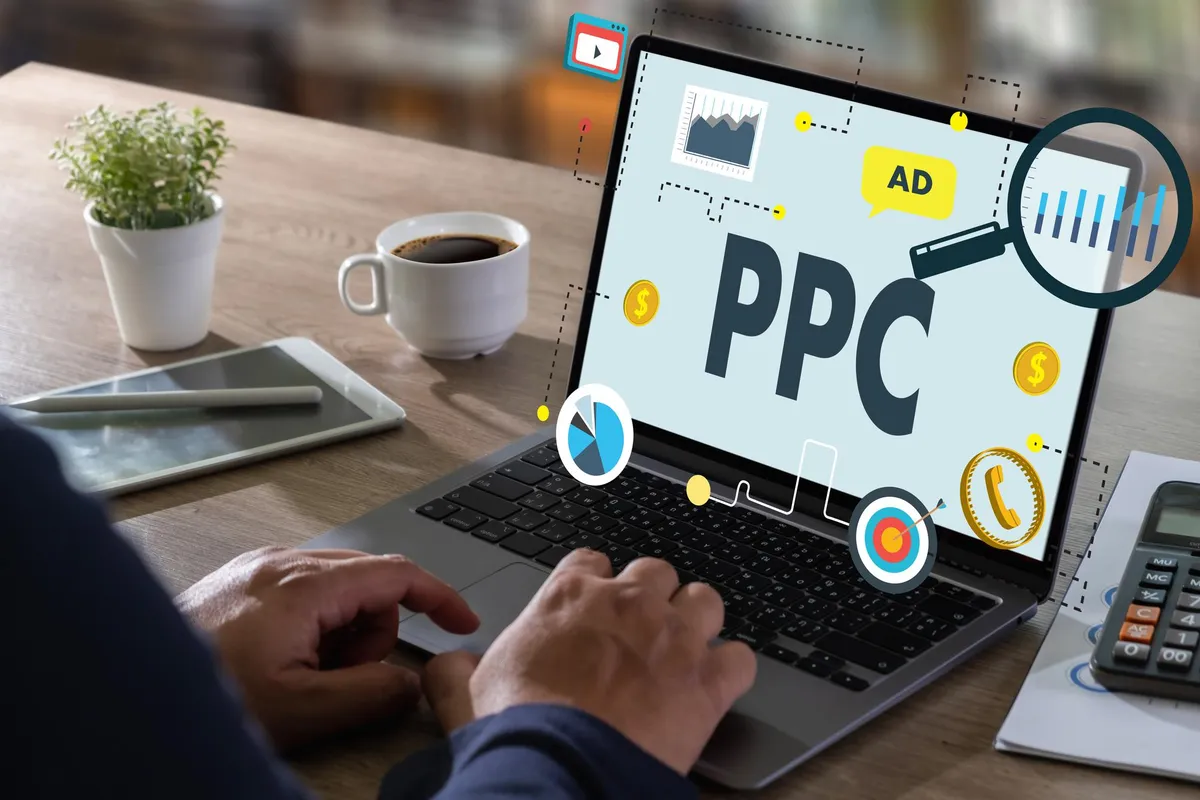
PPC stands for Pay Per Click, a digital advertising model where advertisers pay a fee each time someone clicks on their ad.
Instead of earning traffic organically, you buy visits to your website.
Simple Definition
PPC is an online advertising strategy where:
- You create ads
- You bid for keywords
- You pay only when someone clicks
How PPC Works
Understanding what is PPC becomes easier when you see how it actually works.
Step by Step Process
1 Choose keywords related to your business
2 Create an ad campaign
3 Set a budget and bid amount
4 Your ad appears in search results
5 User clicks and you pay
Example
Let’s say you own a digital marketing agency.
- Keyword best digital marketing agency
- You run a Google ad
- A user clicks your ad
- You pay 10 rupees per click
If 100 people click you pay 1000 rupees
Why PPC is Important
PPC plays a crucial role in digital marketing.
Instant Traffic
Unlike SEO, PPC gives immediate results.
Targeted Audience
You can target:
- Location
- Age
- Interests
- Devices
Measurable Results
Track:
- Clicks
- Conversions
- ROI
Scalable Growth
Increase budget means increase traffic
Types of PPC Advertising
Search Ads
These appear on search engines like Google.
Display Ads
Banner ads on websites.
Social Media Ads
Ads on platforms like:
Shopping Ads
Used for ecommerce.
Video Ads
Ads on platforms like YouTube.
PPC Platforms
Google Ads
Most popular PPC platform.
Meta Ads
Used for Facebook and Instagram.
LinkedIn Ads
Best for B2B marketing.
Microsoft Ads
Alternative to Google Ads.
PPC vs SEO
| Feature | PPC | SEO |
|---|---|---|
| Speed | Instant | Slow |
| Cost | Paid | Organic |
| Traffic | Immediate | Long term |
| Control | High | Limited |
Key PPC Terms You Must Know
CPC Cost Per Click
Amount paid per click.
CTR Click Through Rate
Percentage of users who click.
Conversion Rate
Percentage of users who take action.
Quality Score
Google rating of ad relevance.
How to Create a PPC Campaign
Step 1 Keyword Research
Use tools like Google Keyword Planner
Step 2 Create Ad Copy
Write compelling ads with:
- Headline
- Description
- Call to action
Step 3 Set Budget
Decide:
- Daily budget
- Bid amount
Step 4 Launch Campaign
Publish your ads.
Step 5 Monitor and Optimize
Track performance and improve results.
PPC Bidding Strategies
Manual Bidding
You control bids.
Automated Bidding
Platform optimizes bids.
Smart Bidding
Uses AI for better results.
Advantages of PPC
Fast Results
Instant traffic.
High Targeting
Reach the right audience.
Full Control
Control budget and ads.
Measurable ROI
Track every click and conversion.
Disadvantages of PPC
Costly
Clicks can be expensive.
Requires Expertise
Needs optimization skills.
Temporary Results
Traffic stops when ads stop.
Real World Example of PPC
A small business runs ads:
- Budget 5000
- CPC 10
- Clicks 500
- Conversion rate 5 percent
- Sales 25
If each sale is 500 revenue is 12500
Common PPC Mistakes to Avoid
Ignoring Keyword Research
Leads to wasted budget.
Poor Ad Copy
Low CTR.
Not Tracking Conversions
No performance insights.
Sending Traffic to Homepage
Use landing pages instead.
Best Practices for PPC Success
Use Long Tail Keywords
Lower competition.
Optimize Landing Pages
Improve conversions.
A B Testing
Test different ads.
Use Negative Keywords
Avoid irrelevant traffic.
Monitor Performance Regularly
Improve ROI.
Advanced PPC Strategies
Remarketing
Target previous visitors.
Audience Targeting
Use custom audiences.
Geo Targeting
Focus on specific locations.
Device Targeting
Optimize for mobile or desktop.
Short Summary
PPC is a powerful advertising model where businesses pay for clicks to drive traffic instantly. It offers fast results, precise targeting, and measurable performance.
Conclusion
Now that you understand what is PPC, it is one of the most powerful tools in digital marketing.
Whether you want instant traffic, leads, or sales, PPC can deliver results quickly if used correctly.