Introduction
Imagine having customers come to you — instead of chasing them with ads, cold calls, or intrusive messages. Imagine building trust so strong that people choose your brand naturally, without pressure.
That’s the power of inbound marketing, one of the most effective and human-friendly marketing strategies used by top companies worldwide.
In a digital world where customers research before buying, inbound marketing gives brands the chance to:
- Attract customers organically
- Educate them through valuable content
- Build trust and long-term relationships
- Convert leads into loyal fans
In this guide, you’ll learn:
- What inbound marketing really means
- How it differs from traditional outbound marketing
- Step-by-step inbound marketing strategy
- Real-world examples
- Best practices and mistakes to avoid
- Tools to implement inbound strategies
By the end, you'll have a complete understanding of how to create an inbound marketing strategy that drives traffic, leads, and conversions — without being pushy.
What Is Inbound Marketing? (Simple Definition)
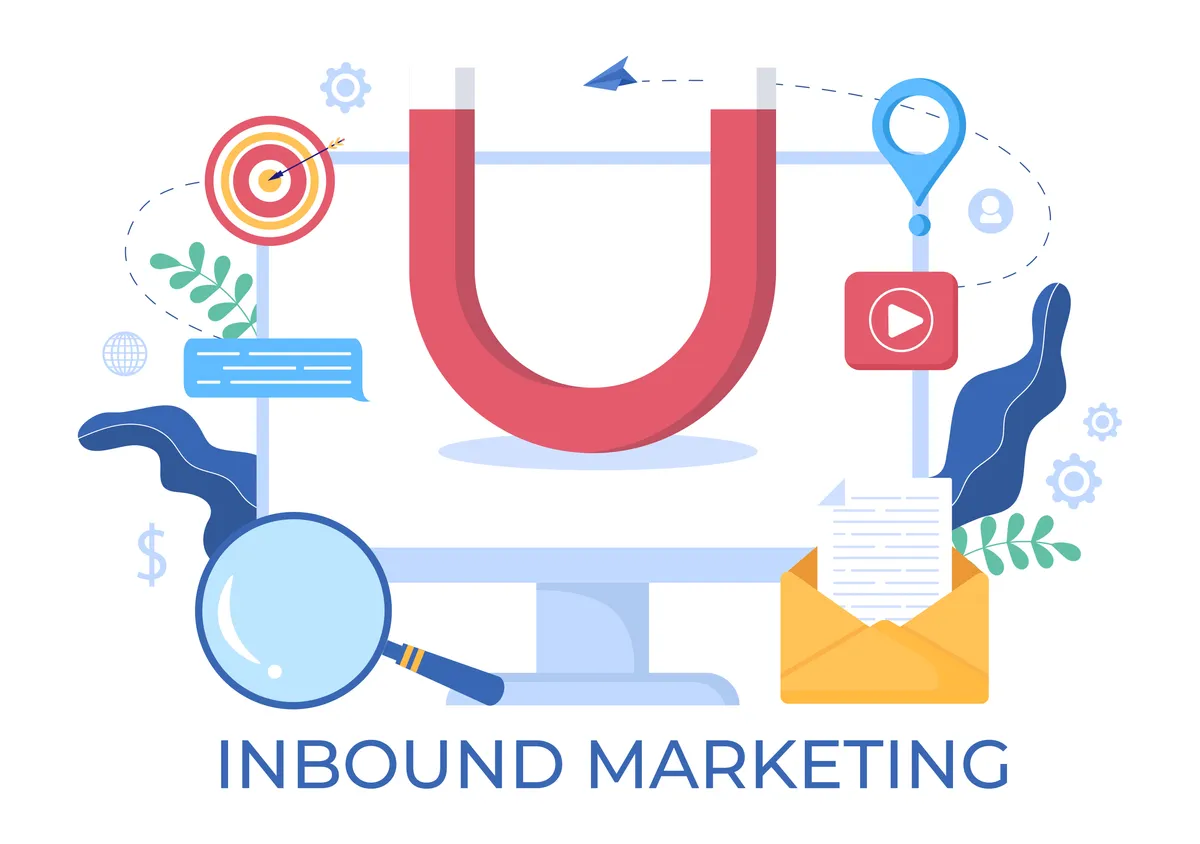
Inbound marketing is a strategy focused on attracting customers naturally by offering valuable content, solving their problems, and guiding them through their buying journey.
Instead of pushing ads, inbound marketing pulls people in.
Inbound marketing revolves around three pillars:
1. Attract
Bring the right people to your website or content using blogs, SEO, social media, and videos.
2. Engage
Build trust by offering value, answering questions, and nurturing leads through email, resources, and personalized messages.
3. Delight
Provide an exceptional experience that turns customers into loyal promoters.
Inbound Marketing vs. Outbound Marketing
Understanding the difference helps clarify why inbound is more effective today.
| Feature | Inbound Marketing | Outbound Marketing |
|---|---|---|
| Approach | Pull | Push |
| Focus | Value and education | Promotion and selling |
| Channels | SEO, content, social media, email | TV ads, cold calls, print ads |
| Cost | Lower | Higher |
| Results | Long-term, organic | Short-term, paid |
| Audience Reaction | Welcomes content | Often ignores ads |
Example Comparison
- Outbound: A company runs a TV ad hoping people buy.
- Inbound: A company publishes a blog, guides, videos, and email nurturing to help customers make informed decisions.
Inbound = trust
Outbound = interruption
Why Inbound Marketing Is Important in 2026
1. Buyers Are Smarter
People research before buying.
2. Ads Are Getting Expensive
Inbound reduces dependency on paid ads.
3. Organic Trust Beats Promotion
People prefer brands that educate.
4. Long-Term ROI
Content works long after publishing.
5. Works for All Industries
Inbound is effective for SaaS, e-commerce, agencies, freelancers, and local businesses.
Core Components of an Inbound Marketing Strategy
1. Attracting Your Ideal Audience
A. SEO (Search Engine Optimization)
SEO helps your content rank organically.
B. Content Marketing
Types: blogs, videos, infographics, guides, ebooks, case studies.
C. Social Media Presence
Platforms like LinkedIn, Pinterest, Reddit, YouTube boost visibility.
D. Lead Magnets
Examples: templates, checklists, free trials, webinars, ebooks.
2. Engaging and Nurturing Leads
A. Email Marketing
Use welcome sequences, nurturing flows, educational emails.
B. Chatbots and Conversational Marketing
Guide visitors in real-time.
C. Personalization
Customized recommendations based on user behavior.
D. Landing Pages
Should have strong CTA, clean design, social proof.
3. Delighting Customers
A. Great Customer Support
Fast responses and solutions.
B. Feedback Loops
Collect reviews, surveys, suggestions.
C. Loyalty Programs
Reward loyal customers.
D. Exclusive Communities
Facebook groups, Discord servers, premium user groups.
Inbound Marketing Funnel (Step-by-Step)
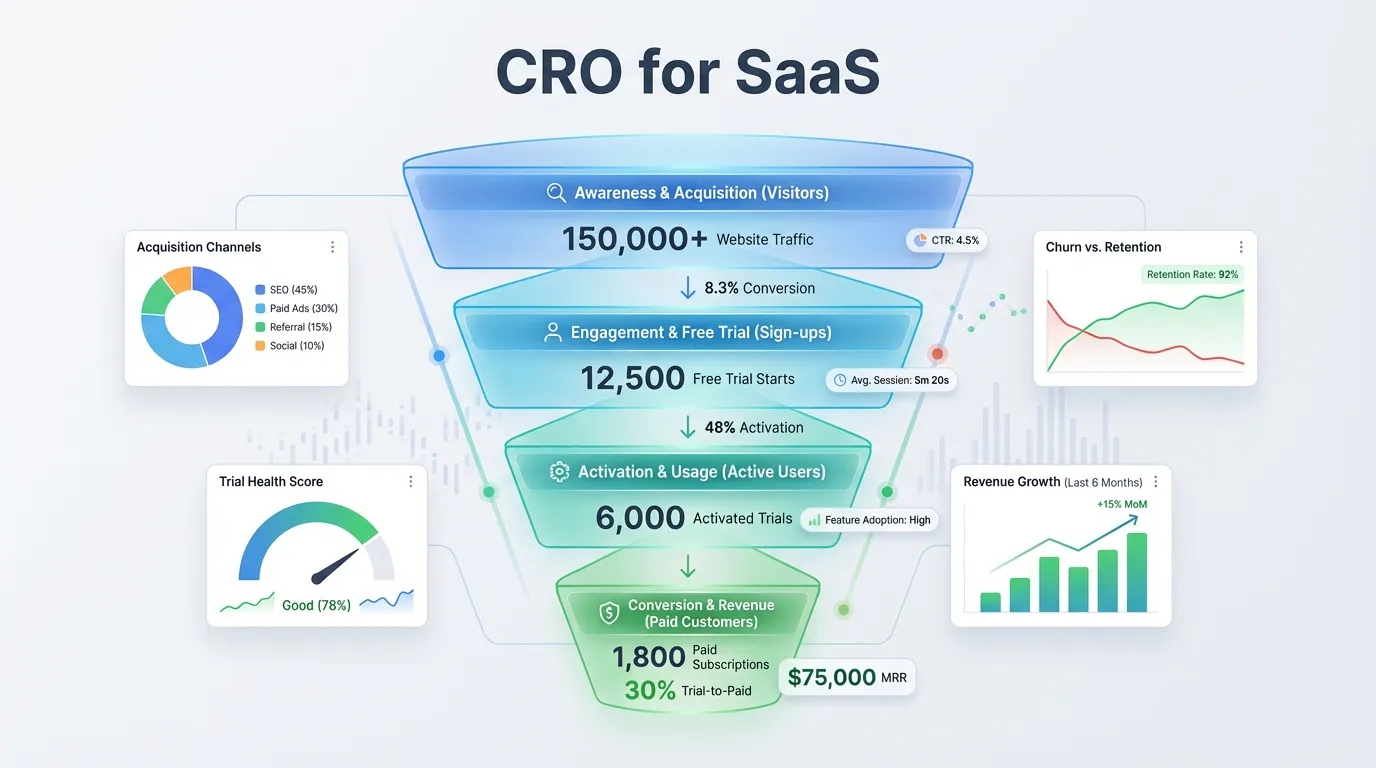
1. Awareness Stage
Users discover through blogs, SEO, videos.
2. Consideration Stage
Users compare options; you provide case studies, webinars, guides.
3. Decision Stage
Free trials, demos, testimonials seal the deal.
4. Delight Stage
Onboarding, support, and loyalty programs keep them engaged.
Real Examples of Inbound Marketing
Example 1: HubSpot
Uses blogs, free tools, webinars → millions of leads.
Example 2: Canva
Tutorials, templates, guides → global brand adoption.
Example 3: Neil Patel
SEO blogs + YouTube + email nurturing.
Example 4: Shopify
E-commerce guides + case studies → massive inbound audience.
Inbound Marketing Strategy (Step-by-Step Guide)
Step 1: Identify Your Buyer Persona
Define age, goals, pain points.
Step 2: Conduct Keyword Research
Use tools like Ahrefs, SEMrush, Google Keyword Planner.
Step 3: Create High-Quality Content
Focus on search intent, actionable tips, visuals.
Step 4: Promote Your Content
Share on social platforms, communities, and newsletters.
Step 5: Convert Visitors into Leads
Use lead magnets and landing pages.
Step 6: Nurture Leads
Email sequences + personalized messages.
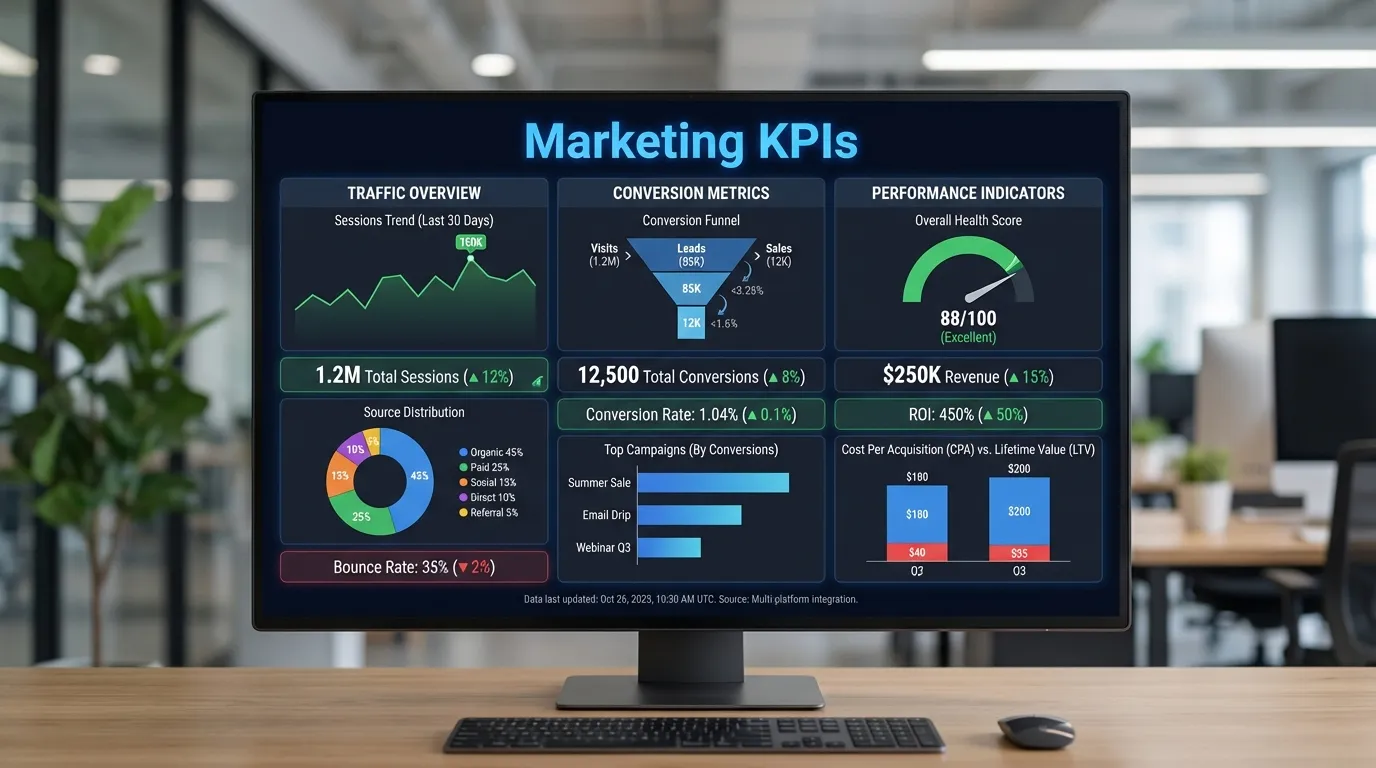
Step 7: Analyze and Optimize
Track traffic, conversions, email metrics.
Inbound Marketing Tools You Should Use
SEO Tools
Ahrefs, SEMrush, Google Search Console
Email Tools
HubSpot, Mailchimp, ConvertKit
Social Tools
Hootsuite, Buffer
Analytics
Google Analytics
Design Tools
Canva
Common Mistakes in Inbound Marketing
❌ Publishing content without SEO
❌ No lead magnets
❌ Weak CTAs
❌ Poor nurturing flows
❌ Not analyzing data
Short Summary
Inbound marketing attracts customers organically using SEO, content, social media, email nurturing, and delightful customer experiences. It builds trust, generates long-term growth, and reduces reliance on paid ads.
Conclusion
Inbound marketing is more than a strategy — it's a philosophy rooted in trust, value, and education. Brands that master inbound marketing enjoy long-term traffic, loyal customers, and sustainable business growth.
Start by creating valuable content, nurturing leads thoughtfully, and optimizing your efforts consistently.