Introduction
Why do some people visit your website but never buy anything?
And why do others become loyal customers?
The answer lies in something every successful business uses—a sales funnel.
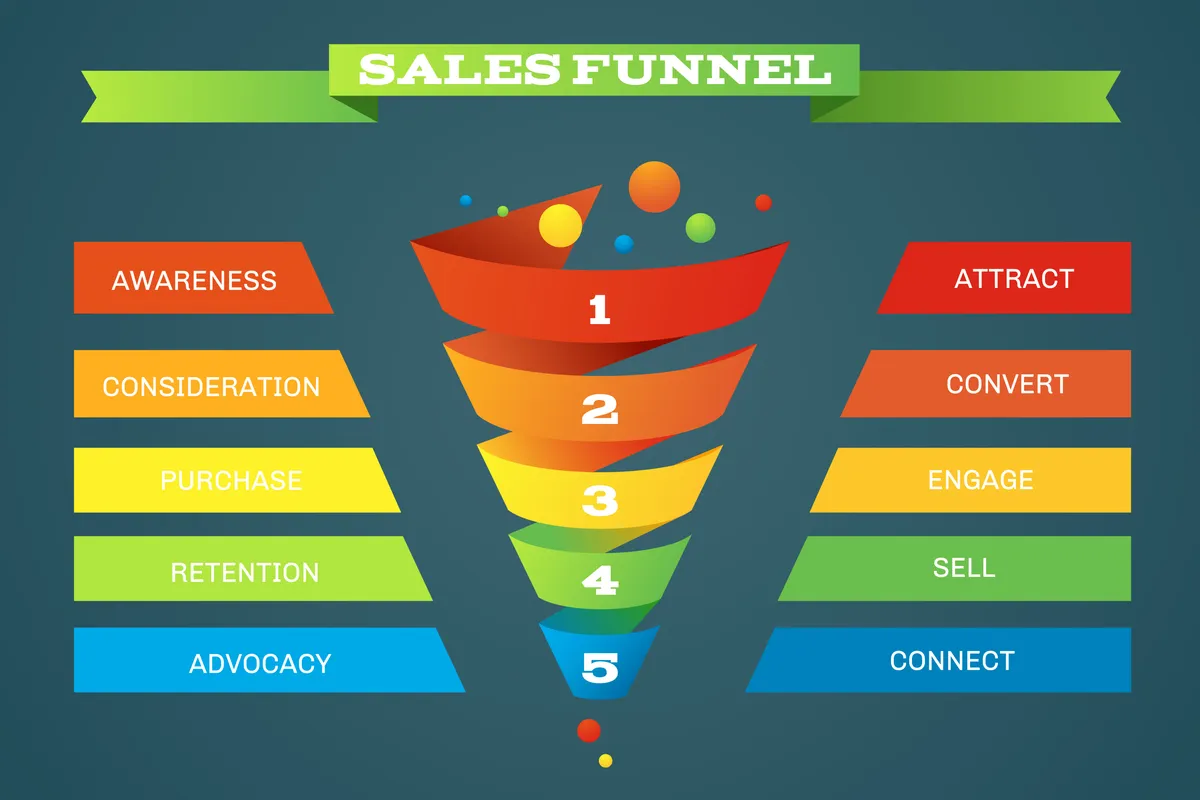
If you’ve ever wondered what is a sales funnel, think of it as a journey. Not everyone who discovers your brand will buy immediately. Instead, they move through stages—from awareness to interest, and finally to purchase.
Understanding this journey can completely change your marketing results.
In this guide, you’ll learn:
- What is a sales funnel in simple terms
- Different stages of a sales funnel
- Real-world examples
- Step-by-step process to build your own funnel
- Proven strategies to improve conversions
By the end, you’ll know exactly how to create and optimize a high-converting sales funnel.
What is a Sales Funnel
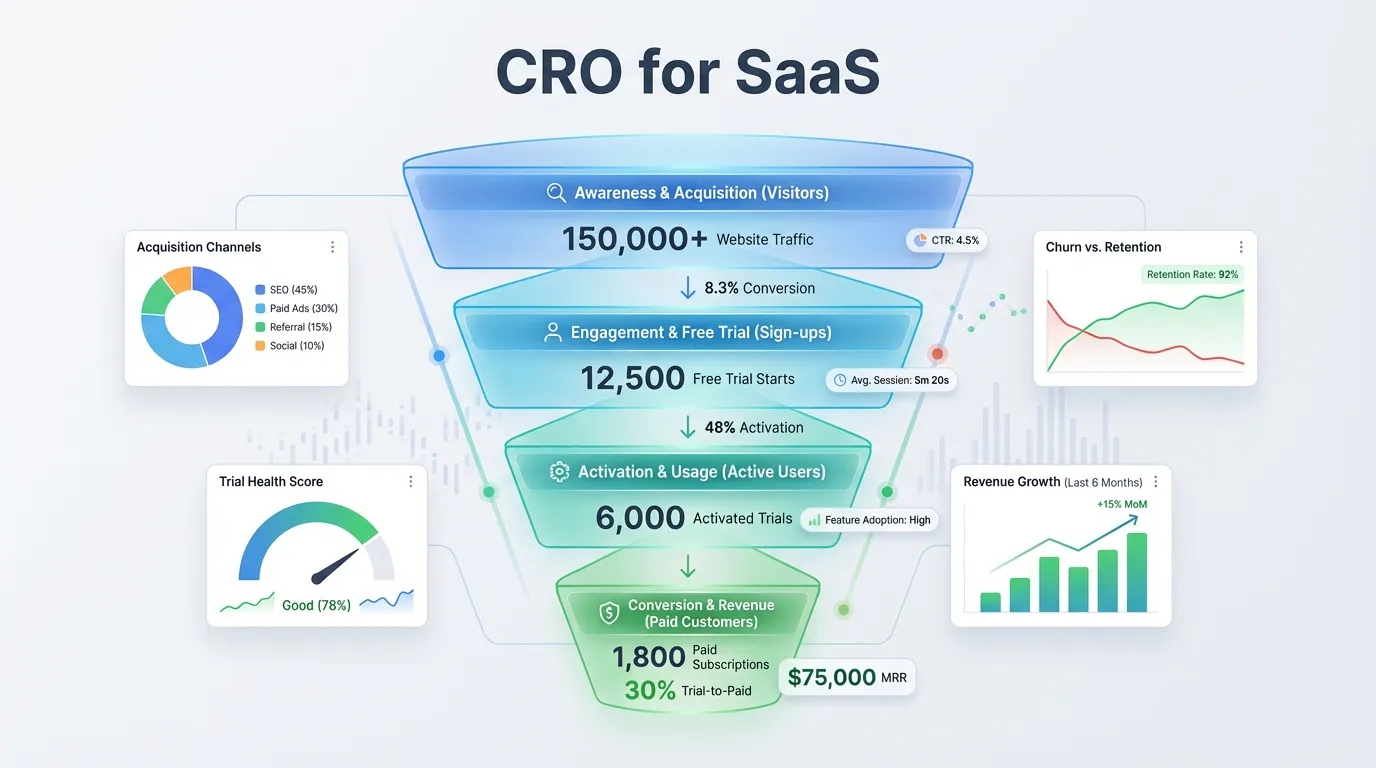
A sales funnel is a step-by-step process that guides potential customers from discovering your business to making a purchase.
Simple Definition
A sales funnel represents:
- The customer journey
- From awareness to conversion
- Through multiple stages
Why Sales Funnels are Important
Structured Customer Journey
Helps guide users step by step.
Higher Conversions
Improves chances of sales.
Better Targeting
Deliver the right message at the right time.
Scalable Growth
Funnels can be automated and scaled.
Stages of a Sales Funnel
Awareness Stage
This is where users first discover your brand.
Examples
- Blog posts
- Social media
- Ads
Interest Stage
Users start showing interest.
Examples
- Reading blogs
- Watching videos
- Subscribing
Consideration Stage
Users compare options.
Examples
- Product comparisons
- Reviews
- Case studies
Conversion Stage
User takes action.
Examples
- Purchase
- Sign-up
Retention Stage
Focus on repeat customers.
Examples
- Email marketing
- Loyalty programs
Sales Funnel vs Marketing Funnel
| Feature | Sales Funnel | Marketing Funnel |
|---|---|---|
| Focus | Sales process | Awareness and engagement |
| Goal | Conversion | Lead generation |
Real-World Example of Sales Funnel
Let’s say you run a digital marketing course.
Step 1 Awareness
User reads your blog.
Step 2 Interest
User downloads free ebook.
Step 3 Consideration
User watches webinar.
Step 4 Conversion
User buys your course.
Types of Sales Funnels
Lead Generation Funnel
Focus on collecting leads.
Webinar Funnel
Use webinars to sell.
Product Launch Funnel
Promote new products.
Email Funnel
Use email sequences.
How to Build a Sales Funnel Step by Step
Step 1 Attract Traffic
Use:
- SEO
- Social media
- Ads
Step 2 Capture Leads
Use:
- Signup forms
- Landing pages
- Lead magnets
Step 3 Nurture Leads
Build relationships.
Methods
- Email marketing
- Content
Step 4 Convert Leads
Encourage action.
Examples
- Offers
- Discounts
Step 5 Retain Customers
Keep customers engaged.
Key Elements of a High-Converting Funnel
Strong Value Proposition
Explain why users should choose you.
Clear Call to Action
Guide users to next step.
Trust Building
Use testimonials and reviews.
Simple Design
Avoid confusion.
Common Sales Funnel Mistakes
No Clear Strategy
Leads to poor results.
Ignoring User Experience
Reduces conversions.
Weak Content
Fails to engage users.
No Follow-Up
Misses opportunities.
Best Practices for Sales Funnel Optimization
Use Data Analytics
Track performance.
A B Testing
Test different versions.
Personalization
Target specific users.
Mobile Optimization
Ensure mobile-friendly funnel.
Advanced Sales Funnel Strategies
Automation
Use tools to automate funnels.
Retargeting
Bring back visitors.
Upselling and Cross-Selling
Increase revenue.
Funnel Segmentation
Different funnels for different audiences.
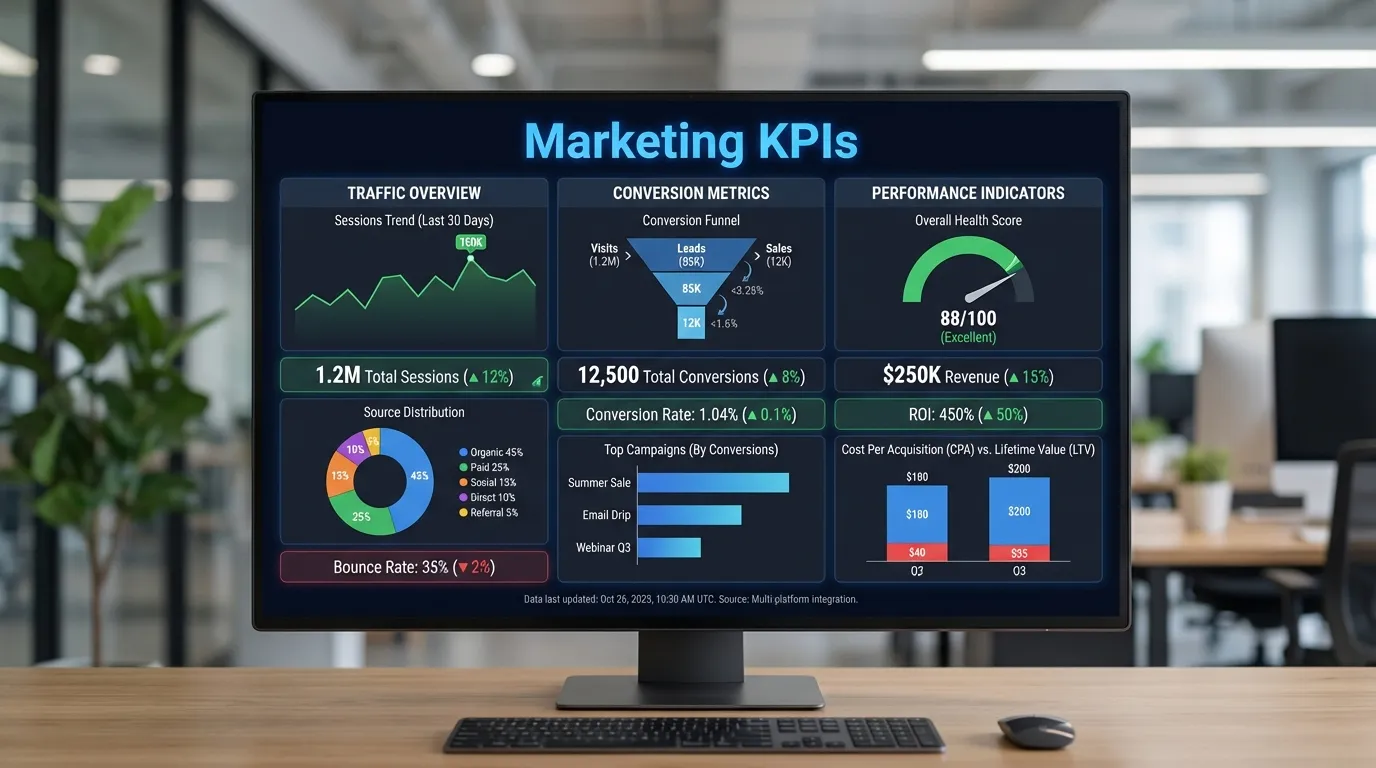
Sales Funnel Metrics You Should Track
Conversion Rate
Percentage of users converting.
Click Through Rate
Measure engagement.
Customer Acquisition Cost
Cost to acquire customers.
Lifetime Value
Total value of a customer.
Future of Sales Funnels
AI Integration
Automated personalization.
Interactive Funnels
More engaging experiences.
Omnichannel Funnels
Across multiple platforms.
Data Driven Decisions
Better optimization.
Short Summary
Understanding what is a sales funnel helps businesses guide users from awareness to purchase and improve conversions effectively.
Conclusion
A sales funnel is not just a concept—it’s a powerful system that drives business growth.
If you:
- Understand your audience
- Create valuable content
- Guide users step by step
You can turn visitors into customers consistently.
Start building your funnel today—and watch your results grow.