
Introduction
Why do some brands create campaigns that instantly resonate with their audience—while others struggle to gain attention? The answer lies in understanding one powerful principle: Brands that listen to their customers grow. Brands that don’t… disappear. As consumer expectations evolve and competition intensifies, businesses can no longer make assumptions about what customers want. That’s why having a strong voice of the customer strategy (VoC strategy) is crucial in 2026 and beyond. A VoC strategy helps you gather insights, decode customer motivations, and understand their experiences deeply enough to shape products, content, marketing, and user journeys that truly connect. In this blog, you'll learn: What Voice of the Customer means; Why it is essential in digital marketing; The key components of a winning VoC strategy; How to collect, analyze, and use VoC data; Real examples, insights, actionable tips; Mistakes to avoid and best practices.
What Is Voice of the Customer (VoC)?
Understanding the Voice of the Customer Strategy
Voice of the Customer is a structured approach to capturing customers’ needs, expectations, perceptions, and feedback to improve business decisions. It answers questions like: What do customers want? Why do they choose your product—or leave? What frustrates them? What motivates them? A VoC strategy shapes marketing messages, product development, customer experience, and more.
Why Voice of the Customer Matters
Digital marketing today is driven by personalization, relevance, trust, and emotional connection. VoC helps brands meet those expectations.
Importance of Voice of the Customer in Digital Marketing
1. Creates Customer-Centric Marketing Campaigns
VoC helps craft messaging that resonates.
Example
Generic: “Buy our skincare cream.” VoC-driven: “A solution created for sensitive skin—recommended by customers like you.”
2. Improves User Experience
VoC reveals navigation issues, pain points, and conversion barriers.
3. Enhances Product Development
Feedback-driven improvements lead to better retention.
4. Strengthens Brand Loyalty
Customers trust brands that listen.
5. Increases Marketing ROI
Targeted messaging boosts engagement.
Key Components of an Effective VoC Strategy
1. Listening Channels
Surveys, reviews, social listening, support tickets, analytics, communities.
2. Analysis Framework
Categorize feedback, identify trends, measure sentiment.
3. Action Plan
Assign owners, timelines, and expected outcomes.
4. Continuous Improvement
VoC is ongoing.
How to Build a Successful VoC Strategy (Step-by-Step)
Step 1: Define Your Goals
Improve features, retention, onboarding, conversions.
Step 2: Choose Feedback Channels
Select the most relevant sources.
Step 3: Collect VoC Data
Surveys, interviews, analytics, social listening.
Step 4: Analyze Insights
Find pain points, motivations, barriers.
Step 5: Implement Changes
Apply improvements to sites, products, campaigns.
Step 6: Measure Impact
Track KPIs: engagement, conversions, NPS.
Best Practices for Using VoC in Digital Marketing
Use VoC for Content Strategy
Use customer language in ads and content.
Personalize Experiences
VoC enables targeted messaging.
Align Teams
Marketing, sales, support should share VoC data.
Build Personas
Use real customer insights.
Avoid Bias
Consider negative feedback equally.
VoC Strategy Examples
E-Commerce Example
Feedback: “Shipping too slow.” Action: Faster options. Result: 24% more repeat purchases.
SaaS Example
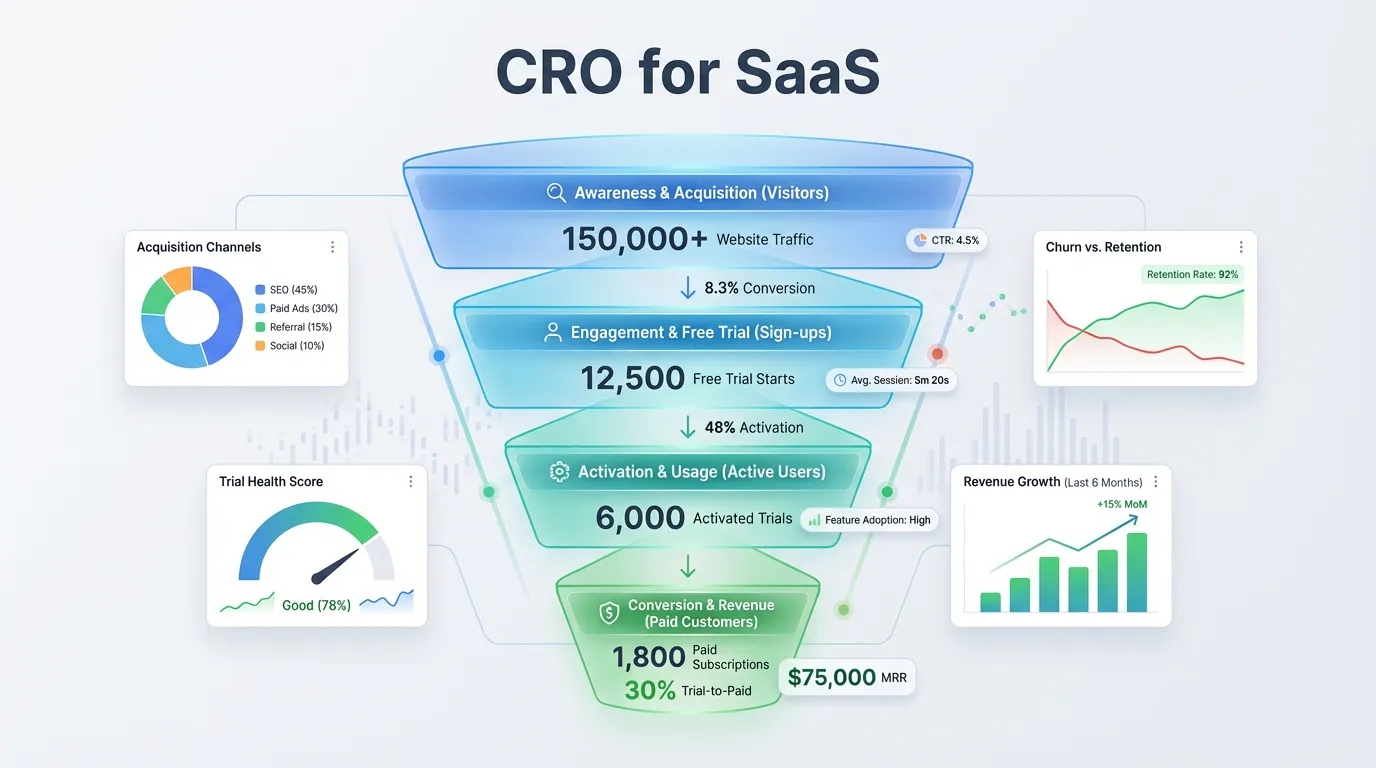
Feedback: “Dashboard confusing.” Action: Redesign. Result: 35% feature adoption increase.
Fitness App Example
Feedback: “Need beginner workouts.” Action: Add programs. Result: Higher retention.
Common Mistakes to Avoid
Collecting feedback without action; relying on one channel; asking biased questions; ignoring negative feedback; inconsistency.
Short Summary
Voice of the Customer helps brands understand expectations and behaviors. Strong VoC programs boost UX, conversions, retention, and marketing performance.
Conclusion
In an era where attention spans are shrinking and competition is rising, simply marketing products isn’t enough. Brands must understand why customers buy, how they behave, and what they feel at each stage of their journey.
- Build deeper relationships
- Create relevant content
- Improve products based on real needs
- Increase conversions and ROI
- Stay ahead of competitors
- Businesses that listen win.
- Businesses that ignore customer voices fade into the background.