Introduction
Have you ever wondered why some ads instantly grab your attention while others disappear from your memory in seconds? Why do certain brands make you feel something, trust them more, or act without hesitation?
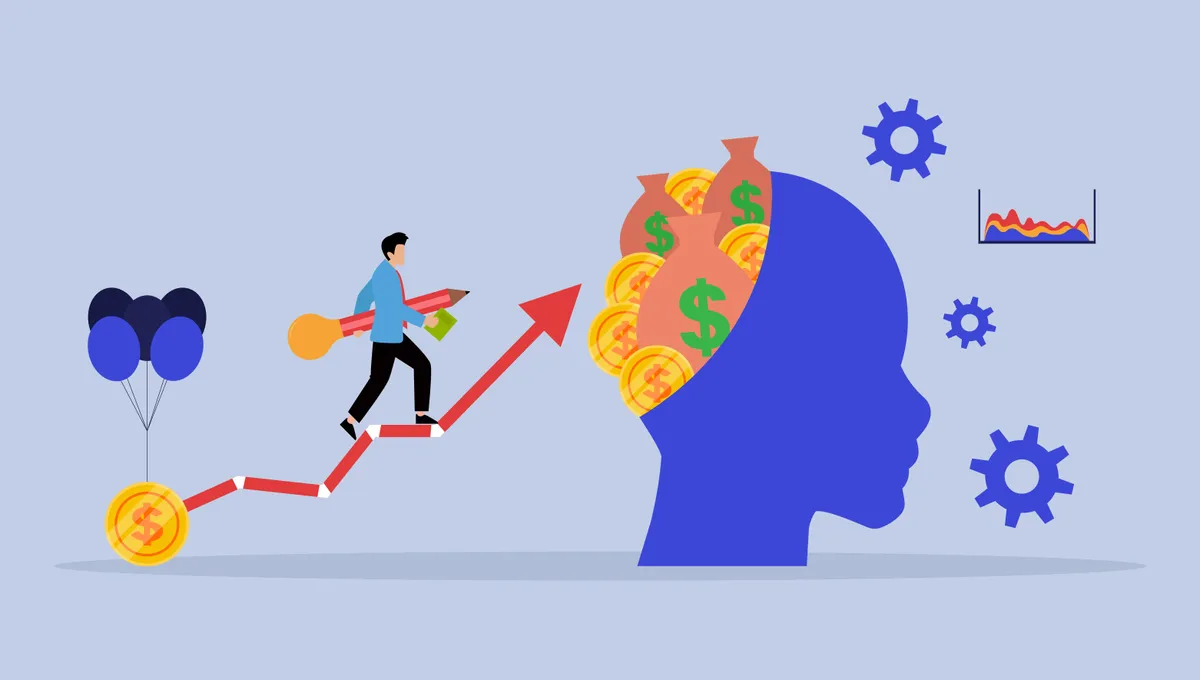
The secret lies not in luck — but in marketing psychology.
Behind every viral commercial, every high-converting Facebook ad, and every irresistible billboard is a deeply rooted psychological principle influencing human decision-making.
Marketers who understand psychology don't just sell products — they create emotional connections, shape perceptions, and influence behavior.
In this blog, you’ll learn:
- What marketing psychology is
- Why psychological triggers make ads more effective
- The key psychological principles used in successful campaigns
- Real-world examples from top brands
- Actionable tips to apply these techniques ethically
- A step-by-step strategy to build psychologically compelling ads
By the end, you’ll know exactly how to use marketing psychology to create ads that attract attention, influence decisions, and drive conversions.
What Is Marketing Psychology?
Marketing psychology is the science of understanding how consumers think, feel, and behave during the buying process. It merges:
- Behavioral psychology
- Emotional triggers
- Consumer decision-making
- Neuromarketing
- Persuasion principles
In simple terms:
Marketing psychology helps brands understand what motivates people — and how to influence their actions.
Brands use these insights to craft:
- Ads
- Landing pages
- Email campaigns
- Product pages
- Social media content
…that resonate emotionally and convert effectively.
Why Psychology Matters in Advertising
1. Humans Make Emotional Decisions
Studies show 95% of purchasing decisions are subconscious.
Emotion first, logic second.
2. Attention Spans Are Shrinking
The average person scrolls past hundreds of ads daily. Only psychologically engaging ads stand out.
3. Consumers Want Connection
People trust brands that understand their desires, fears, and motivations.
4. Psychology Improves Conversions
From CTAs to visuals, psychology-backed choices directly increase:
- Click-through rates
- Engagement
- Sales
Core Psychological Principles Used in Successful Ad Campaigns
1. The Principle of Social Proof
Humans look for validation before making decisions.
How Ads Use Social Proof
- Testimonials
- Celebrity endorsements
- Influencer reviews
- “Join 1 million customers!”
- Case studies
Example
Airbnb uses reviews to build trust and encourage bookings.
How You Can Use It
- Add customer testimonials to ads
- Use real data (“Trusted by 10,000 professionals”)
- Highlight social media engagement
2. Scarcity and Urgency Triggers
Scarcity makes people act now instead of later.
Types of Scarcity
- Limited stock
- Limited time
- Exclusive access
Examples
- Amazon: “Only 2 left in stock”
- Booking.com: “12 people looking at this hotel”
Why It Works
People fear missing out — this is the psychological trigger known as FOMO.
3. Emotional Storytelling
Storytelling activates emotional centers in the brain, forming stronger memory connections.
Why Stories Work
They trigger empathy, imagination, and emotional connection.
Example
Nike ads don’t sell shoes — they sell inspiration, success, and identity.
How to Use It
- Tell customer success stories
- Use before/after transformations
- Create emotional narratives
4. The Mere Exposure Effect
The more people see your brand, the more they trust it.
Where It’s Used
- Retargeting ads
- Consistent branding
- Repetitive messaging
Example
Coca-Cola’s global campaigns focus on consistent visuals and emotional themes.
5. Color Psychology in Advertising
Colors influence emotions and perceptions.
| Color | Emotion Triggered | Used By |
|---|---|---|
| Red | Excitement, urgency | Coca-Cola, YouTube |
| Blue | Trust, calm | Facebook, LinkedIn |
| Yellow | Happiness, optimism | McDonald's |
| Green | Balance, growth | Starbucks |
| Black | Luxury, power | Gucci |
Tip
Choose colors that match your brand’s message.
6. Anchoring Effect
Anchoring makes a price seem more attractive by showing a higher reference point first.
Example
- Original price: ₹1999
- Sale price: ₹999
The second price feels like a bargain.
Where Anchoring Works
- E-commerce ads
- Subscription pricing
- Limited-time offers
7. The Reciprocity Principle
People tend to return favors when they receive value.
Example
Giving free ebooks, guides, trials, or webinars increases sign-ups.
How to Use Reciprocity
- Offer value before selling
- Give free tutorials
- Provide actionable checklists
8. Authority Bias
People trust experts, leaders, and authoritative brands.
Examples
- "Recommended by dentists"
- “Featured in Forbes, Times, Entrepreneur”
Authority increases credibility.
9. The Fear Appeal Technique
Fear-based messaging works when paired with hope or solutions.
Examples
- Anti-smoking ads
- Cybersecurity warnings
But must be used ethically — never manipulate or cause harm.
10. Cognitive Fluency (Make It Easy)
People prefer ads that are simple, clear, and easy to understand.
Elements of Fluent Ads
- Short headlines
- Clean visuals
- Emotional hooks
Complex ads reduce conversions.
Examples of Successful Campaigns Using Marketing Psychology
1. Apple – Minimalistic Emotional Branding
Apple uses:
- Minimal design
- Emotional storytelling
- Identity-based messaging (“Think Different”)
They sell not tech — but lifestyle.
2. Dove – Real Beauty Campaign
Trigger: Empathy + emotional storytelling
Dove used real women instead of models, creating a global movement.
3. Spotify Wrapped
Trigger: Personalization
Users share their stats, creating viral engagement.
4. Old Spice – The Man Your Man Could Smell Like
Trigger: Humor + exaggeration
The ad went viral because it emotionally entertained viewers.
5. McDonald’s “I’m Lovin’ It”
Trigger: Repetition + emotional association
Repeating the phrase builds memory over time.
How to Apply Marketing Psychology in Your Own Ads (Step-by-Step)
Step 1: Understand Your Audience
Know their:
- Pain points
- Desires
- Motivations
- Fears
- Aspirations
Step 2: Choose the Right Psychological Trigger
Examples:
- Scarcity for limited-time sales
- Authority for expert-driven brands
- Storytelling for emotional products
Step 3: Craft a Strong Message
Use:
- Emotional language
- Clear CTAs
- Benefits over features
Step 4: Use Visual Psychology
Colors and imagery must match your brand tone.
Step 5: Add Social Proof
Include reviews or data-backed credibility.
Step 6: Test and Optimize
Run A/B tests for:
- Headlines
- Visuals
- CTA placement
- Psychological triggers
Tools That Enhance Psychology-Based Advertising
Analytics Tools
- Google Analytics
- Mixpanel
Behavior Tools
- Hotjar
- Crazy Egg
Ad Creation Tools
- Canva
- Adobe Express
Copywriting Tools
- Jasper
- Grammarly
Common Mistakes in Marketing Psychology
❌ Overusing fear tactics
❌ Manipulating customers
❌ Cluttered messaging
❌ Poor audience understanding
❌ Using too many triggers at once
Keep it ethical, simple, and focused.
Short Summary
Marketing psychology helps brands influence consumer behavior ethically using emotional triggers, storytelling, social proof, color theory, and behavioral science. When used correctly, it increases engagement, conversions, and long-term brand loyalty.
Conclusion
The most successful ad campaigns don’t rely on creativity alone — they rely on psychology.
By understanding how people think, feel, and respond, you can create ads that:
- Capture attention
- Trigger emotion
- Build trust
- Drive action
Whether you're running a small business or a global brand, integrating psychology into your marketing gives you a competitive advantage that leads to stronger, more meaningful connections with your audience.
Use these psychological principles wisely — and watch your marketing transform.