Introduction
Did you know that most website visitors leave within 8 seconds if they don’t find what they’re looking for? That’s why landing pages are one of the most powerful tools in digital marketing—and yet one of the most misunderstood. Many businesses spend money on ads but send users to poorly optimized pages that fail to convert.
The good news? You can dramatically improve conversions by mastering landing page optimization. In this guide, you’ll learn how to write high-converting landing pages, backed by proven psychology, real examples, and actionable steps. Whether you're a marketer, entrepreneur, student, or beginner, this article will help you create landing pages that engage, persuade, and convert your audience.
Let’s dive in.
Understand the Purpose of a Landing Page
What Makes a Landing Page Different?
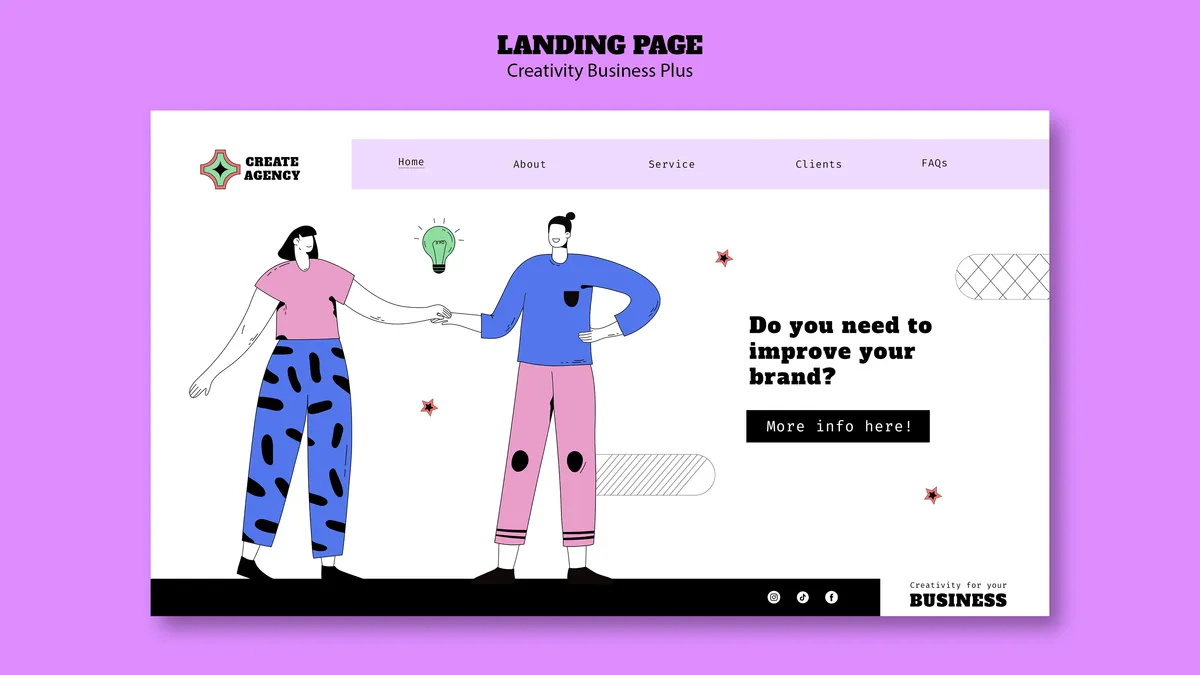
A landing page is not a homepage.
A homepage welcomes visitors.
A landing page drives a single action.
Common Goals of a Landing Page
- Collect leads
- Sell a product
- Promote a webinar
- Build an email list
- Offer a free trial
- Drive sign-ups
Example
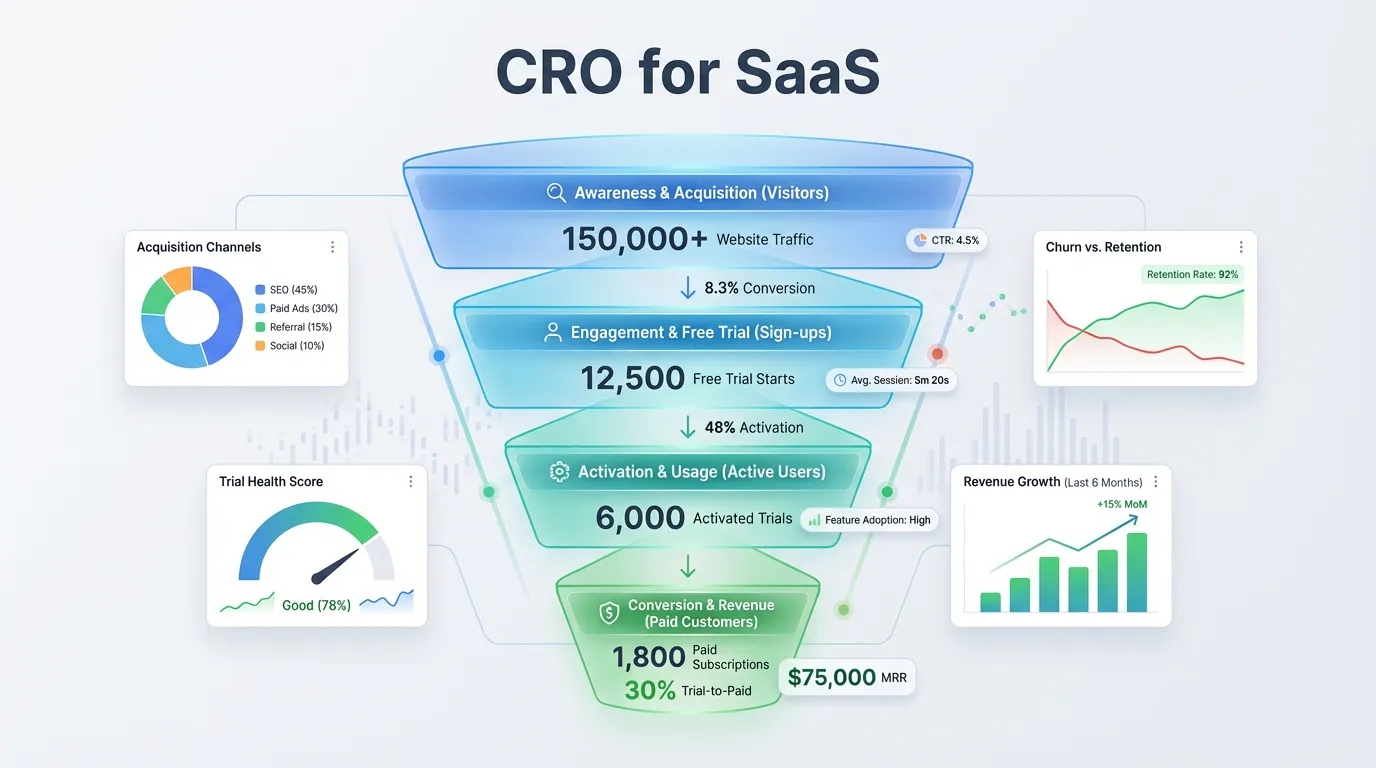
A SaaS company uses a landing page specifically to convert visitors into free trial users.
Start With a Clear Value Proposition
Why Your Value Proposition Matters
Your value proposition is the first thing users read. It must answer:
- What do you offer?
- Why is it valuable?
- Why should someone choose you over competitors?
Example
Slack’s landing page once used the headline:
“Where Work Happens.”
Short. Powerful. Clear.
Tips
- Keep it concise
- Focus on benefits, not features
- Make it immediately visible above the fold
Use a Strong, Benefit-Focused Headline
The Role of the Headline
Your headline determines whether a visitor stays or leaves. It should communicate clarity + value in a single sentence.
Good Headline Formula
“[Benefit] Without [Pain Point]”
Example:
“Get More Sales Without Spending More on Ads”
Avoid
- Vague statements
- Buzzwords without meaning
- Overly long headlines
Write Clear and Persuasive Subheadings
Why Subheadings Matter
Subheadings guide users through the page and improve readability. They should reinforce the main benefit and introduce supporting points.
Tip
Use LSI keywords such as “conversion rate,” “landing page copy,” and “CTA optimization” naturally.
Focus on Benefits, Not Features
Benefits Tell the Story—Features Support It
Features describe what something does.
Benefits describe why it matters.
Example
Feature: “Unlimited cloud storage”
Benefit: “Store all your files safely without worrying about space.”
Actionable Tip
For each feature, ask:
“How does this improve the user’s life?”
Create a Simple and Compelling CTA (Call-To-Action)
Why CTAs Are Critical
Your CTA is the conversion point. A weak CTA = low conversions.
Characteristics of a High-Converting CTA
- Action-oriented
- Clear and specific
- Highly visible
- Emotionally persuasive
Examples
- “Start Your Free Trial”
- “Download the Guide”
- “Get Instant Access”
Pro Tip
Use first-person language:
“Show Me My Results” converts better than “Show Your Results.”
Use Social Proof to Build Trust
The Power of Social Proof
People trust brands others trust. Social proof reduces hesitation, increases confidence, and improves conversions.
Types of Social Proof
- Testimonials
- Case studies
- Reviews
- User statistics
- Logos of well-known clients
Example
“Join 50,000+ marketers using our software.”
Keep Your Landing Page Design Simple and Clean
Why Simplicity Matters
A cluttered design confuses visitors. Clean layouts improve focus and increase conversions.
Design Tips
- Use whitespace
- Highlight your CTA
- Avoid unnecessary navigation links
- Keep your color palette minimal
Heatmap Insight
Users focus most on headlines, images, and CTAs. Place your best content there.
Optimize Landing Page Speed and Performance
Slow Pages Hurt Conversions
A 1-second delay can reduce conversions by up to 20%.
Optimization Steps
- Compress images
- Use a fast hosting provider
- Minify CSS and JavaScript
- Enable browser caching
Tools to Test Speed
- GTmetrix
- Google PageSpeed Insights
Use High-Quality, Relevant Images
Why Images Matter in Landing Page Optimization
Images create emotional connection and help users visualize benefits.
Best Practices
- Use real product photos
- Avoid stock images that look generic
- Add visuals that support your message
Write Persuasive, User-Focused Copy
Copywriting Principles for High Conversions
Your copy should be:
- Clear
- Concise
- Benefit-driven
- Emotionally persuasive
Use the PAS Formula
- Problem — Describe the pain
- Agitate — Intensify the emotion
- Solution — Present your offer
Example
Problem: “Struggling to get website traffic?”
Agitate: “You publish content but no one sees it.”
Solution: “Use our proven SEO toolkit to rank faster.”
Add Trust Elements and Remove Friction
Trust-Building Elements
- SSL badge
- Money-back guarantee
- Data security icons
- Transparent pricing
- Customer support accessibility
Reduce Friction by
- Minimizing form fields
- Removing unnecessary text
- Making navigation simple
Use A/B Testing to Improve Conversions
What Is A/B Testing?
A/B testing compares two versions of a landing page to see which performs better.
What to Test
- CTAs
- Headlines
- Images
- Layout
- Colors
Example
Version A: “Start Free Trial”
Version B: “Try It Free for 14 Days”
The winner becomes your new standard.
Optimize Landing Pages for Mobile Users
Why Mobile Optimization Matters
More than 60% of users interact with landing pages on mobile devices.
Mobile-Friendly Tips
- Use large, readable fonts
- Keep CTA buttons thumb-friendly
- Optimize images
- Limit scrolling
Add Persuasive Visual Hierarchy
Visual Hierarchy Helps Guide Users
Use elements such as:
- Font size
- Color contrast
- Highlighted CTAs
- Section dividers
- Icons
This directs users’ eyes toward the CTA.
Understand User Intent and Match It
Why User Intent Matters
Visitors click because they expect a specific solution. Your landing page must fulfill that promise.
Example
If your ad says “Free SEO Checklist,” your landing page MUST deliver that checklist immediately.
Short Summary
High-converting landing pages combine strong messaging, persuasive design, and user-centered optimization. When you understand user intent, focus on benefits, write compelling copy, and optimize performance, your landing pages can significantly increase leads, sales, and engagement.
Conclusion
Landing page optimization is both an art and a science. You now understand how to write high-converting landing pages using proven strategies such as clear value propositions, benefit-driven copy, social proof, persuasive CTAs, and continuous A/B testing. Remember, small improvements can lead to major conversion increases over time. Keep refining, keep testing, and keep focusing on the user experience. That’s how winning landing pages are built.