
Introduction
Marketing in 2026 has become smarter, faster, and more competitive than ever before. Traditional guesswork-based marketing is no longer enough. Today, companies rely heavily on data-driven marketing—a strategy that uses analytics, insights, and measurable performance data to guide every marketing decision.
From understanding customer behavior to optimizing ads and improving conversions, data analytics helps marketers make smarter decisions, reduce wasted spend, and increase overall ROI.
If you’ve ever wondered:
- How brands know exactly what customers want
- How ads seem so personalized
- How companies increase conversions with small tweaks
- How marketers measure campaign success
… the answer is data analytics.
In this comprehensive guide, you’ll learn:
- What data-driven marketing is
- Why data analytics matters in campaigns
- Types of marketing data you should track
- How to use analytics in each stage of a campaign
- Tools you can use
- Real examples and step-by-step methods
- Best practices for using data responsibly
Let’s break it all down.
What Is Data-Driven Marketing?
Data-driven marketing is a strategic approach where campaign decisions are based on:
- Consumer behavior
- Data insights
- Performance metrics
- Predictive modeling
- Real-time analytics
Instead of guessing what might work, marketers use data to understand:
- Who the target audience is
- What content they prefer
- When they are likely to engage
- Which channels perform best
- Why conversions happen
- Where improvements are needed
This leads to smarter, more profitable marketing.
Why Data Analytics Matters in Marketing Campaigns
1. Better Audience Targeting
Data analytics reveals detailed customer profiles including:
- Age, location, gender
- Interests and purchase history
- Browsing behavior
- Social media activity
- Buying patterns
Example:
If analytics shows that 80% of customers who buy your product come from Instagram, you can concentrate your budget there.
2. Improved Personalization
Personalized marketing increases conversions by 2–3x.
Data allows you to personalize:
- Emails
- Ads
- Website experience
- Product recommendations
Example:
Amazon’s “Recommended for You” is powered entirely by data analytics.
3. Higher Marketing ROI
You can identify which channels waste money and which bring results.
Data helps answer questions like:
- Which keywords convert best?
- Which campaigns drain the budget?
- Which audiences are most profitable?
4. Faster Decision Making
With real-time analytics, marketers don’t need to wait weeks to evaluate performance. They can optimize instantly.
Example:
If your Google Ads CPC suddenly spikes, data alerts you to adjust targeting or pause keywords.
Types of Data Used in Data-Driven Marketing
1. Demographic Data
2. Behavioral Data
3. Engagement Data
4. Transactional Data
5. Psychographic Data
These data types help marketers understand the who, what, where, why, and how of customer behavior.
How to Use Data Analytics in Marketing Campaigns
Below is a complete, step-by-step breakdown of how you can apply analytics to plan, execute, and optimize campaigns across channels.
1. Set Clear, Measurable Marketing Goals
Before collecting data, define specific metrics.
Brand Awareness Goals
- Increase impressions
- Boost website traffic
- Grow social followers
Performance Goals
- Reduce cost-per-lead
- Improve click-through rate
- Increase conversion rate
Sales Goals
- Boost online sales by 20%
- Reduce cart abandonment
- Improve upsell performance
2. Use Data to Understand Your Target Audience
Identify Customer Segments
Data analytics helps segment customers into groups like:
- High-value customers
- First-time buyers
- Repeat purchasers
- Cart abandoners
- Discount-only buyers
Create Data-Driven Buyer Personas
Example persona:
“Tech-Savvy Student”
- Age: 18–25
- Devices: Mobile-heavy
- Behavior: Watches YouTube tutorials
- Motivation: Best value for money
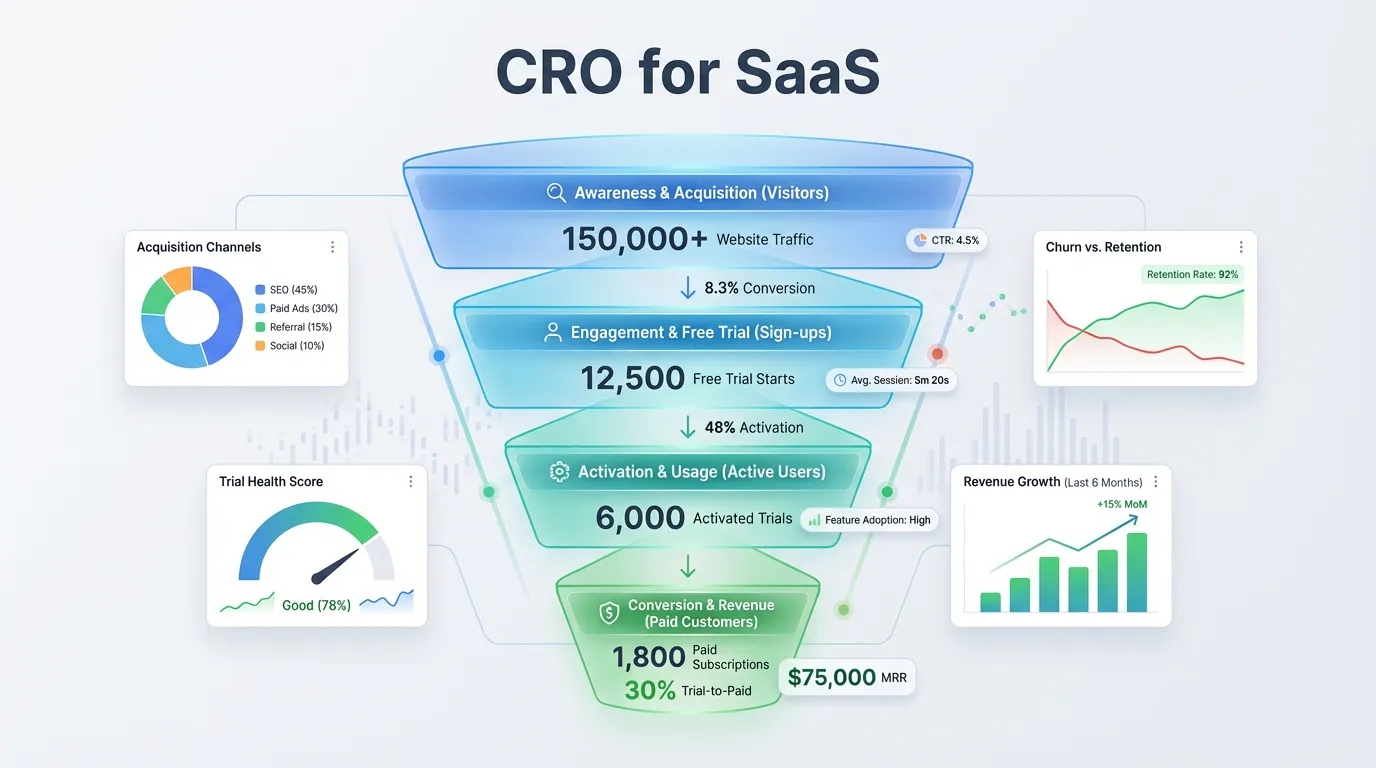
3. Analyze Customer Journey Data
The customer journey includes:
- Awareness
- Consideration
- Decision
- Retention
Use data to understand:
- Which channels bring awareness
- What content drives consideration
- What triggers conversions
- Why customers churn
Example:
If analytics show customers often drop off during checkout, you may need to:
- Reduce form fields
- Offer guest checkout
- Add trust badges
4. Use Data Analytics for Content Strategy
Find High-Performing Content
Analytics tells you:
- Which blog posts attract the most traffic
- Which videos get the longest watch time
- Which social posts go viral
Identify Content Gaps
Tools like SEMrush or Ahrefs reveal:
- Competitor keywords
- Missing content topics
- New opportunities
Optimize Content Based on Data
If an article ranks #8 but has high impressions, improve:
- Depth
- FAQs
- Internal links
- Updated statistics
5. Use Data in Paid Advertising Campaigns
Keyword Optimization
Data shows:
- High-intent keywords
- Budget-wasting terms
- Best-performing search phrases
Audience Optimization
Analytics refines:
- Demographics
- Interests
- Lookalikes
- Custom audiences
Creative Optimization
Test:
- Headlines
- Images
- Calls-to-action
- Video hooks
Budget Optimization
Shift budget to:
- Best-performing campaigns
- Highest ROI ad sets
- Lowest CPA audiences
6. Use Predictive Analytics
Predictive analytics uses machine learning to forecast:
- Customer churn
- Purchases
- Product demand
- Campaign performance
Tools like Google Analytics 4 and HubSpot include prediction models.
7. Use A/B Testing for Continuous Improvement
Test different versions of:
- Landing pages
- Emails
- Ads
- CTA buttons
Example:
A vs B:
- “Buy Now”
- “Claim Your Offer Today”
Data reveals the winner.
8. Track Campaign Performance in Real Time
Monitor:
- CTR
- CPC
- Conversion rate
- Bounce rate
- CLV
- ROAS
Real-time data helps stop low-performing campaigns fast.
9. Improve Customer Retention Using Analytics
Retention Metrics
- Repeat purchase rate
- Churn rate
- Upsell performance
- NPS score
Fix Retention Problems Using Data
If customers drop after 30 days:
- Send re-engagement emails
- Offer loyalty rewards
- Personalize product recommendations
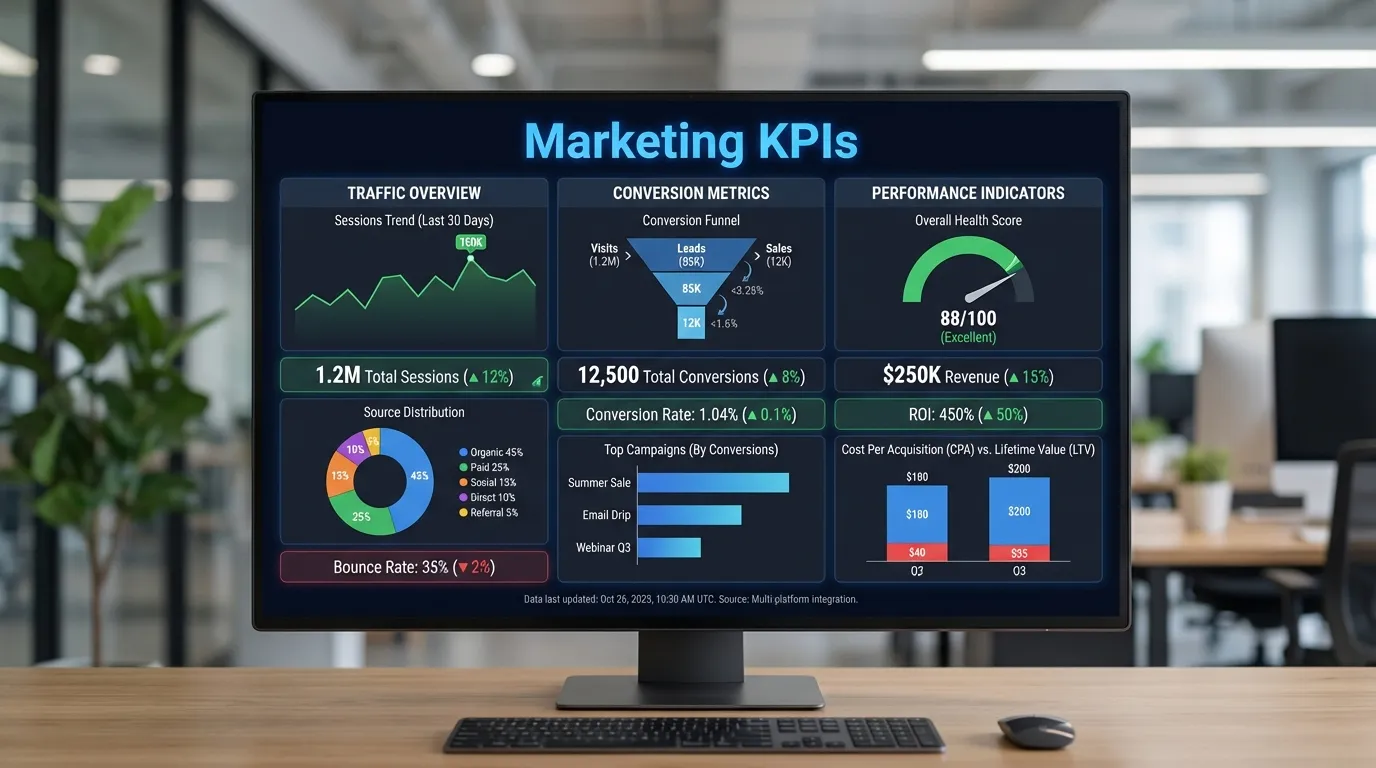
10. Build Data Dashboards for Reporting
Dashboards visualize:
- Sales
- Traffic
- Leads
- Audience performance
- ROI trends
Tools:
- Google Data Studio
- Tableau
- Power BI
Short Summary
Data-driven marketing uses analytics to optimize campaigns, understand audiences, and improve ROI. From content optimization to paid ads and retention strategies, data guides better decisions at every stage.
Conclusion
Data analytics is no longer optional for marketers—it is essential. Brands that use data outperform competitors, reduce wasted spend, and deliver highly personalized customer experiences. Start small, analyze consistently, and let data guide your marketing strategy for maximum growth.