Introduction
You can create the best blog post, video, or social media content—but if it doesn’t reach the right audience or achieve a goal, it’s just noise.
This is where a content marketing plan becomes your biggest advantage.
Instead of randomly posting content and hoping for results, a well-structured plan helps you attract, engage, and convert your audience strategically. Whether you're a student, beginner, or business owner, mastering a content marketing plan can completely transform your digital growth.
In this guide, you’ll learn:
- What a content marketing plan is
- Why it’s essential for success
- Step-by-step process to create one
- Real-world examples and strategies
- Expert tips to maximize results
By the end, you’ll be able to build a clear, actionable, and results-driven content marketing plan.
What is a Content Marketing Plan
A content marketing plan is a strategic roadmap that outlines how you will create, publish, and manage content to achieve business goals.
Simple Definition
A content marketing plan answers:
- What content to create
- Who it is for
- Where to publish
- When to publish
- Why it matters
Why a Content Marketing Plan is Important
Without a plan, content becomes inconsistent and ineffective.
Consistency
Helps you publish regularly.
Targeted Strategy
Focuses on the right audience.
Better ROI
Maximizes return on effort and investment.
Clear Direction
Avoids confusion and random posting.
Key Elements of a Content Marketing Plan
Goals
Define what you want to achieve.
Examples
- Increase website traffic
- Generate leads
- Build brand awareness
Target Audience
Understand your audience.
Include
- Age
- Interests
- Problems
- Behavior
Content Types
Decide what to create.
Examples
- Blogs
- Videos
- Infographics
- Social posts
Distribution Channels
Where your content will be published.
Examples
- Website
- Social media
Content Calendar
Schedule your content.
Step by Step Content Marketing Plan
Step 1 Define Your Goals
Start with clear objectives.
Example
- Get 10k monthly traffic
- Generate 100 leads
Step 2 Identify Your Target Audience
Create buyer personas.
Example
- Students learning digital marketing
- Business owners
Step 3 Perform Keyword Research
Find what people are searching.
Tools
- Google Keyword Planner
- Ubersuggest
Step 4 Choose Content Types
Match content with audience needs.
Step 5 Create Content Calendar
Plan weekly or monthly content.
Step 6 Create High Quality Content
Focus on:
- Value
- Clarity
- Engagement
Step 7 Distribute Content
Promote content on multiple platforms.
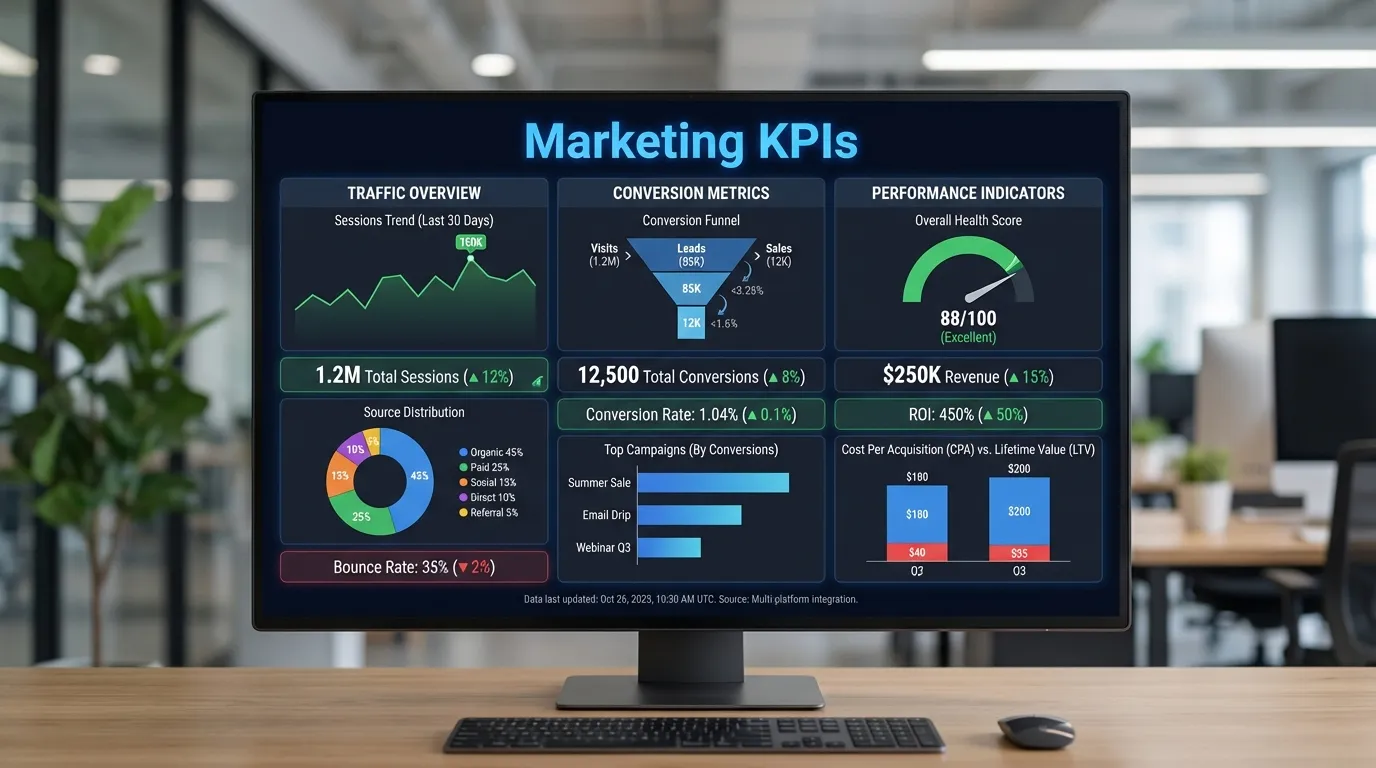
Step 8 Measure Performance
Track results.
Metrics
- Traffic
- Engagement
- Conversions
Types of Content Marketing
Blog Content
Best for SEO.
Video Content
High engagement.
Social Media Content
Quick reach.
Email Marketing
Direct communication.
Infographics
Visual content.
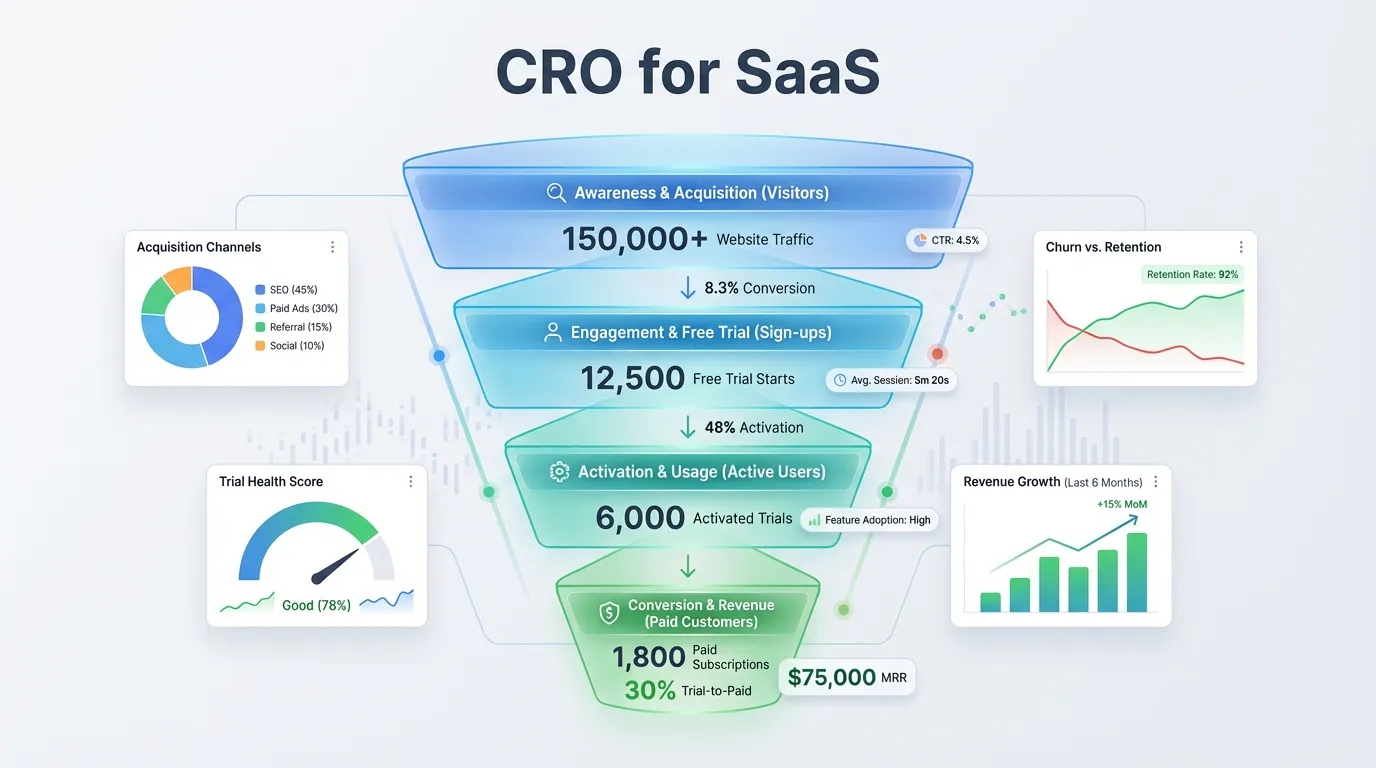
Content Marketing Funnel
Awareness Stage
User discovers your content.
Consideration Stage
User evaluates options.
Conversion Stage
User takes action.
Content Marketing vs Traditional Marketing
| Feature | Content Marketing | Traditional Marketing |
|---|---|---|
| Cost | Low | High |
| Engagement | High | Low |
| Longevity | Long term | Short term |
| Targeting | Precise | Broad |
Real World Example
A blog website:
- Publishes SEO blogs
- Gets traffic from Google
- Converts readers into leads
Common Mistakes to Avoid
No Clear Strategy
Leads to random content.
Ignoring SEO
Content won’t rank.
Not Understanding Audience
Content becomes irrelevant.
Inconsistent Posting
Loses audience interest.
Best Practices for Content Marketing Plan
Focus on Value
Solve real problems.
Be Consistent
Follow a schedule.
Optimize for SEO
Use keywords properly.
Repurpose Content
Reuse content in different formats.
Track Results
Always analyze performance.
Advanced Content Marketing Strategies
Topic Clusters
Create related content around one topic.
Content Repurposing
Convert blog into video or post.
Personal Branding
Build authority.
Data Driven Strategy
Use analytics for decisions.
Short Summary
A content marketing plan is a structured approach to creating and distributing content that drives traffic, engagement, and conversions.
Conclusion
Creating content without a plan is like driving without a destination.
A strong content marketing plan helps you stay focused, consistent, and effective in achieving your goals.
By following the steps in this guide, you can build a powerful strategy that:
- Attracts the right audience
- Builds trust
- Drives results
In today’s digital world, content is not just king—it’s your growth engine.