Introduction
In the hyper-saturated, AI-driven digital landscape of 2026, many businesses are sitting on a "Gold Mine" they have completely forgotten about: their Archives. You might have hundreds of blog posts written over the last decade that are currently generating zero traffic and zero revenue. While your competition is focused on the "New Content Treadmill," the most elite digital marketers are using Historical Content Optimization to double their organic traffic in half the time. This is the definitive manual on Content Optimization Strategy for Old Blogs.
A successful optimization strategy is the systematic process of "Reviewing, Updating, and Pruning" your existing library of content. In 2026, with Google’s "Helpful Content System" and "SGE (Search Generative Experience)" evolving weekly, keeping your old content "Fresh" is no longer optional—it is a requirement for "Domain Trust." If your site is 70% "Outdated Garbage," your remaining 30% of "Good Content" will be algorithmically de-valued. This is about "Cleaning the slate" and "Hardening your authority."
In this exhaustive 2,500+ word master guide, we will break down the exact procedural steps to optimize your archive. We will explore the "Historical Performance Audit," the shift toward "Semantic Intent Alignment," the role of "Structural UX" in 2026, and how to measure the "Performance Bounce" after an update. By the end of this read, you will have a Content Optimization Strategy for Old Blogs that turns your forgotten pages into high-ranking lead magnets.
Why You Must Master Content Optimization Strategy for Old Blogs
The primary reason most businesses fail to grow is Content Bloat. They have thousands of "Thin" or "Outdated" pages that waste "Crawl Budget" and lower the "Average Quality Score" of the entire domain.
In 1026, the global algorithm rewards "Information Freshness." If a user searches for "Best SEO Tools" and your top-ranking post still lists tools from 2018, your "Bounce Rate" will spike, and Google will drop your rank within 48 hours. Understanding Content Optimization Strategy for Old Blogs is about moving from "Volume" to "Velocity."
Phase 1: The Historical Performance Audit (Punt, Pass, or Play)
Before you update a single word, you must perform a "Cold-Hearted" data audit of your entire archive.
1. Identifying the "Winners" (The "Play" List)
- The Strategy: Use Google Search Console (GSC) to find pages that are currently in positions 11-30 (The "Second Page"). These are your highest-ROI targets.
- The Fix: A 20% improvement in content quality on these pages can move them to Page 1, which can increase traffic by 500% virtually overnight.
2. Identifying the "Dead Wood" (The "Punt" List)
- The Strategy: Use the 0-0-12 Rule: If a post has Zero Traffic, Zero Conversions, in the last 12 months, it is a "Liability."
- The Action: Delete it (410 Status) or Noindex it. Removing this "Rot" from your site is often the single most effective way to boost the rankings of your other good pages.
Phase 2: Structural Integrity and UX Updating (2026 Mobile Standards)
Once you have your list of "Winners," you must fix the "Visual and Structural" debt.
1. The Mobile-First UX Check
- The Strategy: View the old blog on a modern 2026 smartphone. Are the paragraphs too long? Is the font too small? Is there a giant, annoying pop-up?
- The Blueprint: Break every paragraph into 2-3 sentences max. Use Bold H2/H3 Headings every 200-300 words. In 1026, if a user can't "Skim and Win" in 5 seconds, they will leave.
2. Replacing Broken Links and Outdated Media
- The Tactic: Use a broken-link checker to find 404 errors in your outbound links. Replace them with current, high-authority citations.
- The Blueprint: Replace low-resolution "Stock Photos" from 2015 with high-quality original screenshots, infographics, or a short "Video Summary" of the post.
Phase 3: Semantic Logic and E-E-A-T Hardening (The Trust Era)
In 2026, you must prove that your old content is still "Authoritative" and "Expert-Led."
1. The "Updated On" Timestamp Strategy
- The Strategy: Don't just change the text; change the "Date." (e.g., "Last Updated: [Current Month] [Year]").
- The Benefit: This tells both the user and the search bot that the information is "Fresh." Google’s AI models prioritize "Freshness" for transactional and technical queries.
2. Adding Modern "Expertise" Signals
- The Blueprint: Rewrite the "Author Bio" to include 2026 credentials. Add "External Citations" to recent academic studies or current industry news. This "Hardens" the E-E-A-T score of the old page.
Phase 4: Intent Alignment and The "Inverted Pyramid" Shift
Old blogs were often written for "Search Bots" first. You must rewrite them for "Humans" first.
- The Inverted Pyramid: Place the exact "Direct Answer" to the user's primary question in the first 50-100 words.
- The Result: This satisfies the "Immediate Gratification" intent of 2026 search users and drastically reduces your bounce rate.
Phase 5: Technical Maintenance (Sitemaps and Indexing)
- The Tactic: Once the update is live, manually "Request Indexing" in Google Search Console. Do not wait for the bot to find you.
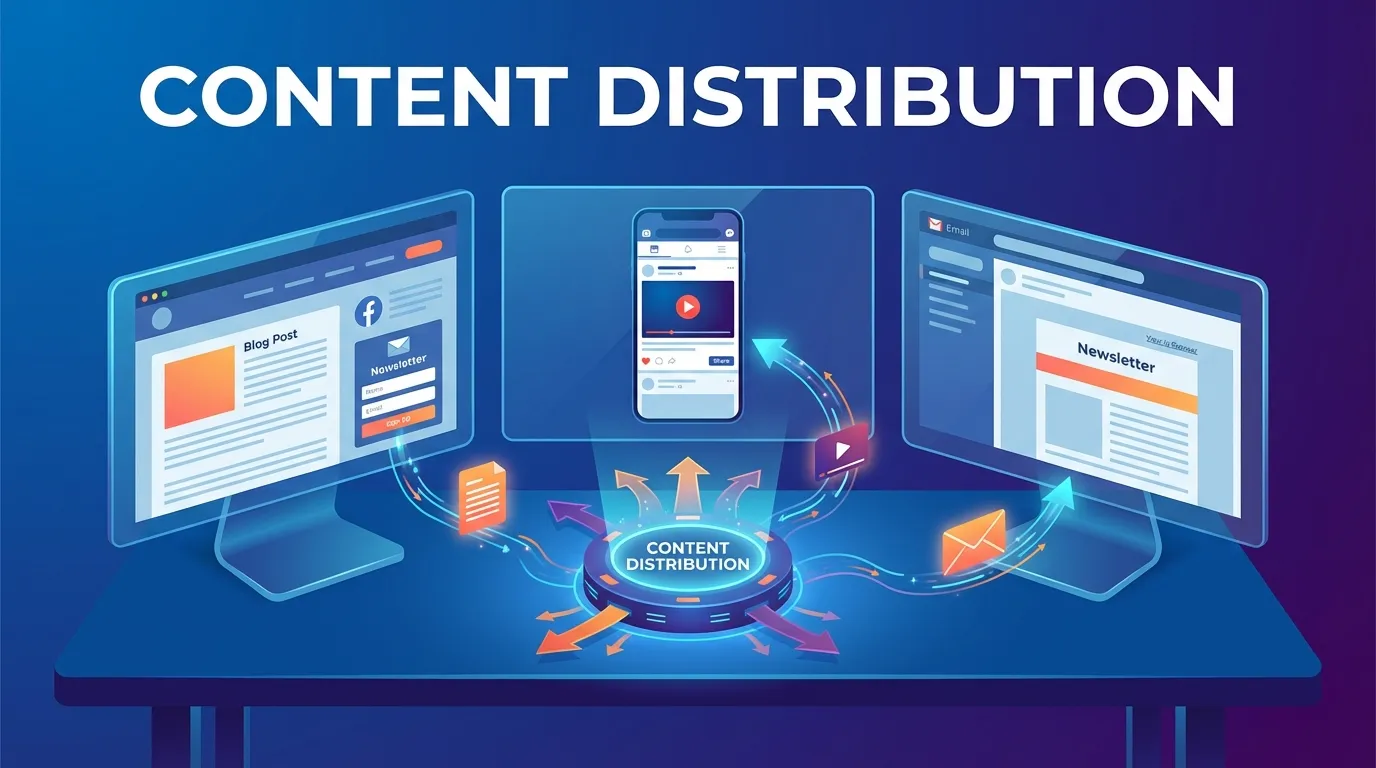
- Social Distribution: Post the "Cleaned and Updated" link back to your LinkedIn and Twitter as if it were a brand-new post. This "Initial Juice" of social traffic tells Google that the page is "Back in Action."
Phase 6: Monitoring the Performance Bounce (Measuring the Lift)
- The Metric: Keyword Rank Movement. Did the post move from position 15 to position 4 in the 30 days post-update?
- Secondary Metric: Conversion Lift. Did the "Lead Generation" from this old page increase after you fixed the "Magnet" and the "UX"?