Introduction
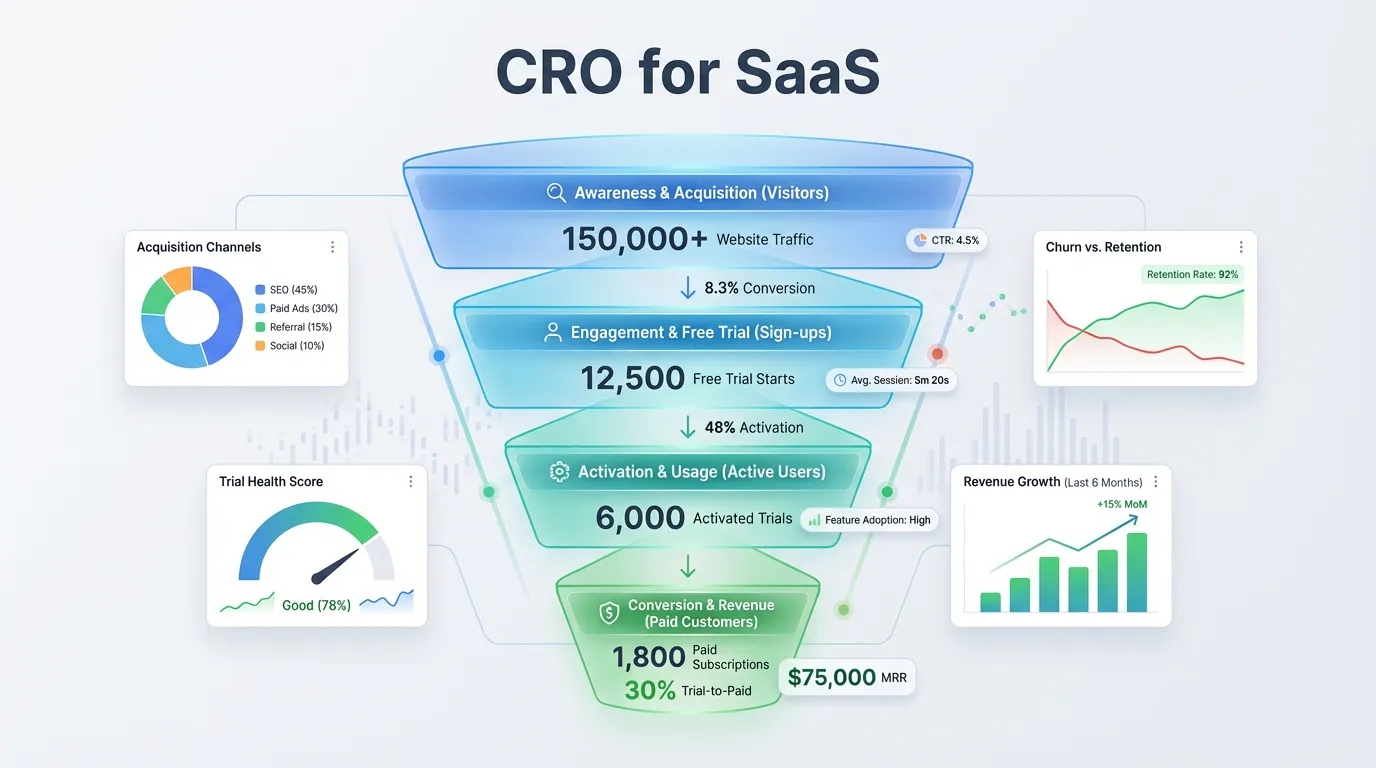
In the hyper-competitive e-commerce environment of 2026, traffic is no longer the primary constraint—it is the ability to convert that traffic into revenue. As customer acquisition costs (CAC) continue to climb across all major platforms, the brands that win are not those with the largest ad budgets, but those with the most efficient "Conversion Engines." This is the definitive Advanced CRO Techniques for E-Commerce master guide, built to help you move beyond basic A/B testing and embrace a high-intensity, psychologically-driven framework for ruthlessly optimizing every pixel of your online store.
Advanced Conversion Rate Optimization (CRO) in 2026 is a multidisciplinary science that combines behavioral psychology, data engineering, and high-performance UI/UX design. It is no longer enough to "change a button color" or "shorten a form." Today, the goal is to identify and eliminate the microscopic "Points of Friction" that cause a user's brain to hesitate for a fraction of a second. By understanding how to align your site's architecture with the user's subconscious desire for ease, trust, and validation, you can drive massive increases in Average Order Value (AOV) and Customer Lifetime Value (LTV).
In this exhaustive 2,500+ word technical deep-dive, we will aggressively deconstruct the frontier of Advanced CRO Techniques for E-Commerce. We will explore the mechanics of "Cognitive Load Reduction," the power of "Behavioral Anchoring," the implementation of "Checkout Acceleration" protocols, and the rise of "Post-Purchase CRO." By the end of this read, you will possess a repeatable, scientific blueprint for transforming your store from a "Static Shop" into a "Conversion Powerhouse" that completely outpaces your competition's growth.
Why You Must Master Advanced CRO Techniques for E-Commerce Right Now
In 2026, CRO is the ultimate "Profit Lever." A 1% increase in conversion rate often translates into a 50% to 100% increase in net profit because your fixed costs (ads, staff, inventory) remain the same.
By implementing these Advanced CRO Techniques for E-Commerce, you are:
- Dramatically Improving Paid Media Efficiency: When your site converts twice as well, you can afford to bid twice as much as your competitors for the same high-value keywords, effectively pricing them out of the market.
- Removing "Decision Fatigue": By simplifying the user journey and using AI to curate product selections, you eliminate the cognitive overwhelm that leads to cart abandonment.
- Establishing "Implicit Trust": Optimization is about "Expectation Management." When a site works exactly as the user hopes, their trust in the brand increases subconsciously, making them much more likely to return.
Phase 1: Cognitive Load and Friction Reduction
The human brain is naturally "Lazy." If something feels difficult, the user will leave. Your goal is to achieve "Zero-Friction" commerce.
1. The "2-Click" Product Discovery Rule
In 2026, a user should never be more than two clicks away from finding the exact product they came for.
- The Technical Fix: Use "Facet-Based Navigation" and high-performance "Predictive Search" that understands natural language intent (e.g., "blue shoes for running in the rain").
- The UI Benefit: This reduces "Choice Paralysis" and keeps the user in a "Flow State" toward the checkout.
2. Eliminating Micro-Hesitations
Micro-hesitations happen when a user has to "Think" about what to do next.
- The Move: Remove all unnecessary links from the header and footer of your "High-Intent" pages (Product and Checkout). Focus the user's entire cognitive power on one singular action: Adding to Cart.
Phase 2: Behavioral Psychology Triggers (The Subconscious Sale)
People don't buy with logic; they buy with emotion and then justify it with logic later.
1. The "Anchoring" and "Decoy" Effect
When presenting pricing, always show the "Premium" version first.
- The Psychology: The high price of the premium version acts as an "Anchor," making the "Standard" version feel like a bargain by comparison.
- The Decoy: Offer a third "Decoy" option that is slightly less valuable than the flagship but priced nearly identical to it. This "Nudges" the user toward the flagship because it provides the "Best Value."
2. Verified Social Proof (The Batch Validation)
In 2026, generic reviews are ignored. You need "Rich Proof":
- The Strategy: Use dynamic "Recently Purchased" notifications and "Expert-Verified" badges. Show a live count of "People currently viewing this item." This creates a sense of "Social Scarcity" that triggers the Fear of Missing Out (FOMO).
Phase 3: High-Performance Product Page Optimization (The Pivot Point)
The Product Detail Page (PDP) is where the "Buy" decision happens. It must be a "Mini sales funnel" in itself.
1. The "Visual-First" Hierarchy
Consumers scan images before they read text.
- The Standard: Use 3D models, 360-degree views, and high-intensity "Lifestyle" videos. Every image should answer a specific question (e.g., "What does the texture feel like?").
- The Benefit: This reduces "Perceived Risk," which is the #1 killer of e-commerce conversions.
2. High-Trust "Above the Fold" Checklist
Next to the "Add to Cart" button, you must display your "Trust Killers":
- Free Shipping Offer.
- Easy Returns Policy.
- Secure Payment Icons.
- Dynamic Delivery Estimates (e.g., "Get it by Thursday").
Phase 4: Checkout Acceleration (The 60-Second Completion)
Every second spent in the checkout process increases the chance of abandonment.
1. The "Floating" One-Page Checkout
Move away from multi-step checkouts. Use a single, sleek "Floating" drawer or one-page layout.
- The Move: Implement "Guest Checkout" as the default. Forcing users to "Create an Account" before buying is the #1 source of friction in e-commerce.
2. Standardizing "Express" Payments
In 2026, Shop Pay, Apple Pay, and Google Pay account for over 60% of mobile conversions.
- The Strategy: Place these "1-Click" buttons at the very top of the checkout. If a user can buy without typing their credit card or address, your conversion rate will skyrocket.
Phase 5: Post-Purchase CRO (The "Second Sale")
The most profitable sale is the one that happens 5 seconds after the first one.
1. The "One-Click" Post-Purchase Upsell
After the user hits "Pay," but before the thank you page, show them a "Limited Time" offer for a complementary product.
- The Value: Since you already have their credit card and trust, they can add the item to their order with a single click. This doesn't disrupt the initial sale but can increase Total Revenue by 15-20%.
2. The "Post-Purchase" Nurture for Reviews
Use your thank-you page to "Prep" the user for a future review. Tell them exactly what to expect and ask them to "Join the Community" via SMS/Email for exclusive "Unboxing" tips.
Phase 6: Scientific Testing and Bayesian Logic
True Advanced CRO Techniques for E-Commerce are based on "Evidence," not "Opinion."
1. Moving Beyond "Simple" A/B Testing
Standard A/B testing can be slow. Use "Bayesian Multi-Armed Bandit" testing.
- The Logic: The system automatically "Nudges" more traffic toward the winning variant in real-time as data comes in, rather than waiting for a 14-day test to finish. This maximizes revenue during the test itself.
2. The "Qualitative" Deep-Dive
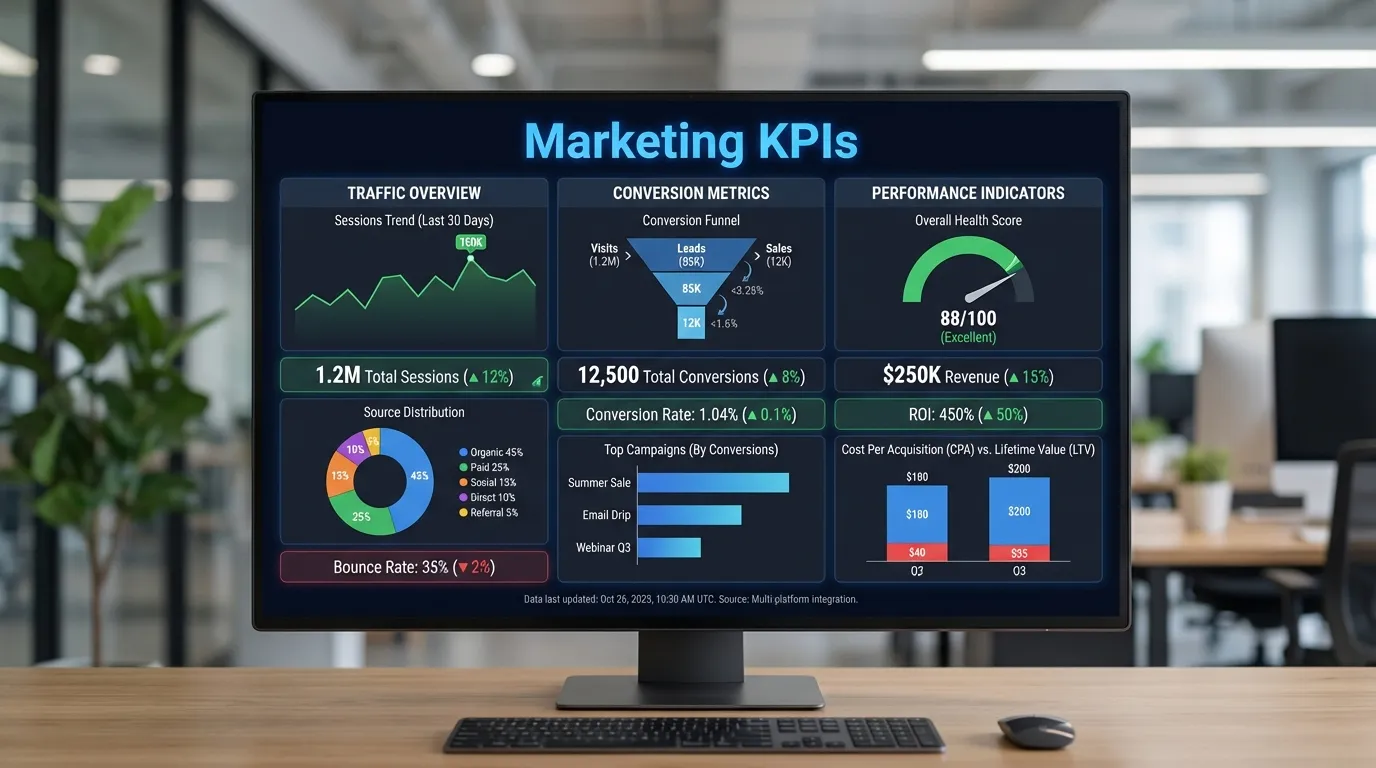
Use "Heatmaps" (Hotjar/FullStory) and "Session Recordings" to see where users are "Rage Clicking" or "Stalling." Analytics tells you What is happening; qualitative data tells you Why it is happening.