Introduction
You launch a marketing campaign.
You design a landing page.
You write what feels like the perfect headline.
But here’s the problem:
👉 How do you know it’s the best version
This is where A/B testing in marketing becomes a game changer.
Instead of guessing, A/B testing helps you:
- Make data driven decisions
- Improve conversion rates
- Understand user behavior
- Optimize every element of your funnel
Top marketers don’t rely on assumptions they test everything.
In this guide, you’ll learn:
- What A/B testing is in simple terms
- How it works step by step
- What elements you should test
- Real examples and strategies
- Common mistakes to avoid
By the end, you’ll know how to use A/B testing to consistently improve results.
What is A/B Testing in Marketing
A/B testing in marketing is a method of comparing two versions of a webpage, ad, or element to determine which performs better.
Simple Explanation
You create:
- Version A original
- Version B modified
Then:
- Show both versions to users
- Measure performance
- Choose the winner
Example
You test two headlines:
- Version A Buy Now
- Version B Get 50 Percent Off Today
Whichever gets more clicks wins.
Why A/B Testing is Important
1 Removes Guesswork
- Decisions based on data
- No assumptions
2 Improves Conversion Rates
- Optimize continuously
- Increase performance
3 Understands User Behavior
- Learn what users prefer
- Improve experience
4 Reduces Risk
- Test before full launch
- Avoid big mistakes
5 Maximizes ROI
- Better results from same traffic
How A/B Testing Works
Step by Step Process
1 Identify what to test
2 Create two versions
3 Split traffic equally
4 Run the test
5 Analyze results
6 Implement winning version
Key Metrics to Track
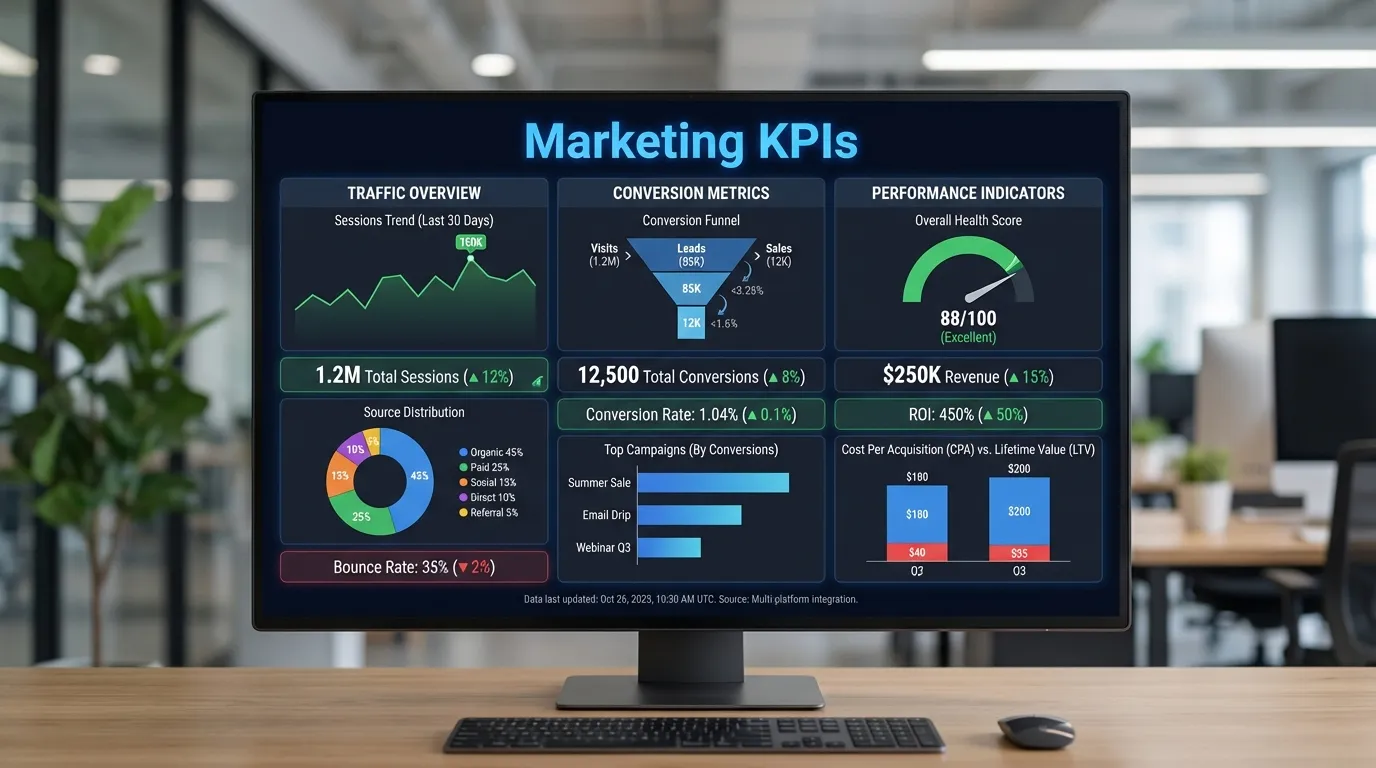
- Click through rate
- Conversion rate
- Bounce rate
- Engagement
What You Can A/B Test
Headlines
- First impression matters
- Test different messaging
Call to Action CTA
- Button text
- Placement
- Color
Landing Pages
- Layout
- Content
- Images
Email Campaigns
- Subject lines
- Content
- Send time
Ads
- Copy
- Visuals
- Targeting
Types of A/B Testing
1 Split Testing
- Compare two versions
- Most common
2 Multivariate Testing
- Test multiple elements
- More complex
3 Redirect Testing
- Compare different pages
A/B Testing Example
An eCommerce website tests CTA button.
Version A
- Buy Now
Version B
- Get Your Discount Now
Result
- Version B increases conversions by 25 percent
Step by Step Guide to Run A/B Test
Step 1 Define Your Goal
Examples:
- Increase clicks
- Improve conversions
Step 2 Choose Element to Test
Focus on:
- One variable at a time
Step 3 Create Variations
- Version A original
- Version B modified
Step 4 Split Traffic
- 50 50 distribution
Step 5 Run Test
- Allow enough time
- Collect data
Step 6 Analyze Results
- Compare performance
- Identify winner
Step 7 Implement Changes
- Apply winning version
Best Practices for A/B Testing
Test One Element at a Time
- Avoid confusion
- Clear results
Run Tests Long Enough
- Ensure statistical significance
Use Large Sample Size
- More accurate results
Focus on High Impact Areas
- Landing pages
- CTAs
Keep Testing Continuously
- Optimization never stops
Common Mistakes to Avoid
1 Testing Too Many Variables
- Leads to unclear results
2 Stopping Tests Early
- Inaccurate conclusions
3 Ignoring Data
- Poor decisions
4 Small Sample Size
- Unreliable results
5 Not Defining Goals
- No direction
Tools for A/B Testing
Google Optimize
- Free tool
- Easy integration
Optimizely
- Advanced testing
- Powerful features
VWO
- User friendly
- Great insights
HubSpot
- Built in testing features
A/B Testing vs Multivariate Testing
| Feature | A/B Testing | Multivariate Testing |
|---|---|---|
| Complexity | Simple | Complex |
| Variables | One | Multiple |
| Use Case | Beginners | Advanced users |
Real Life Example
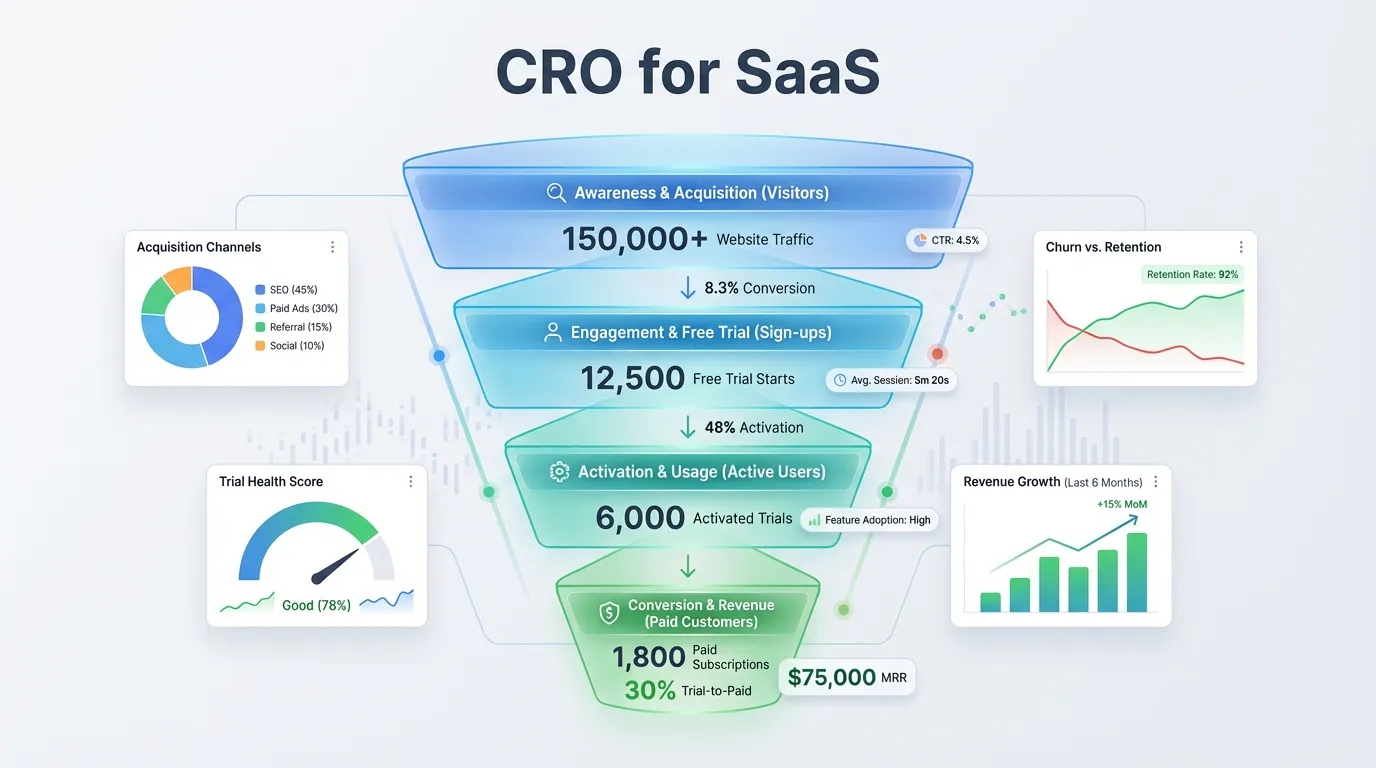
A SaaS company tests landing page headline.
Process:
1 Creates two headlines
2 Runs test
3 Tracks conversions
Result:
- 30 percent increase in signups
Advanced A/B Testing Strategies
Personalization Testing
- Different versions for different users
Behavioral Testing
- Based on user actions
Funnel Optimization
- Test each stage of funnel
Continuous Optimization
- Always improving
Future of A/B Testing
AI Powered Testing
- Automated optimization
Predictive Analytics
- Smarter decisions
Real Time Testing
- Instant results
Personalization Growth
- User specific experiences
Short Summary
A/B testing in marketing helps you:
- Make data driven decisions
- Improve conversions
- Reduce risks
- Optimize campaigns
Conclusion
If you want better results, stop guessing and start testing.
A/B testing allows you to:
- Understand your audience
- Improve performance
- Increase revenue
Remember:
Small changes can lead to big results
Start testing today and your conversions will thank you.