
Introduction
If you’re struggling to grow your brand online or feel overwhelmed by digital marketing, you’re not alone. Many beginners, students, and even professionals try random tactics without a structured plan — which leads to slow growth, wasted time, and zero momentum.
But what if you had a simple, step-by-step 30-day digital marketing challenge that helps you take consistent action every day? A roadmap that builds your skills, improves your brand visibility, and creates real growth?
In this guide, you’ll discover a powerful 30-day digital marketing challenge designed to help you build your online presence, attract the right audience, and learn practical digital marketing skills through daily execution. Whether you're a marketer, entrepreneur, freelancer, or student, this challenge will help you level up your brand and confidence.
Let’s begin the transformation.
What Is a 30-Day Digital Marketing Challenge?
A digital marketing challenge is a structured 30-day action plan where you complete daily tasks related to content creation, branding, SEO, email marketing, analytics, and social media.
Why It Works
- It builds momentum
- You stay consistent
- You learn practical marketing skills
- You see results faster
- It eliminates overwhelm
Unlike courses that are theory-heavy, this challenge is action-driven, meaning you learn by doing.
Who Should Follow This Challenge?
Ideal for:
- Beginners learning digital marketing
- Students building their portfolio
- Freelancers trying to attract clients
- Small business owners
- Content creators
- Job seekers preparing for marketing roles
Even experts can use it to:
- Reset their strategy
- Improve consistency
- Refresh their brand identity
If you want to increase visibility, build your brand, grow your audience, or learn digital marketing hands-on — this challenge is perfect for you.
How the 30-Day Digital Marketing Challenge Works
The challenge is divided into 4 weekly themes:
Week 1: Branding and Foundation Setup
Week 2: Content Creation and Social Media Growth
Week 3: SEO, Website Optimization and Analytics
Week 4: Email Marketing, Funnels and Paid Ads Basics
Each day has one simple task — just 20–40 minutes — but each task builds your digital presence step-by-step.
Let’s jump in.
WEEK 1: Build Your Digital Brand Foundation
Day 1: Define Your Brand Goals
Clearly define what you want:
- More leads?
- More traffic?
- A personal brand?
- Higher engagement?
Example:
“Grow my Instagram to 2,000 followers in 90 days” or “Get 10 clients from LinkedIn.”
Day 2: Identify Your Target Audience
Define:
- Age
- Pain points
- Motivations
- Behavior
- Interests
Insight:
Your audience determines your content, social media style, and marketing strategies.
Day 3: Choose Your Main Social Platforms
Pick 2 platforms based on your audience:
- Instagram (visual content)
- LinkedIn (professionals)
- YouTube (long-form content)
- Facebook (community building)
- TikTok (short-form video)
Day 4: Create or Update Your Brand Profile
Optimize:
- Profile photo
- Bio
- Links
- Highlights
- Contact info
Example:
Use a professional headshot + a keyword-rich bio.
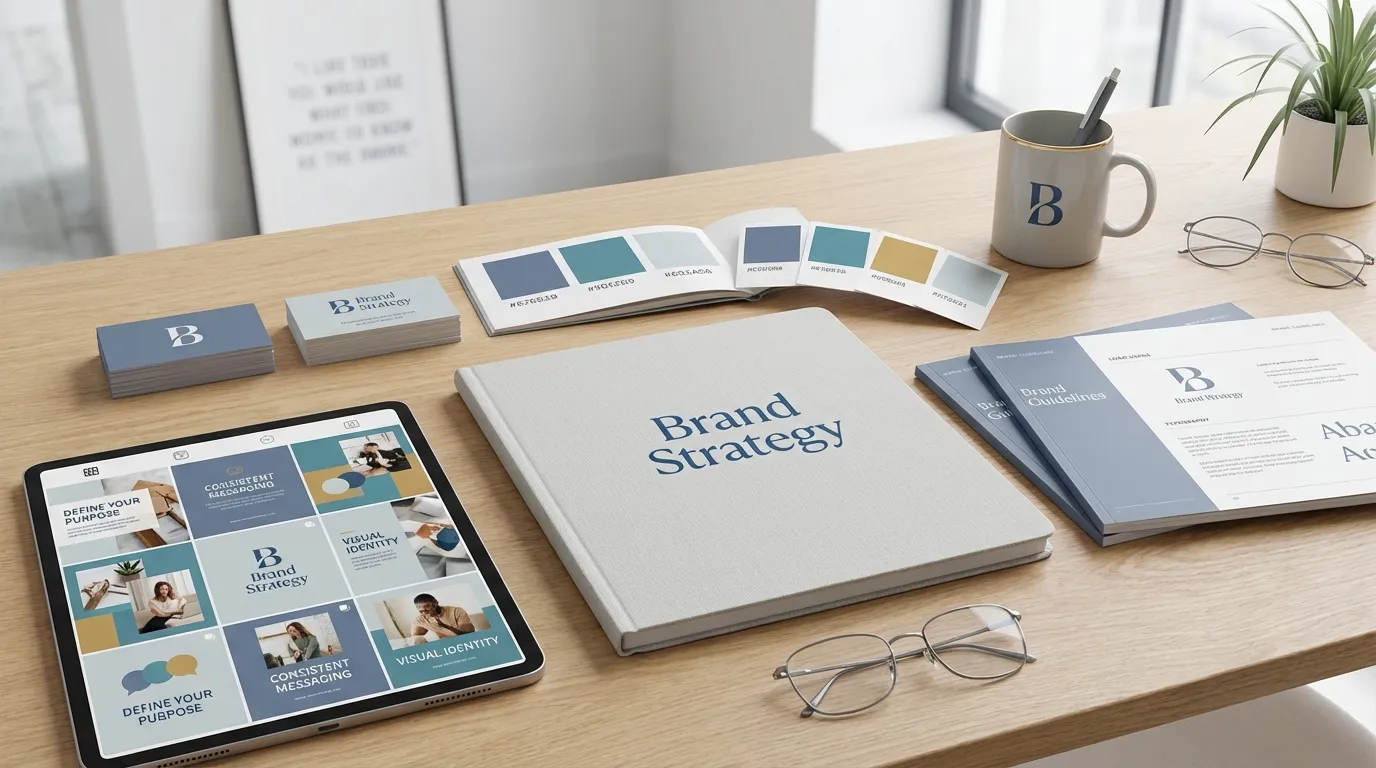
Day 5: Develop a Simple Brand Style Guide
Decide on:
- 2–3 brand colors
- 2 fonts
- Tone of voice (friendly, professional, bold)
This keeps your content consistent.
Day 6: Learn Basic Canva Design
Practice:
- Thumbnails
- Posts
- Reels covers
- Infographics
Canva will be your content engine during this challenge.
Day 7: Competitor Research
Analyze 5 competitors:
- What content works for them?
- What gaps can you fill?
- How often do they post?
Create a "Competitor Notes" document.
WEEK 2: Master Content Creation and Social Media
Day 8: Create Your Content Pillars
Choose 3–5 topics you will regularly post about.
Example content pillars for a digital marketer:
- SEO tips
- Facebook ads
- Canva design
- Personal branding
Day 9: Write 10 Short-Form Content Ideas
Examples:
- Mistakes beginners make
- Tools you use
- Before/after results
- Myths vs facts
Write them down as hooks, like:
- “3 mistakes beginners make in digital marketing”
- “One SEO trick nobody told you about”
Day 10: Write 2 Long-Form Posts
Choose platforms:
- Medium
- Your blog
Write helpful, practical pieces based on:
- Guides
- Lessons learned
- Case studies
Day 11: Create 5 Canva Designs
Start with:
- Carousel posts
- Quote graphics
- Infographics
You’ll use these designs as templates in the future.
Day 12: Record Your First Short Video (Reel/Shorts/TikTok)
Topic ideas:
- “3 tools every beginner marketer needs”
- “One digital marketing tip that changed my results”
Don’t overthink it — keep it real and valuable.
Day 13: Publish and Promote Your Content
Post on your selected platforms.
Use:
- Hashtags
- Relevant descriptions
- Cross-platform sharing
Encourage engagement through questions in captions.
Day 14: Analyze Engagement
Check:
- Reach
- Saves
- Shares
- Comments
Identify:
- What content type performed best?
- What topics your audience engaged with?
Use these insights for future content planning.
WEEK 3: SEO, Website Optimization and Analytics
Day 15: Choose Your Website or Blog Platform
Select:
- WordPress
- Wix
- Blogger
- Webflow
- Medium
Your website or blog is your digital home.
Day 16: Learn Basic SEO Concepts
Understand:
- Keywords
- Search intent
- On-page SEO
- Backlinks
- Meta descriptions
These are the building blocks of organic traffic.
Day 17: Do Keyword Research
Use:
- Google Keyword Planner
- Ubersuggest
- Ahrefs
- SEMrush
Focus on low-competition, long-tail keywords like:
- “digital marketing challenge for beginners”
- “30-day marketing challenge plan”
Day 18: Write an SEO-Optimized Blog
Include:
- H1, H2, H3 headings
- Main keyword and LSI keywords
- Examples
- Internal links
- Call-to-action at the end
Make it practical and solution-focused.
Day 19: Optimize Your Website
Improve:
- Page load speed
- Mobile responsiveness
- Navigation
- Readability (font size, spacing, colors)
Tools:
- Google PageSpeed Insights
- GTmetrix
Day 20: Create a Lead Magnet
Examples:
- Checklist
- Guide
- Template
Tie it to your niche such as:
- “30-Day Content Calendar Template”
- “Beginner’s SEO Checklist”
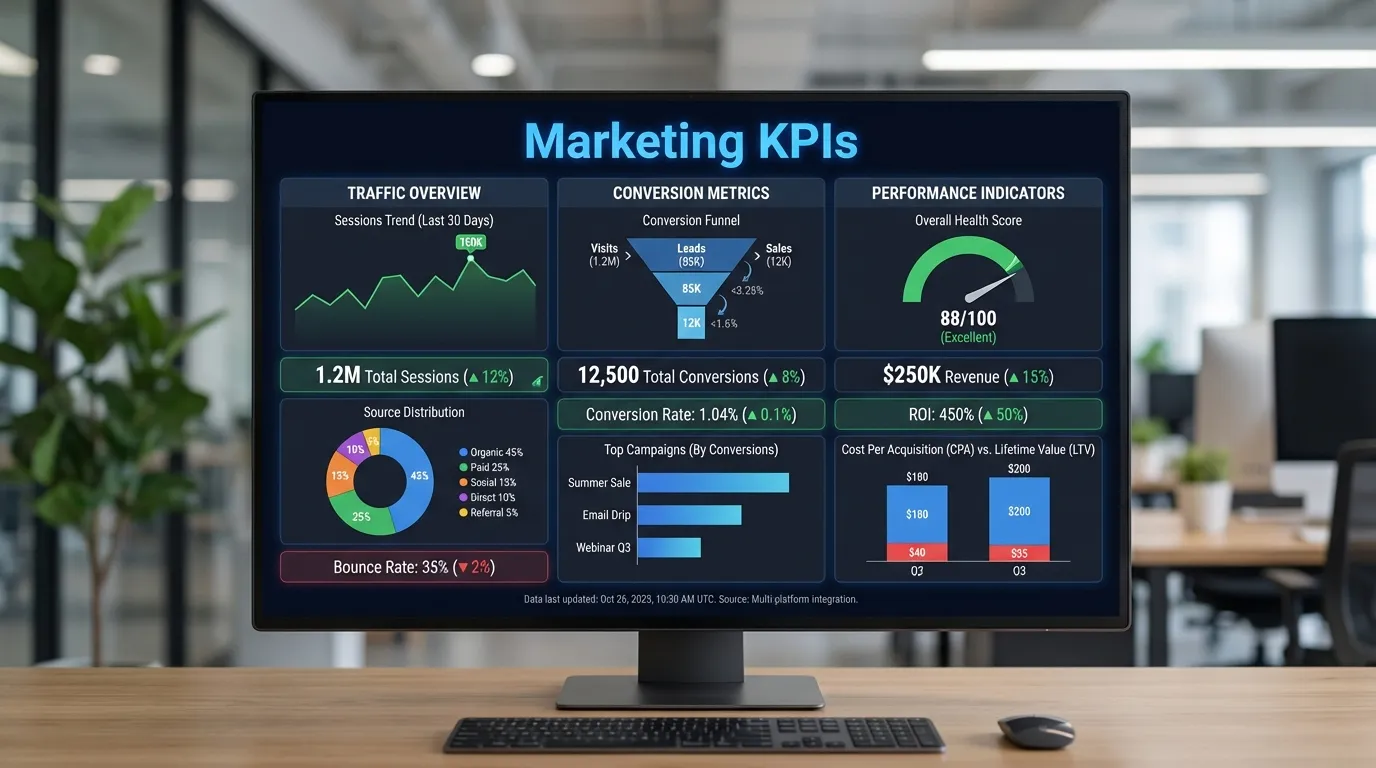
Day 21: Set Up Google Analytics and Search Console
Track:
- Traffic
- Top pages
- User behavior
- Country/device data
Search Console helps you understand:
- Which keywords you’re appearing for
- Indexing issues
- Click-through rates
WEEK 4: Email Marketing, Funnels and Paid Ads Basics
Day 22: Create an Email List
Use:
- Mailchimp
- ConvertKit
- Systeme.io
Add a signup form to:
- Your website
- Your blog posts
- Social media bio
Day 23: Write a Welcome Email
Include:
- Who you are
- What value they’ll get
- Links to your best content
- A simple CTA (reply, follow, or visit your site)
Day 24: Build a Simple Funnel
Basic funnel flow:
- Helpful content
- Lead magnet
- Email sequence
- Offer (service, consultation, product)
This helps you warm up your audience before selling.
Day 25: Learn Facebook Ads Basics
Understand:
- Campaign objectives (traffic, leads, conversions)
- Targeting (interests, demographics, lookalikes)
- Budget and bidding
- Placements
Your goal at this stage is familiarization, not perfection.
Day 26: Create Your First Facebook Ad Creative (Using Canva)
Design:
- Headline
- Visual (product or personal brand)
- CTA button
Keep it aligned with your brand style guide from Week 1.
Day 27: Run a Small Test Campaign
Budget: ₹100–₹300/day
Duration: 3–5 days
Track:
- CTR (Click-Through Rate)
- CPC (Cost Per Click)
- Impressions
This is your first taste of performance marketing.
Day 28: Optimize Based on Results
Ask yourself:
- Which audience performed best?
- Which creative got the highest CTR?
- Did any placements perform poorly?
Pause what’s not working. Scale what works.
Day 29: Repurpose Content
Convert:
- Blog → Carousel post
- Video → Reel/Short
- Long text → Tweet thread
This multiplies your output without extra effort.
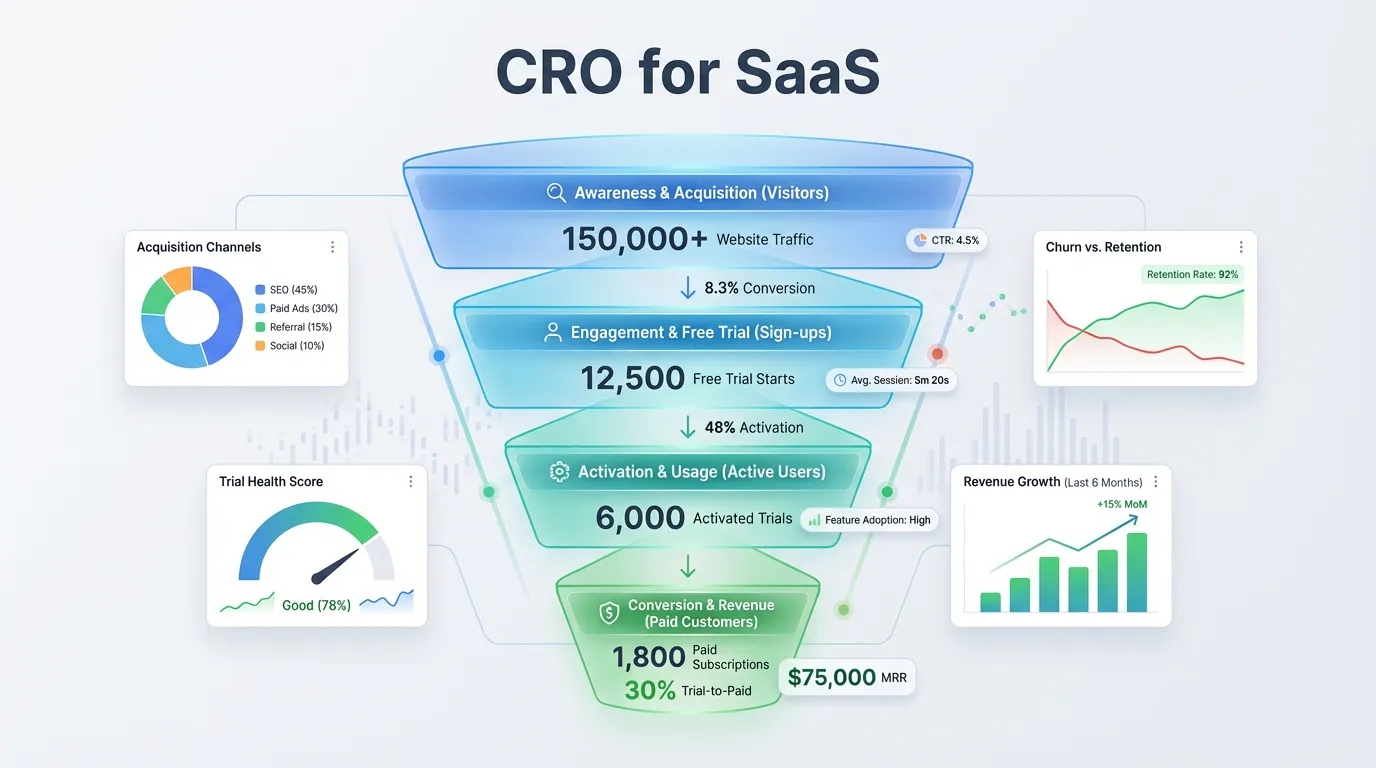
Day 30: Review Your 30-Day Digital Marketing Growth
Evaluate:
- What improved the most? (followers, traffic, confidence)
- What skills did you gain?
- What worked well?
- What will you continue for the next 90 days?
Document your learnings in a “Digital Marketing Journal.”
Short Summary
This guide walked you through a complete 30-day digital marketing challenge to build your brand step-by-step. From branding and social media to SEO, content, email marketing, and paid ads, you’ve learned how to take daily consistent actions that compound into real results.
Conclusion
If you’ve ever felt lost in digital marketing or didn’t know where to start, this challenge gives you clarity, structure, and a proven path forward. Instead of consuming endless content, you now have a system to implement what you learn every single day.
Digital marketing is not about doing everything at once — it’s about doing the right things consistently.
Start this 30-day digital marketing challenge today and let your brand growth speak for itself.
FAQs
1. Is the 30-day digital marketing challenge suitable for beginners?
Yes, it’s designed for absolute beginners as well as professionals who want to reset their strategy and habits.
2. How much time per day will this challenge take?
On average, 20–40 minutes, depending on the task.
3. Do I need paid tools to complete the challenge?
No. You can complete all tasks with free versions of tools like Canva, Google Analytics, Mailchimp, etc.
4. Can businesses use this challenge?
Yes — it works perfectly for startups, coaches, freelancers, agencies, and personal brands.
5. Will this challenge improve my digital marketing skills?
Absolutely. You’ll gain practical experience in SEO, content creation, branding, analytics, email marketing, and ads.
Meta Title
30-Day Digital Marketing Challenge to Boost Your Brand | Full Guide
Meta Description
Join the 30-day digital marketing challenge to boost your brand. Step-by-step tasks, content ideas, SEO tips, email marketing actions, and ads to grow your online presence.
Feature Image (Royalty-Free)
https://images.pexels.com/photos/3184360/pexels-photo-3184360.jpeg
References (Wikipedia Links)
https://en.wikipedia.org/wiki/Digital_marketing
https://en.wikipedia.org/wiki/Content_marketing
https://en.wikipedia.org/wiki/Search_engine_optimization
https://en.wikipedia.org/wiki/Social_media_marketing