
Introduction
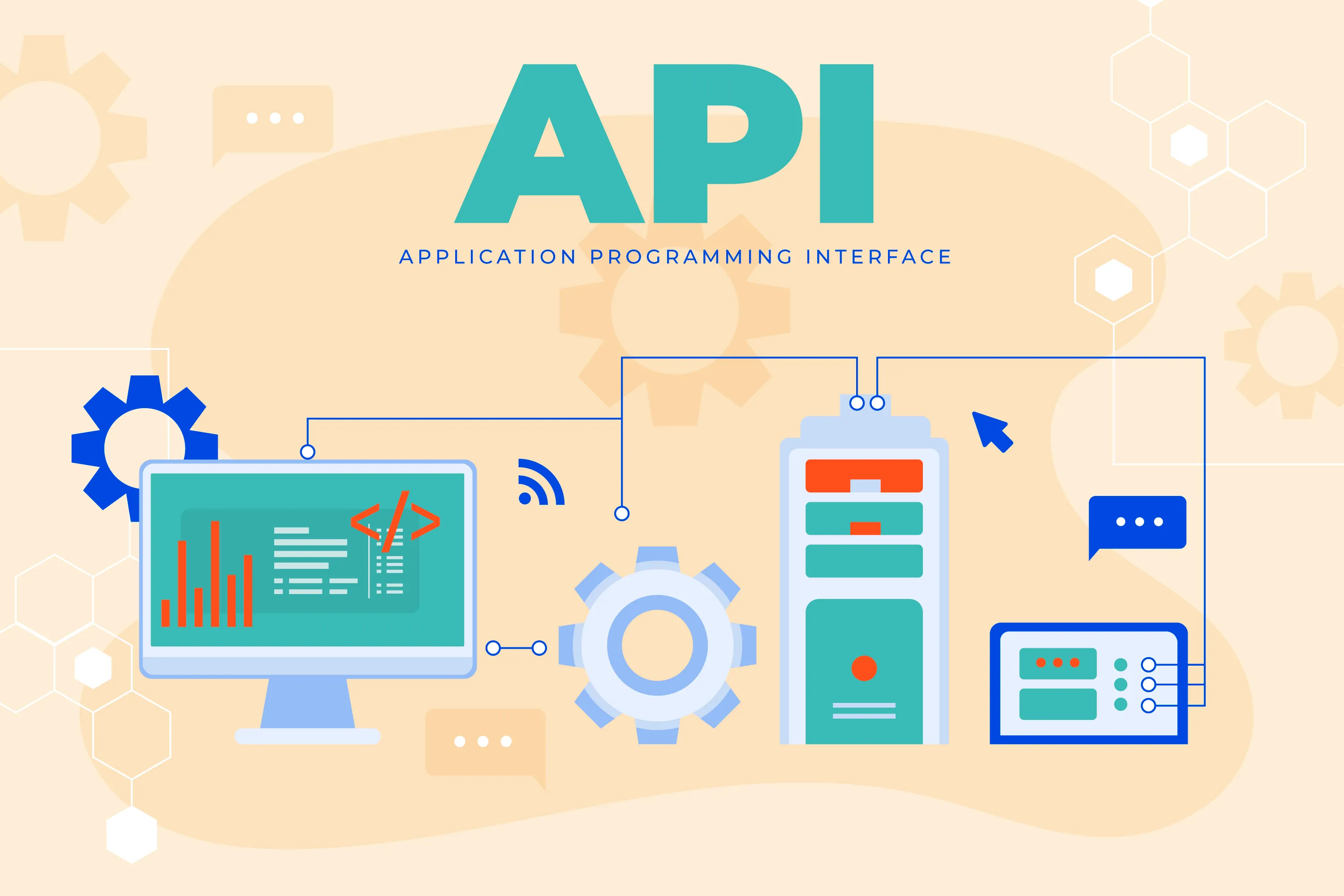
Modern applications rarely work in isolation. Behind every mobile app, web platform, or cloud service lies a network of Application Programming Interfaces (APIs) that allow different systems to communicate with each other. From booking a flight online to making a payment through a mobile wallet, APIs power the digital interactions we rely on every day.
Because APIs handle data exchange, authentication, and system integration, they must be reliable and secure. Even a small API error can break an entire application. This is why API testing has become a critical part of modern software development and DevOps workflows.
Unlike traditional UI testing, API testing focuses on verifying the functionality, performance, reliability, and security of APIs. Developers and QA teams use various API testing tools to validate API responses, check data accuracy, and ensure systems communicate correctly.
In this comprehensive guide, you will learn:
- What API testing is and why it matters
- How API testing works
- The different types of API tests
- Popular API testing tools used by professionals
- Benefits of API testing in DevOps environments
- Real-world API testing examples
- Best practices for successful API testing
Whether you are a beginner learning testing concepts or a professional exploring automation strategies, this guide will help you understand how API testing tools improve software quality and system reliability.
How API Testing Works
API testing involves sending requests to an API and verifying the responses.
The testing process typically includes the following steps.
Step 1: Understand API Documentation
Before testing an API, testers review API documentation to understand endpoints, request parameters, authentication methods, and expected responses.
Step 2: Create API Requests
API testing tools send requests such as:
- GET requests to retrieve data
- POST requests to create data
- PUT requests to update data
- DELETE requests to remove data
Step 3: Validate Responses
The response returned by the API is validated against expected results.
Testers verify:
- response status codes
- response time
- data format and accuracy
Step 4: Automate API Tests
Automation tools execute API tests repeatedly during development and deployment pipelines.
Popular API Testing Tools
Several tools are commonly used for API testing in software development.
Postman
Postman is one of the most widely used API testing tools.
Key features include:
- easy API request creation
- automated test scripts
- API documentation support
- collaboration features
Postman is beginner-friendly and widely used by developers and testers.
SoapUI
SoapUI is a powerful API testing tool designed for testing SOAP and REST APIs.
It supports functional testing, security testing, and load testing.
Rest Assured
Rest Assured is a Java-based library used for automated API testing.
It is commonly used in automated testing frameworks.
JMeter
Apache JMeter is primarily used for performance and load testing.
It helps evaluate how APIs perform under heavy traffic.
Benefits of API Testing
API testing offers several advantages for development teams.
Faster Test Execution
API tests run much faster than UI tests.
Early Bug Detection
Testing APIs early helps detect issues before they affect the user interface.
Improved Test Coverage
APIs allow testing multiple scenarios without UI limitations.
Better Integration Testing
API testing validates communication between services in microservices architectures.
Real-World Example of API Testing
Consider a simple e-commerce application with a product API.
A GET request may retrieve product details.
Example request:
GET https://api.store.com/products/123
Expected response:
{
  "id": 123,
  "name": "Wireless Mouse",
  "price": 25
}
API tests verify that:
- the correct product data is returned
- the response time is acceptable
- invalid requests return proper error messages
Common Challenges in API Testing
API testing can present several challenges.
Complex Data Dependencies
Some APIs depend on data from other services.
Authentication Complexity
APIs often require tokens, keys, or OAuth authentication.
Environment Differences
Development and production environments may behave differently.
Proper testing strategies help overcome these challenges.
Conclusion
APIs play a critical role in modern software architectures, connecting applications, services, and data systems. Because of this central role, ensuring API reliability and performance is essential for delivering high-quality applications.
API testing helps development teams validate backend functionality, detect errors early, and maintain stable system integrations. By using modern API testing tools such as Postman, SoapUI, and Rest Assured, teams can automate API validation and integrate testing into CI/CD pipelines.
As software systems become more distributed and API-driven, API testing will continue to be a vital part of modern software testing strategies.


