
Introduction
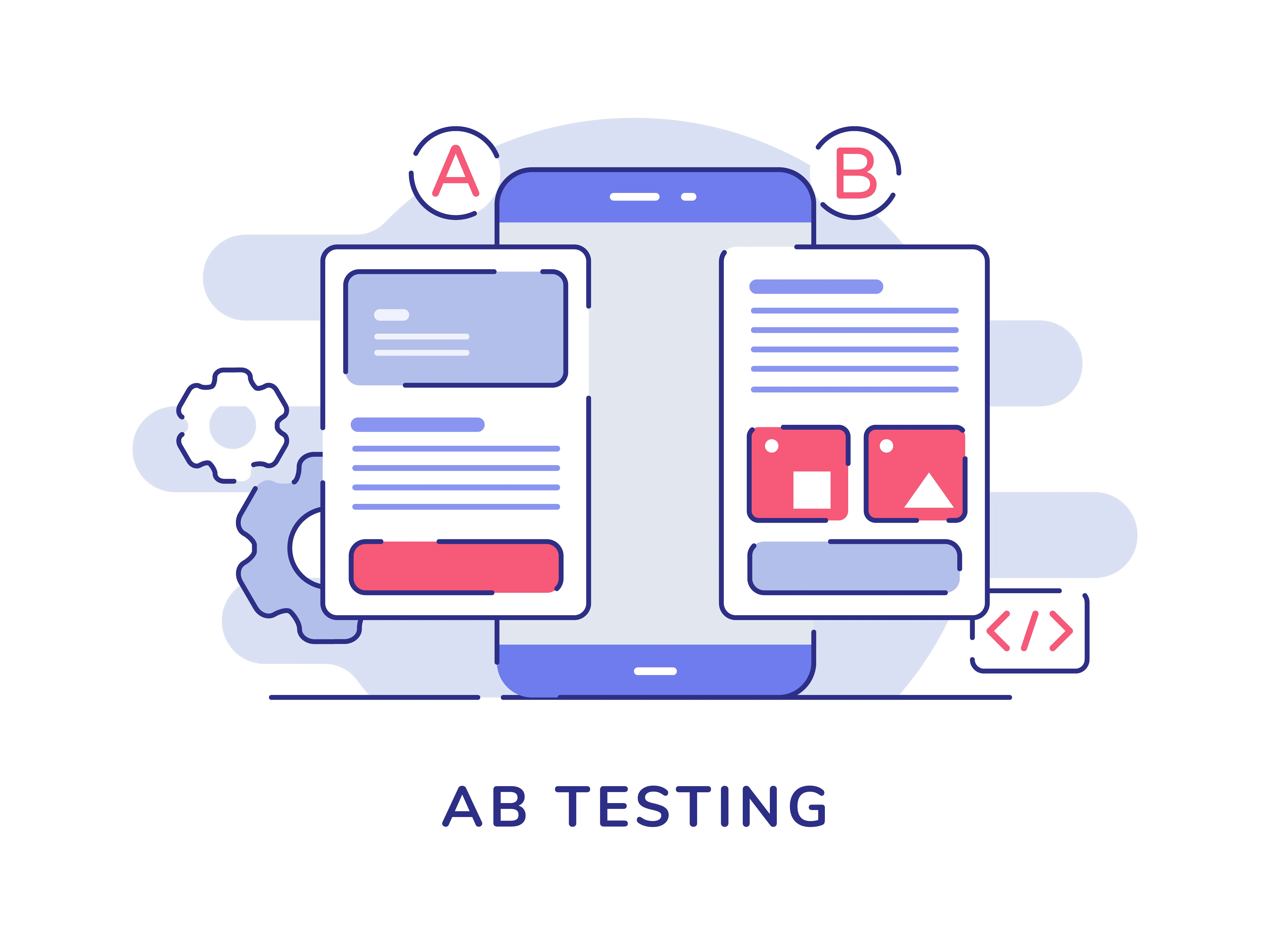
Imagine shipping a new feature, design layout, or pricing model—without guessing whether users will love it or ignore it. Today’s top-performing product teams don’t rely on instincts alone. They rely on A/B testing, a data-driven experimentation process that helps teams understand what truly moves the needle and why.
With digital products evolving rapidly, the need for modern, accurate, and scalable A/B testing tools in 2026 has become more critical than ever. These platforms help teams optimize user experience, improve conversions, increase retention, and validate hypotheses with real user behavior—not assumptions.
In this guide, you’ll learn:
- What A/B testing is and why it matters
- How experimentation empowers product teams
- The best A/B testing tools for 2026
- Step-by-step examples and workflows
- Key features, comparisons, pros, cons, and insights
- Best practices for high-impact experimentation
- FAQ, summary, metadata, and references
Let’s dive into the world of experimentation and explore how product teams can choose the right tools to drive growth.
1. Data-Driven Decisions
Reveals what users truly prefer.
2. Faster Product Iteration
Continuous loops of improvement.
3. Reduces Risk
Avoids harmful deployments.
4. Supports Personalization
Tailor experiences confidently.
5. Drives Growth
Small improvements compound.
- Advanced statistics
- Multi-armed bandits
- Cross-platform testing
- Segmentation
- AI insights
- Scalability
- Privacy compliance
All-in-one platform offering heatmaps, funnel analysis, and A/B testing.
4. LaunchDarkly
Feature-flag-first experimentation ideal for engineering teams.
6. GrowthBook
Open-source platform with SQL-driven experiment analysis.
8. Amplitude Experiment
Analytics-driven experimentation tied to user journeys.
Real-World Example
Changing CTA button color from blue → green increased conversions 7.8%.
Mistakes to Avoid
- Low traffic tests
- Testing without hypothesis
- Misinterpreting confidence levels
- Too many experiment variables
FAQs
1. What is the best A/B testing tool in 2026?
Optimizely for enterprise, GrowthBook for developers.
2. How long should a test run?
Typically 1–4 weeks depending on traffic.
3. Can A/B tests run on mobile apps?
Yes—via tools like LaunchDarkly, Amplitude, and Optimizely.
4. Are small UI changes worth testing?
Absolutely—tiny changes often reveal big insights.
5. Do I need coding experience?
Not always—VWO and AB Tasty offer visual editors.
References (Wikipedia)
https://en.wikipedia.org/wiki/A/B_testing
https://en.wikipedia.org/wiki/Experiment
https://en.wikipedia.org/wiki/Design_of_experiments
https://en.wikipedia.org/wiki/Statistical_hypothesis_testing
https://en.wikipedia.org/wiki/Feature_toggle