Introduction
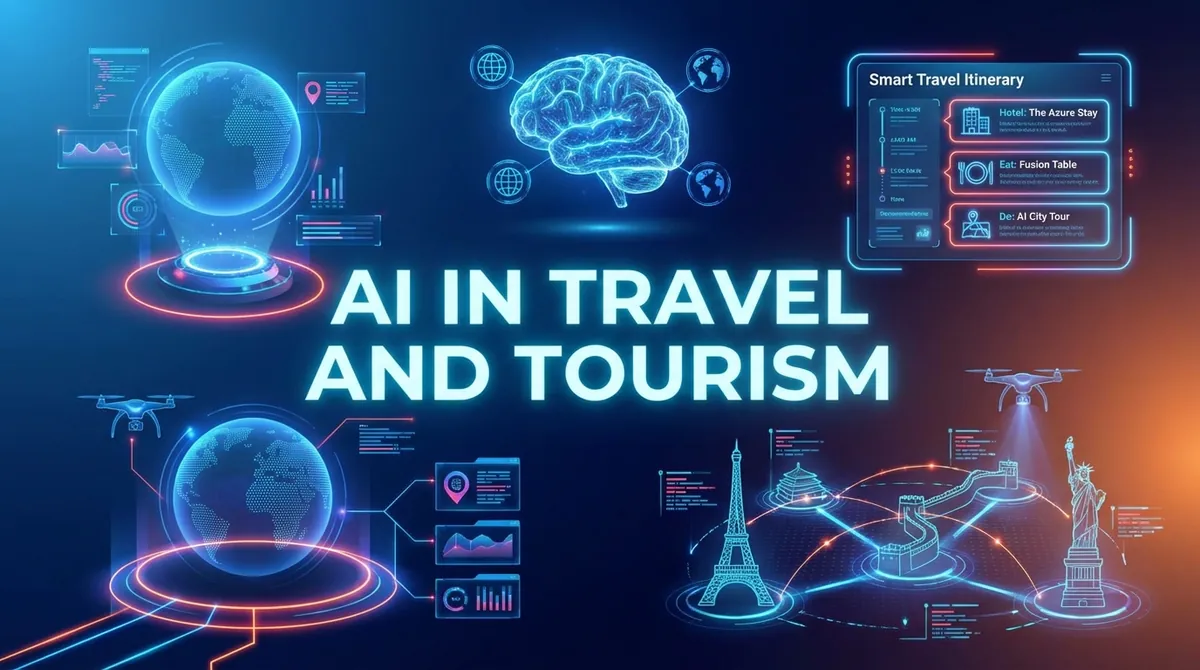
By 2026, the travel and hospitality industry has moved far beyond the simple booking engine. Artificial Intelligence has become the primary architect of the travel experience, transforming it from a fragmented series of reservations into a seamless, hyper-personalized journey. From the moment a traveler begins to daydream about a destination to their final checkout at a smart hotel, AI is working behind the scenes to optimize every detail, anticipate every need, and resolve every conflict in real-time.
However, the "Seamless Travel" experience is built on a massive exchange of highly sensitive data—passport numbers, financial details, real-time location tracking, and personal preferences. In the globalized world of 2026, the travel industry is a primary target for international cybercrime syndicates and state-sponsored actors. A breach in a global distribution system (GDS) or a major hotel chain's database can compromise the safety and privacy of millions of people simultaneously.
This article explores the cutting-edge applications of AI in travel and hospitality in 2026, analyzes the technologies driving the shift toward "Autonomous Travel Planning," and outlines the critical cybersecurity frameworks required to protect the global traveler in a digital world.
1. The Era of the AI Travel Concierge
Hyper-Personalized Itinerary Generation
In 2026, the "Generic Travel Package" is a thing of the past. AI travels agents analyze your past trips, your food preferences, your fitness level, and even your current stress levels (via wearable data) to create a bespoke itinerary. If you love quiet mornings and intense afternoon hiking, the AI will build a schedule that reflects that, automatically booking the best local guides and identifying the most secluded spots that match your "Vibe."
Real-Time Language Translation and Cultural Assistance
Travelers in 2026 carry "Universal Translators" in their pockets. AI-powered earbuds provide near-instant, natural language translation for over 100 languages, allowing for deep conversations with locals. Furthermore, AI "Cultural Assistants" provide real-time tips on local etiquette, tipping customs, and hidden historical facts as you walk through a city, making every traveler feel like a global citizen.
2. Smart Hotels and The Future of Hospitality
The Contactless, AI-Managed Stay
Modern hotels in 2026 are increasingly "Software-Managed." Guests check in via facial recognition, and their "Digital Key" is instantly delivered to their phone. Inside the room, an AI "Room Assistant" manages lighting, temperature, and entertainment, following the guest's pre-set preferences. AI also optimizes hotel operations—predicting laundry needs, managing staff shifts based on occupancy data, and even identifying when a guest has left the room to schedule instant cleaning.
Predictive Service and Guest Loyalty
Hospitality brands use AI to predict a guest's needs before they ask. If an AI detects that a guest usually orders a decaf coffee at 9 PM, it can have it ready even before the request is made. This "Anticipatory Service" creates a level of brand loyalty that traditional "reward points" could never achieve.
3. Optimizing Global Travel Logistics
AI handles the "Chaos Management" of global travel. In 2026, if a flight is delayed or canceled due to weather, an AI "Re-booking Agent" instantly identifies the next best route, re-books the hotel, notifies the transportation service at the destination, and manages the refund process—all before the passenger has even arrived at the airport gate.
4. Cyber Security: Protecting the Global Traveler
The travel industry's interconnectedness is its greatest vulnerability.
Ransomware and "Travel Sabotage"
Attackers target airline reservation systems and hotel management platforms with ransomware. In 2026, a "Denial of Travel" attack could leave thousands of people stranded in foreign countries, creating a humanitarian and diplomatic crisis. "Resilient Backups" and "Segmented Networks" that separate public Wi-Fi from critical operational systems are essential.
The Threat of "Synthetic Travelers" and Phishing
Cybercriminals use AI to create fake travel agencies and "Booking Scams" that perfectly mimic legitimate sites. They also use AI-generated "Flight Confirmation" emails to deliver malware. Travelers must be educated on "Media Literacy" and use secure booking platforms that implement cryptographically verified identities (like the "Verified Travel" initiative).
Data Privacy and the "Passport to Nowhere"
The collection of biometric data (FaceID, fingerprints) for travel is a massive privacy risk. If a centralized biometric database is breached, that data cannot be "replaced" like a credit card number. In 2026, the industry is moving toward "Decentralized Identity" (DID), where travelers hold their own encrypted biometric keys on their personal devices, only sharing a "proof" of identity with the authorities when necessary.
Short Summary
AI is the primary architect of the travel experience in 2026, offering hyper-personalized itineraries, real-time translation, and smart hotel management. These technologies provide a seamless and highly efficient journey for the global traveler. However, the connectivity of the industry creates massive cybersecurity risks, including "Denial of Travel" ransomware attacks and the theft of immutable biometric data. Protecting the future of travel requires the adoption of decentralized identity (DID) frameworks, cryptographically verified booking platforms, and a rigorous "Security-First" approach to the global hospitality infrastructure.
Conclusion
Travel in 2026 is a miracle of intelligence and connectivity. But the freedom to explore the world depends on the security of the systems we trust. As we embrace the AI travel revolution, we must ensure that our digital "Passport" is as secure as the physical one was a century ago. The travel leaders of the future will be those who can provide a journey that is not just inspiring, but fundamentally safe.
Frequently Asked Questions
Yes. In 2026, "Auto-Rescheduling" is a standard feature for most major airlines and travel platforms. The AI analyzes real-time flight data and your own preferences to find and book your new itinerary instantly, often before you even realize a delay has occurred.