Introduction
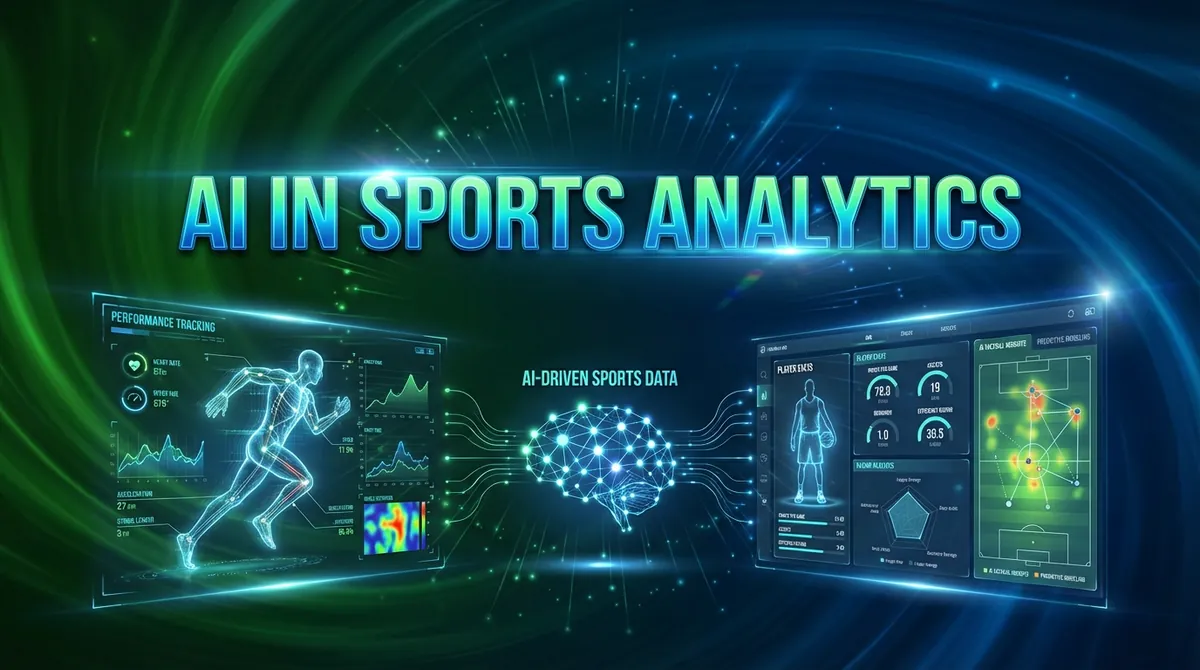
In 2026, the "Edge" in sports is no longer found just in the gym or on the practice field; it is found in the data center. Artificial Intelligence has become the primary strategist for professional teams and individual athletes alike. From optimizing a marathon runner's stride in real-time to predicting the tactical shifts of a championship soccer team, AI is the silent coach behind every record-breaking performance. We have entered the era of "Precision Sports," where every movement is measured, every heartbeat is analyzed, and every outcome is modeled.
However, as sports becomes a data-driven industry, it also becomes a prime target for high-stakes cyberattacks. Top-tier athletes' biometric data, confidential tactical playbooks, and the financial integrity of global betting markets are all vulnerable to exploitation. In 2026, "Sports Espionage" has moved from binoculars and stolen signs to sophisticated AI-powered data breaches and biometric hacking. Protecting the "Sovereignty of the Athlete" is now a critical mission for sports organizations worldwide.
This comprehensive guide explores the primary applications of AI in sports in 2026, analyzes the technologies driving the performance revolution, and examines the essential cybersecurity frameworks required to protect the integrity of the game and the privacy of the athletes.
1. AI-Driven Athlete Performance and Health
Biometric Monitoring and Real-Time Feedback
In 2026, elite athletes wear "Smart Fabrics" that act as a second skin. These garments use embedded sensors and AI to monitor heart rate, oxygen saturation, lactic acid levels, and muscle fatigue in real-time. This data is transmitted instantly to coach's tablets, allowing them to make "Data-Driven Substitutions"—pulling a player just before they reach their "Breaking Point" or adjusting a training session based on the athlete's actual recovery state.
Computer Vision and Technical Optimization
AI-powered cameras (Lidar and high-speed optics) analyze the mechanics of an athlete's movement with microscopic precision. In 2026, a golfer's swing or a swimmer's stroke is compared against "Ideal Biomechanical Models" by an AI that provides instant audio feedback. This "Augmented Coaching" allows athletes to correct subtle flaws that are invisible to the human eye, significantly accelerating skill acquisition.
2. Strategic Mastery and Tactical Analytics
The AI Assistant Coach
Professional teams in 2026 use AI to run thousands of "Game Simulations" before the whistle even blows. By ingesting years of opponent data, current weather conditions, and player health reports, AI can identify the "High-Probability" plays and defensive weaknesses. During the game, AI-powered "Sideline Advisors" provide real-time tactical suggestions—recommending a specific substitution or a change in formation based on the emerging patterns of the match.
Scouting and Talent Identification
The movie "Moneyball" was just the beginning. In 2026, AI scouts analyze thousands of hours of amateur footage from around the world to identify "Hidden Gems." These models don't just look at traditional stats; they analyze "Intangibles" like spatial awareness, decision-making speed under pressure, and emotional resilience, allowing small-market teams to compete with global giants.
3. The New Fan Experience: Personalization and AR
Sports in 2026 is an "Augmented" experience. Fans in the stadium (and at home) use AR glasses to see real-time player stats, ball trajectories, and "Prediction Overlays" hovering over the field. AI also curates personalized "Highlight Reels" for every fan, automatically selecting the most exciting moments involving their favorite players or their fantasy sports team.
4. Cyber Security: Protecting the Heart of the Game
As sports data becomes more valuable, the methods of attack become more predatory.
Biometric Data Theft and "Health Blackmail"
In 2026, an athlete's biometric profile (their genetic predispositions, their injury history, their current physical state) is their most sensitive asset. Attackers target sports medical databases to steal this data, either to sell it to rival teams for scouting advantages or to blackmail athletes with the threat of leaking a hidden health condition. Teams must implement "End-to-End Encryption" for all wearable data and use "Differential Privacy" to protect individual athlete identities in large-scale datasets.
Manipulating the "Automated Referee"
Many sports are now using AI-powered officiating for line calls, offsides, and objective rules. Sophisticated hackers could attempt to "jam" or manipulate these AI sensors to favor a specific team or influence a betting outcome. Organizations must implement "Adversarial Testing" on their officiating models to ensure they cannot be tricked by environmental manipulation or digital interference.
Esports and Professional Gaming Integrity
In the world of professional Esports, DDoS attacks and "Software Sabotage" are constant threats. In 2026, Esports leagues use specialized "Secure Gaming Pods" and AI-driven anti-cheat systems (as discussed in our gaming guide) to ensure that the winner is decided by skill, not by the quality of their cybersecurity defense.
Short Summary
AI is the primary strategist and physician in the sports world of 2026, enabling real-time biometric monitoring, computer-vision optimization, and predictive tactical simulations. These tools significantly enhance athlete performance and the fan experience. However, the reliance on high-value biometric data and automated officiating introduces severe cybersecurity risks, including "Health Blackmail" through data theft and the potential for digital manipulation of a game's outcome. Protecting the integrity of sports requires robust data encryption, adversarial testing of AI referees, and a rigorous focus on the digital safety of the individual athlete.
Conclusion
Sports in 2026 is a fusion of human grit and machine intelligence. But the magic of the game depends on fair play and the privacy of those who play it. As we push the boundaries of human performance with AI, we must be equally ambitious in our commitment to digital integrity. The sports leaders of the future will be those who can win with data while protecting the heart and soul of the competition.
Frequently Asked Questions
No. While AI provides the data and the simulations, the human coach provides the leadership, the emotional motivation, and the final "gut" decision. In 2026, the best coaches are "Centaur Coaches"—humans who are experts at interpreting and applying AI insights.