Introduction
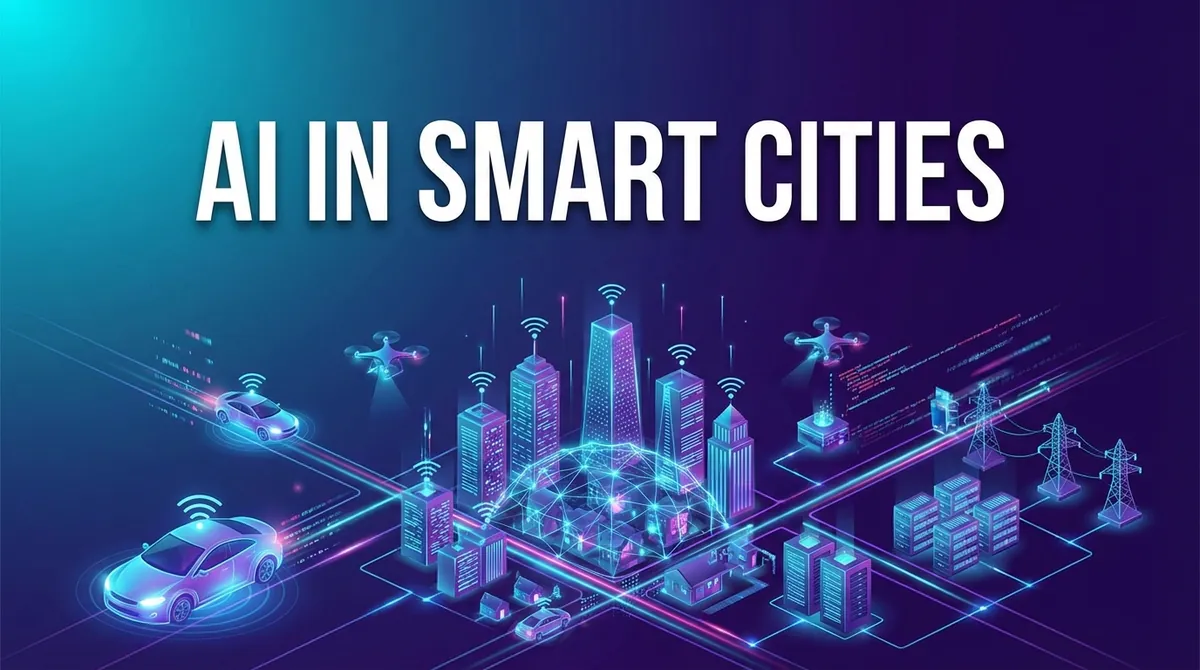
By 2026, the concept of the "Smart City" has transitioned from a futuristic blueprint to a living, breathing reality for millions of urban residents across the globe. At the heart of this urban evolution is Artificial Intelligence, acting as the invisible central nervous system that processes vast streams of data from millions of interconnected sensors, cameras, and infrastructure points. AI-powered smart cities are designed to be more efficient, sustainable, and responsive to the needs of their citizens, addressing traditional urban challenges like traffic congestion, energy waste, and public safety with unprecedented precision.
However, the "Intelligence" of these cities depends entirely on their connectivity. As we wrap our urban environments in a dense web of Internet of Things (IoT) devices and AI algorithms, we are creating a massive and complex cyber attack surface. A smart city that is not secure is a city that is vulnerable to systemic collapse, making cybersecurity the single most important infrastructure requirement for the urban environments of 2026.
This comprehensive guide explores the core AI technologies driving smart city development, analyzes the most impactful use cases for urban residents, and identifies the critical cybersecurity frameworks required to protect the digital foundations of our modern metropolises.
1. AI-Powered Urban Infrastructure
Intelligent Traffic Management
One of the most visible benefits of AI in 2026 is the elimination of the "static" traffic light. AI models analyze real-time data from street cameras, vehicle GPS, and road sensors to coordinate traffic flow across entire city grids. These systems can detect an oncoming ambulance and clear its path in seconds or adjust signal timings to prevent gridlock during peak hours. The result is a significant reduction in commute times and carbon emissions from idling vehicles.
Smart Energy Grids and Resource Management
AI-powered smart grids optimize the distribution of electricity by predicting demand patterns with minute-by-minute accuracy. In 2026, these grids seamlessly integrate renewable energy sources like urban solar and wind, shifting loads to periods of high production and using AI-managed battery storage to maintain stability. Similar AI systems monitor water networks to detect and locate leaks instantly, saving billions of gallons of precious urban resources.
Automated Waste Management
Smart trash cans equipped with fill-level sensors transmit data to a central AI that optimizes garbage collection routes each day. This ensures that bins are never overflowing and that collection trucks only travel where they are needed, reducing operational costs and urban noise pollution.
2. Enhancing Public Safety and Services
AI in Public Safety and Emergency Response
AI assists emergency dispatchers by analyzing 111 calls and social media feeds in real-time to identify incidents as they happen. In 2026, many cities use AI-powered acoustic sensors to detect gunshots or car crashes instantly, dispatching drones to provide first responders with a live aerial view of the scene before they even arrive.
Predictive Maintenance for City Assets
Cities use AI to monitor the health of bridges, tunnels, and subway systems. Sensors measuring vibration, heat, and structural stress feed data into AI models that predict when a component is likely to fail. This allows the city to perform repairs before a breakdown occurs, preventing service disruptions and ensuring citizen safety.
3. The Citizen Experience in 2026
The interaction between the city and its residents has become conversational. Most smart cities now offer "Urban AI Assistants"—sophisticated chatbots that citizens can use to report a broken streetlight, check local air quality, or find the most efficient public transport route using natural language. These assistants act as a 24/7 concierge for the city, making government services more accessible and transparent.
4. Cyber Security: Protecting the Urban Operating System
The same connectivity that makes a city "Smart" makes it a high-value target for hackers and state-sponsored actors.
The Threat of "Urban Ransomware"
In 2026, ransomware doesn't just lock up digital files; it can lock up the city. An attacker could take control of a city's smart grid, water supply, or traffic management system and demand a massive payment to restore functionality. Protecting "Critical Infrastructure" through air-gapping, redundant systems, and continuous monitoring is a non-negotiable security requirement.
IoT Vulnerabilities and "Zombie" Botnets
The millions of low-power IoT sensors used in smart cities often lack the security features of traditional computers. Attackers can compromise these devices to create massive "Botnets," using them to launch Distributed Denial of Service (DDoS) attacks against the city's central AI or to map out vulnerabilities for a more targeted strike.
Data Privacy and "Mass Surveillance"
The vast amount of data collected by smart cities—including facial recognition from thousands of cameras—raises profound privacy concerns. Organizations must implement "Privacy by Design" frameworks, ensuring that data is anonymized at the source and that clear, legally binding governance rules are in place regarding who can access urban data and for what purpose.
Short Summary
AI is the primary engine of the smart cities of 2026, optimizing traffic, energy, and public safety through real-time data analysis. These intelligent urban environments offer unprecedented efficiency and sustainability. However, the reliance on vast IoT networks creates a massive cyber attack surface, making "Urban Ransomware" and massive data privacy breaches major threats. Securing a smart city requires a Zero Trust architecture, rigorous IoT device management, and a firm commitment to protecting citizen privacy amidst a sea of urban data.
Conclusion
The smart city of 2026 is a triumph of engineering and data science, but its survival depends on its resilience. As we cede more control of our urban environment to AI, we must match our ambition for efficiency with an unshakeable commitment to security and ethics. The cities that thrive will be those that use AI not just to be "smart," but to be fundamentally safe and trustworthy for their residents.
Frequently Asked Questions
Yes. Like any software-driven system, a smart city is vulnerable to cyberattacks. Common threats include ransomware targeting infrastructure, DDoS attacks against city services, and the compromise of IoT sensors to steal data or disrupt operations.