Introduction
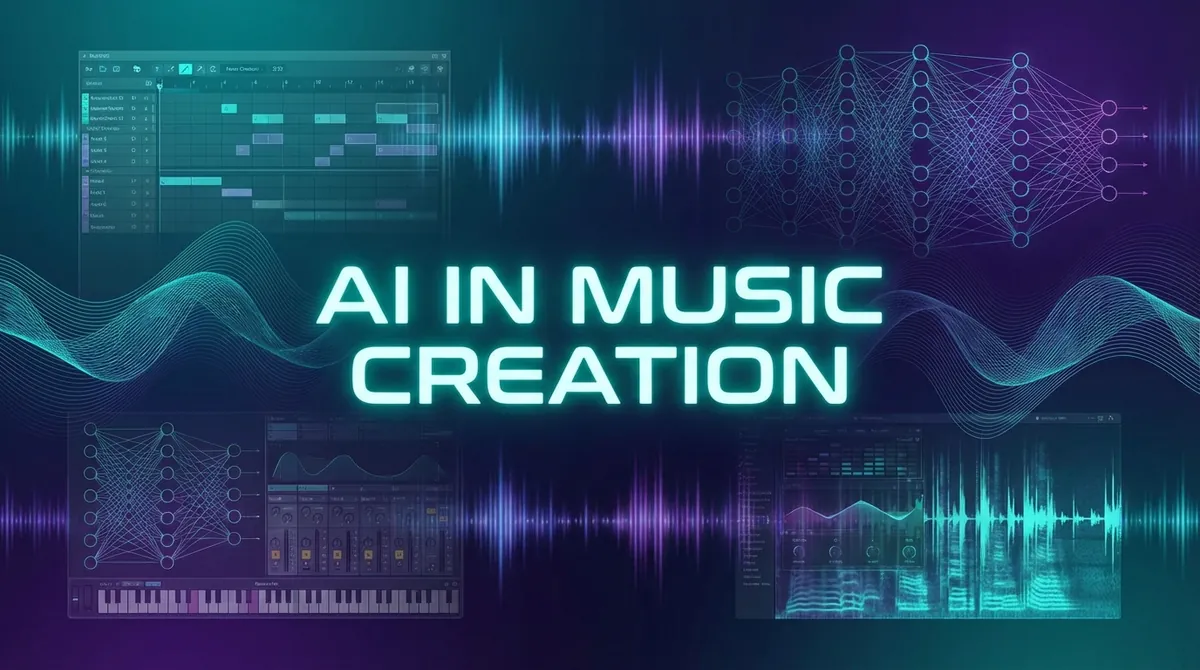
In 2026, the "Sound of the Future" is being mathematically optimized. Artificial Intelligence has transitioned from a experimental tool in the producer's toolkit to becoming the foundational architecture of the music industry. From writing viral melodies and generating photorealistic vocal performances to managing the complex logistics of global streaming and protecting copyrights, AI is the new maestro. We have entered the era of "Algorithmic Harmony," where the barrier between the human composer and the machine is nearly non-existent.
However, the "Digitalization of the Ear" has created a profound crisis of authenticity and ownership. In 2026, "Voice Cloning" technology allows anyone to create a perfect song using a famous artist's vocal signature without their permission. Furthermore, the massive digital platforms that host the world's music are primary targets for cybercriminals who use AI to perform industrial-scale copyright infringement and steal proprietary masters. Protecting the "Soul of the Song" is now a high-stakes cybersecurity battle.
This comprehensive guide explores the primary applications of AI in the music industry in 2026, analyzes the technologies driving the creative revolution, and examines the essential cybersecurity frameworks required to protect the intellectual property and the digital identities of the world's most talented creators.
1. Generative Composition and Production
The AI Co-Writer and Lyricist
In 2026, the "Blank Page" is a relic for songwriters. AI assistants can now generate complex chord progressions, suggest melodic hooks based on current streaming trends, and even draft context-aware lyrics in the specific "Vibe" of an artist. These models are trained on millions of successful songs, allowing creators to explore new genres and musical ideas with unprecedented speed.
Stem Separation and "The Perfect Remix"
AI-powered audio isolation technology is now perfect. In 2026, producers can take any historical recording and instantly separate the vocals, drums, bass, and individual instruments into clean, separate tracks ("Stems"). This has led to a boom in "Hybrid Music," where legendary performances from the past are seamlessly integrated into modern, high-fidelity productions, giving new life to musical history.
2. Personalized Listening and Streaming 2.0
Context-Aware Dynamic Audio
Streaming in 2026 is no longer static. Services now offer "Dynamic Versions" of songs that adjust in real-time. If you are running, the AI can increase the BPM (beats per minute) to match your pace. If you are studying, it can subtly reduce the vocal volume to help you focus. This hyper-personalization ensures that music is always perfectly aligned with the listener's environment and emotional state.
AI-Driven Discovery and A&R
Music labels use AI "A&R Engines" (Artist and Repertoire) to identify the next global superstar. By analyzing patterns across social media, independent streaming platforms, and even local club scenes, AI can predict which artists are "Primed for Success" long before they sign a major deal. This data-driven scouting allows labels to invest their resources with clinical precision.
3. The Virtual Performer and 24/7 Concerts
In 2026, "AI Digital Twins" of famous performers are a primary source of revenue. These virtual avatars can host photorealistic concerts in the Metaverse, interact with millions of fans individually, and perform new material 24/7 without the exhaustion of a real tour. This technology allows artists to scale their global impact while maintaining their own personal health and privacy.
4. Cyber Security: Protecting the Intellectual Assets
As music becomes purely digital and AI-generatable, the methods of theft have become highly sophisticated.
Voice Cloning and "Identity Theft as a Genre"
The most dangerous threat in 2026 is "Unauthorized Vocal Synthesis." Attackers use AI to ingest a few minutes of an artist's voice and then produce a full album of "New" songs that sound exactly like that artist. To combat this, the industry is moving toward "Digital Voice Fingerprinting"—cryptographic tokens that prove a vocal performance was authorized by the original creator.
Managing the "Spectral Scrapers"
Cyber-pirates use "Spectral Scrapers"—AI bots that crawl streaming platforms, isolate the most valuable elements of a song, and then package them into unauthorized sample packs for sale. music labels must implement "Audio Forensics" and "Real-Time Tracking" to identify where their proprietary stems are being used across the web and issue instant takedown notices.
Protecting the Metadata and Royalty Streams
AI also targets the "Plumbing" of the music industry. Attackers can manipulate "Streaming Metadata" to divert royalty payments to fraudulent accounts. In 2026, the shift toward "Distributed Ledger Royalties" (Blockchain) is essential, ensuring that every play is transparently tracked and the payments are automatically and securely distributed to the rightful owners.
Short Summary
AI is the primary engine of the music industry in 2026, enabling generative composition, perfect stem isolation, and hyper-personalized streaming experiences. These technologies allow for immense creative scale and new forms of listener engagement. However, the rise of "Unauthorized Voice Cloning" and "Spectral Scraping" creates severe cybersecurity risks to intellectual property and artist identity. Protecting the industry requires the adoption of "Digital Voice Fingerprints," forensic audio watermarking, and blockchain-based royalty systems to preserve the authenticity and financial integrity of the musical arts.
Conclusion
The music of 2026 is a fusion of human emotion and algorithmic perfection. But the harmony of the industry depends on the security of its creators. As we use AI to amplify our voices, we must be the guardians of the property and the identity that makes those voices unique. The music leaders of the future will be those who can create a symphony of innovation that is as safe as it is beautiful.
Frequently Asked Questions
In 2026, the question of "Real" has been replaced by "Licensed." If an AI-generated song is authorized by a human creator and properly attributed, it is considered a legitimate part of their discography. The "Craft" is now in the direction and curation of the AI's output.