Introduction
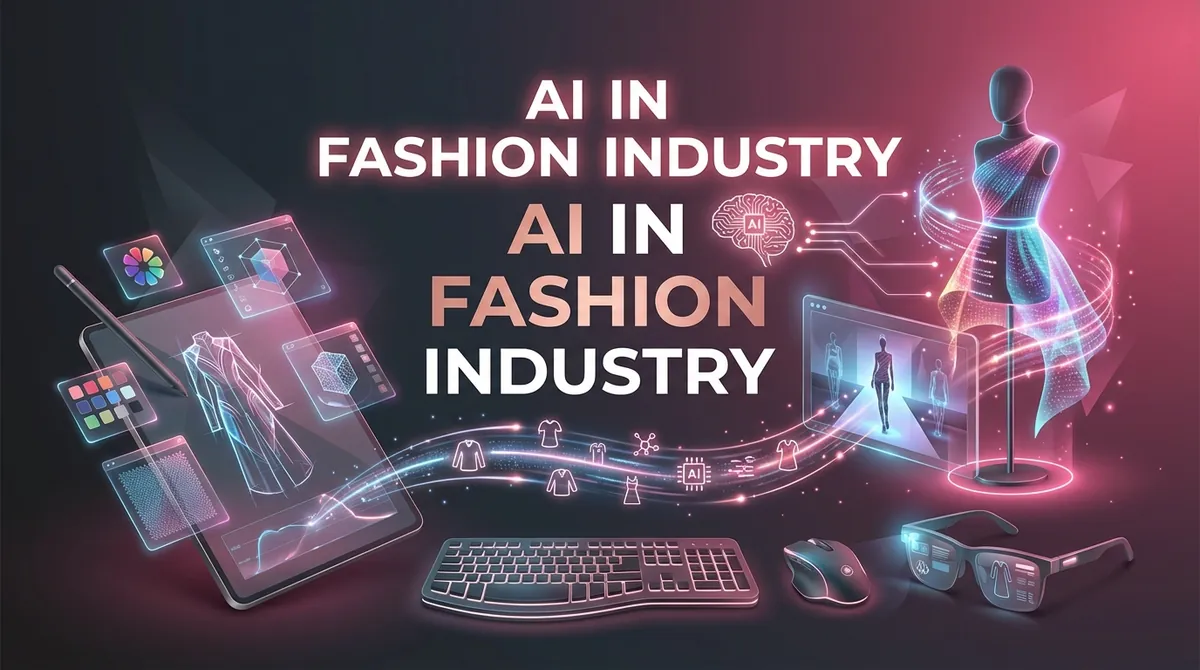
In 2026, the world of fashion is no longer just about fabric and silhouette; it is about algorithms and data. Artificial Intelligence has become the primary creative partner for designers and the operational heart of global retail. From generating thousands of unique textile patterns in seconds to creating photorealistic "Virtual Models" for digital-first collections, AI is accelerating the pace of fashion while making it more personalized and sustainable. we have entered the era of "Smart Style," where every garment is the result of a fusion between human creative vision and machine analytical power.
However, as the fashion industry moves its most valuable assets—proprietary designs, celebrity partnerships, and massive consumer data pools—into the digital realm, it becomes a high-fashion target for cybercriminals. In 2026, "Design Piracy" has moved from counterfeit handbags in street markets to sophisticated AI-powered industrial espionage. Protecting the "Intellectual Runway" is now a mission-critical cybersecurity challenge for every brand, from luxury houses to fast-fashion giants.
This comprehensive guide explores the primary applications of AI in the fashion industry in 2026, analyzes the technologies driving the aesthetic revolution, and examines the essential cybersecurity frameworks required to protect the creative integrity and the digital trust of the global fashion community.
1. Generative Design and The "Digital Atelier"
AI-Augmented Creative Direction
In 2026, fashion designers use AI as a "Mood Board on Steroids." AI models analyze centuries of art history, current street-style trends, and real-time social media sentiment to suggest new color palettes, textures, and silhouettes. This allows designers to explore thousands of "What If" scenarios in minutes, pushing the boundaries of what is possible in garment construction.
3D Digital Prototyping and "Zero-Waste" Sampling
The days of cutting and sewing physical samples that are eventually thrown away are over. In 2026, "Digital Twins" of garments are created in photorealistic 3D. AI simulates how different fabrics will drape and move on a digital body, allowing designers to perfect a piece before a single thread is cut. This not only speeds up the time-to-market but also significantly reduces the environmental impact of the design process.
2. Hyper-Personalization and The Digital Fitting Room
Virtual Try-On and Personal Stylists
As discussed in our e-commerce guide, AI-powered "Virtual Try-On" has become the standard for fashion retail in 2026. Beyond just "seeing" how it looks, AI act as "Personal Style Concierges," remembering your wardrobe and suggesting how a new piece will layer with what you already own. This technology has finally bridged the gap between the convenience of online shopping and the tactility of the physical boutique.
"Made-to-Measure" for the Masses
AI is democratizing bespoke fashion. In 2026, consumers can provide a 3D scan of their body via their smartphone. AI then automatically adjusts a brand's patterns to their exact measurements, allowing for "Custom-Fit" clothing at the price of mass-produced items. This shift is fundamentally changing the "Standard Sizing" model that dominated the 20th century.
3. Sustainable and Smart Supply Chains
In 2026, the most fashionable attribute is sustainability. AI manages the "Circular Economy" of fashion—tracking the provenance of every fiber, predicting demand with 99% accuracy to eliminate overproduction, and optimizing the logistics of garment recycling. AI-powered sorting facilities can now identify and separate dozens of different fabric blends at high speed, making large-scale textile recycling a reality.
4. Cyber Security: Protecting the Boutique and the Brand
The higher the price tag, the more sophisticated the attacker.
Design Espionage and "Algorithmic Counterfeiting"
In 2026, attackers target the private design servers of major fashion houses to steal "Upcoming Collection" data. They then use AI to "Reverse-Engineer" the design patterns and launch high-quality "First-to-Market" counterfeits before the official brand even has its runway show. Protecting the "Digital Design SAN" (Storage Area Network) with Air-Gapping and rigorous "Access Governance" is essential.
Protecting the "Digital Ambassador" and Influencer Data
Fashion brands rely heavily on "Digital Human" models and influencer partnerships. Attackers can hijack these digital identities to post brand-damaging content or leak confidential contract details. In 2026, "Identity Security" for digital talent involves cryptographically signing all official media and implementing Zero Trust for all "Collab" portals where influencers and brands share assets.
Supply Chain Sabotage and "Greenwashing" Fraud
Hackers can manipulate a brand's sustainability data—falsifying "Organic" certifications or "Fair Trade" logs in the ERP system. This "Sustainability Sabotage" can lead to massive PR disasters and legal fines. Fashion brands in 2026 use "Immutable Supply Chain Ledgers" (Blockchain) to ensure that the "Green" claims they make to their customers are backed by unhackable proof.
Short Summary
AI is the primary creative and operational partner in the fashion industry of 2026, enabling generative design, photorealistic digital prototyping, and hyper-personalized retail experiences. These technologies allow for more innovative, efficient, and sustainable fashion. However, the digitalization of the industry introduces severe cybersecurity risks, including the "Algorithmic Counterfeiting" of upcoming collections and the manipulation of sustainability data. Protecting the fashion ecosystem requires Air-Gapped design servers, cryptographically signed digital assets, and blockchain-based supply chain transparency to preserve the integrity of the brand.
Conclusion
Fashion in 2026 is a fusion of timeless aesthetics and futuristic intelligence. But the "Beauty" of the industry depends on the "Integrity" of its creations. As we use AI to design the clothes of tomorrow, we must be the guardians of the property and the trust that makes a brand valuable. The fashion leaders of the future will be those who can weave together creativity and security into a single, seamless digital fabric.
Frequently Asked Questions
No. AI is the "Super-Pencil," but the human designer is the "Visionary." AI can generate patterns and suggest styles, but it cannot understand the deep cultural meaning, the emotional subversion, or the "cool factor" that defines a great fashion moment.