Introduction
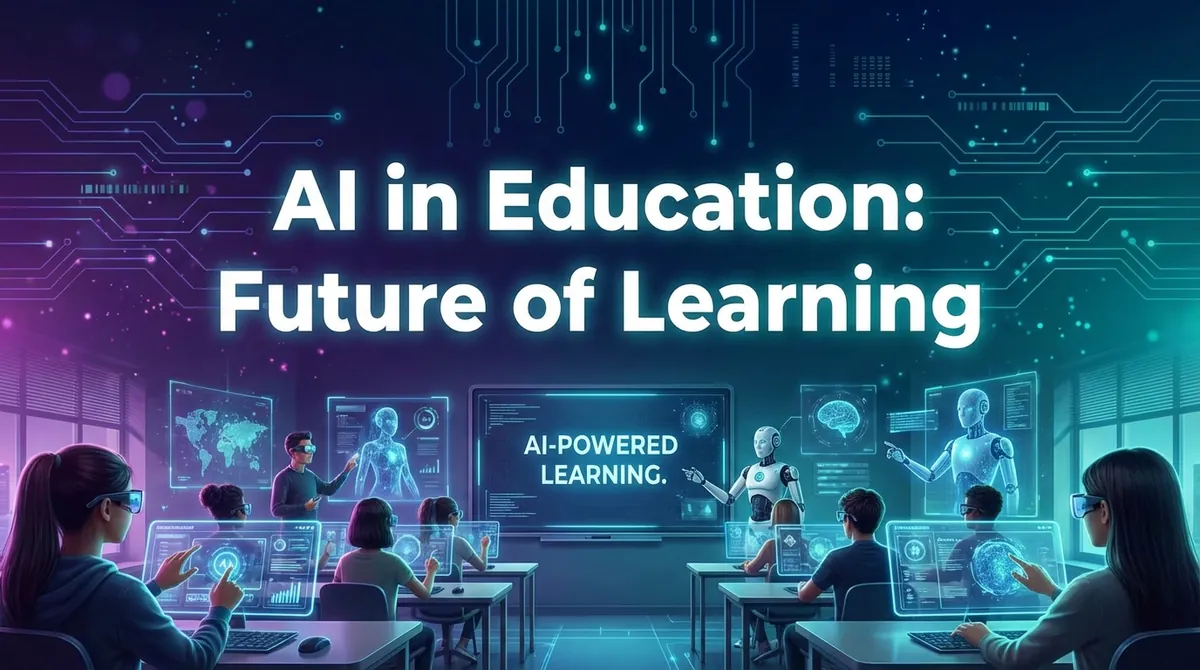
In 2026, the traditional "one-size-fits-all" model of education is rapidly being replaced by an "AI-First" pedagogical approach. Artificial Intelligence has transitioned from a controversial classroom tool to the primary engine of personalized learning, helping educators meet the unique needs of every student. We are entering an era where every learner, regardless of their location or background, can have access to a world-class, 24/7 AI tutor that understands their strengths, weaknesses, and preferred learning style.
However, the digitalization of the classroom brings profound challenges. As we integrate AI into the core of the educational experience, we are handling massive amounts of highly sensitive data about children and young adults—their cognitive patterns, academic performance, and personal interests. Protecting this "Digital Intellectual Heritage" from cyberattack and ensuring that AI remains a tool for empowerment rather than a source of bias is the most critical challenge for educational leaders in 2026.
This comprehensive guide explores the primary applications of AI in education today, analyzes the rise of "Adaptive Learning Systems," and examines the essential cybersecurity and privacy frameworks required to keep our schools and students safe in a connected world.
1. Personalized and Adaptive Learning
The AI Personal Tutor
The most significant breakthrough in 2026 is the maturity of AI tutoring systems. These platforms use Natural Language Processing to converse with students, identifying precisely where they are struggling in real-time. If a student is stuck on a calculus problem, the AI doesn't just provide the answer; it identifies the underlying concept they haven't mastered and provides targeted, interactive mini-lessons to bridge the gap.
Adaptive Curriculum Management
Curricula in 2026 are no longer static textbooks. AI-driven platforms dynamically adjust the difficulty, pacing, and even the content of a course based on the student's progress. A student who excels at visual learning will be presented with more diagrams and simulations, while one who learns better through reading will receive more textual explanations. This ensures that every student is consistently challenged without being overwhelmed.
2. Empowering Educators with AI
Automated Administrative Tasks and Grading
AI has significantly reduced the administrative burden on teachers. In 2026, AI handles the majority of routine grading for multiple-choice and even short-answer assessments, providing instant feedback to students. This allows teachers to focus their time on what they do best: high-value mentoring, emotional support, and facilitating complex, collaborative projects.
Predictive Student Analytics
Schools now use AI to identify students who are at risk of falling behind or dropping out long before it happens. By analyzing attendance patterns, engagement levels in digital platforms, and homework submission rates, AI provides "Early Warning" signals to counselors and teachers, allowing for proactive intervention and support.
3. The Future of Higher Education and Lifelong Learning
In 2026, the boundaries of the "University" are expanding. AI is enabling "Micro-Credentialing" on a global scale. Professionals can use AI-guided learning platforms to acquire specific, high-demand skills in weeks rather than years. These platforms provide a "Dynamic Skill Map" that shows learners exactly what they need to learn to qualify for their dream job and then provides the AI-powered training to get them there.
4. Cyber Security: Protecting the Modern Classroom
The educational sector is now a high-priority target for cybercriminals due to the wealth of sensitive personal data it holds.
Ransomware in the School District
In 2026, ransomware attacks on K-12 school districts and universities have become a chronic problem. Attackers lock down the digital learning platforms that students and teachers rely on, demanding payment to restore access. Protecting education requires "Resilient Cloud Architectures" and rigorous offline backups to ensure that learning can continue even during a security incident.
The Problem of "Shadow EdTech"
Students and teachers often use unapproved AI tools for their work, creating "Shadow EdTech" ecosystems. These tools may not meet a school's strict data privacy or security standards, potentially exposing student data to third-party advertiers or malicious actors. Schools must implement "Approved AI Lists" and use Cloud Access Security Brokers (CASB) to monitor and secure AI usage across the district.
Data Privacy and the "Child Data" Ethics
Protecting child data is a legal and moral imperative. In 2026, educational AI must adhere to strict "Privacy-by-Design" principles. This includes ensuring that data is anonymized, that AI models aren't "re-identifiable," and that parents have full transparency into what data is being collected and how it is being used to train the educational algorithms.
Short Summary
AI is transforming education in 2026 through personalized AI tutors, adaptive curricula, and predictive analytics that help identify students at risk. These technologies allow for more efficient, tailored learning experiences. However, the digitalization of education introduces significant cybersecurity risks, including school-targeting ransomware and the "Shadow EdTech" problem where unapproved tools expose sensitive student data. Protecting the educational ecosystem requires a "Privacy-First" approach, rigorous vendor vetting, and resilient digital architectures to safeguard the data of the next generation.
Conclusion
The future of education is bright, empowered by an AI that understands us as individual learners. But the success of this revolution depends on our ability to protect the students we serve. As we build the schools of 2026, we must ensure that our technology is as secure and ethical as it is intelligent.
Frequently Asked Questions
In 2026, AI is highly proficient at grading factual accuracy, structure, and grammar in essays. However, evaluating deep creativity, original thought, and nuanced philosophical arguments still requires the expert judgment of a human educator. AI is typically used as a "first pass" tool to provide immediate feedback.