Introduction
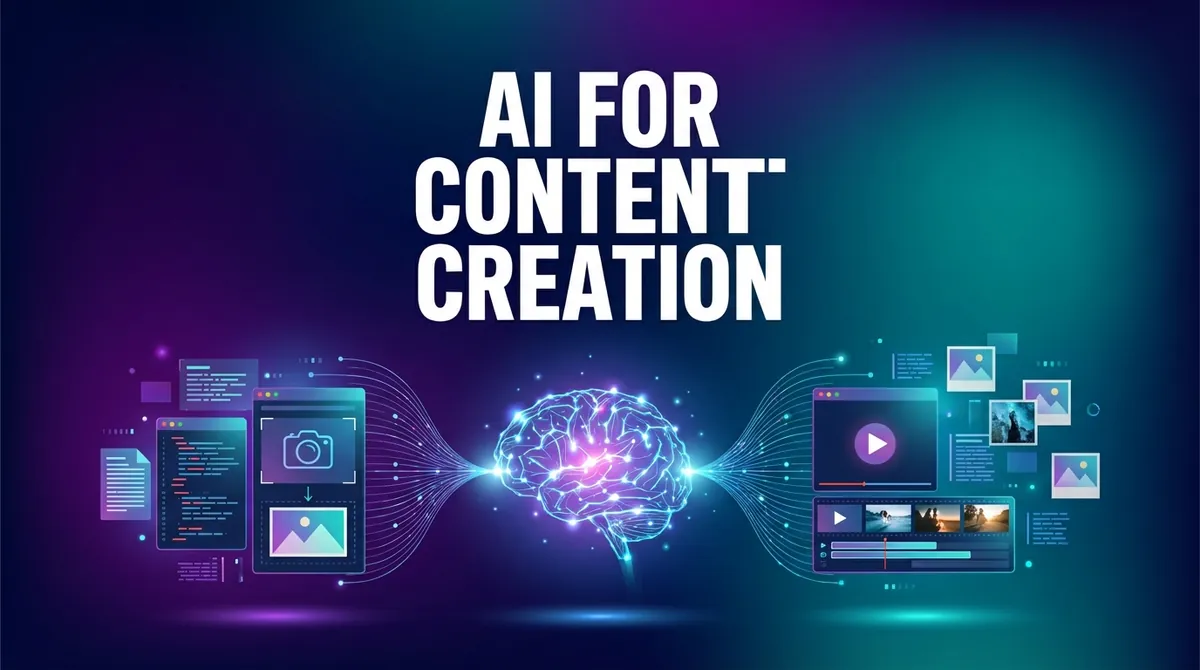
In 2026, Content Marketing is no longer just about writing articles or social media posts; it is about managing a sophisticated factory of generative creativity. Artificial Intelligence has become the primary partner for marketers, enabling them to produce high-quality, personalized content at a scale and speed that was unimaginable just a few years ago. We have entered the era of the "Augmented Marketer," where AI handles the data analysis, the formatting, and the initial drafts, allowing human creators to focus on high-level strategy, cultural nuance, and emotional storytelling.
However, the "Generative Boom" has also created a crisis of authenticity and trust. As the internet is flooded with AI-generated content, consumers are becoming more skeptical and demanding. Furthermore, the use of AI in marketing introduces significant cybersecurity risks—from brand impersonation and deepfake "CEO" posts to the unintentional leakage of company secrets through public AI tools. Protecting a brand's "Digital Reputation" is now a top-tier security priority.
This comprehensive guide explores the state of AI in content marketing in 2026, analyzes the technologies driving the creative revolution, and provides the essential cybersecurity framework required to protect your brand in a world of infinite AI content.
1. The Generative Creative Stack of 2026
Generative Writing and "Agentic" Planning
The "Blank Page" problem is dead. AI content assistants in 2026 don't just "write"; they "plan." A marketer can give a simple goal—"Launch a campaign for our new sustainable sneakers"—and the AI will generate a full content calendar, identify the best keywords for 2026 SEO, and produce tailored drafts for blogs, emails, and social media platforms, all while maintaining a consistent brand voice.
AI Video and Motion Graphics
Video is the dominant content format in 2026, and it's mostly AI-powered. Tools can now transform a blog post into a high-fidelity video script, generate photorealistic "AI Presenters," and even create custom cinematic b-roll from a text prompt. This allows brands to produce daily video content without the need for massive production teams or expensive studios.
Dynamic Content Hyper-Personalization
In 2026, "Generic Campaigns" are a relic. AI allows marketers to create thousands of "Dynamic Versions" of a single piece of content. A customer in New York might see a video ad set in a raining city, while a customer in California sees the same product featured in a sunny beach environment. This level of localization and personalization drastically improves engagement and conversion rates.
2. Strategy and Predictive Marketing
AI in 2026 is the marketer’s most powerful analyst. By processing real-time social media trends, competitor activity, and consumer behavior patterns, AI can predict which topics will "go viral" days before they trend globally. This allows brands to be "First to Market" with relevant, high-impact content, positioning them as thought leaders in their industry.
3. The Ethics of "Ghostwritten" AI Content
A major debate in 2026 is the "Transparency of Creation." Many jurisdictions now require brands to use a "Created with AI" watermark or disclosure for content that is significantly machine-generated. Successful brands are those that find the perfect balance: using AI for efficiency while ensuring that the "Core Insight" and "Emotional Hook" of the content remains distinctly human.
4. Cyber Security: Protecting the Brand Voice
As marketing becomes more automated and data-driven, it becomes a high-value target for hackers.
Brand Hijacking and Deepfake PR Crisis
The most dangerous threat in 2026 is "Synthetic Impersonation." Attackers can use AI to create a perfectly realistic deepfake video of a CEO making a controversial statement or a fake "Leaked Product Failure" report. These campaigns can destroy a company's stock price or reputation in hours. Brands must implement "Social Media Monitoring" that can detect deepfakes instantly and use "Cryptographic Signatures" for all official communications to prove authenticity.
Data Leakage via Marketing AI
Marketers often feed sensitive "Internal Strategy" documents into AI tools to help "summarize" or "improve" them. If these tools are public or insecure, that proprietary data becomes part of the AI's training set, potentially leaking to competitors. Organizations must provide "Private, Enterprise-Grade AI" for their marketing teams and implement "Data Loss Prevention" (DLP) to monitor what information is being shared with AI models.
SEO Poisoning and Content Sabotage
Attackers can use AI to flood a brand's target keywords with low-quality, malicious, or misleading content, "Poisoning" the search results and driving potential customers to phishing sites. Marketers must work closely with their security teams to monitor their digital "Search Perimeter" and ensure that their official content remains the trusted authority.
Short Summary
AI is the primary engine of content marketing in 2026, enabling generative writing, automated video production, and hyper-personalized campaigns at scale. These technologies allow brands to be more responsive and creative. However, the use of AI introduces massive security risks, including "Synthetic Impersonation" through deepfakes and the leakage of proprietary strategy data through public AI tools. Protecting a brand requires cryptographic signatures for official media, private enterprise AI environments, and continuous monitoring for deepfake-powered PR crises to maintain brand integrity.
Conclusion
Content marketing in 2026 is a fusion of human imagination and machine power. The brands that will thrive are those that realize that technology is the "Pencil," not the "Author." By using AI responsibly and protecting their "Digital Voice" with unshakeable security, marketers can build deep, authentic connections with a global audience.
Frequently Asked Questions
While a vast majority of content uses AI for drafting, research, or formatting, the "top-tier" content that truly moves audiences still features a strong human element. In 2026, "Purely Human" content has become a premium luxury, while "Human-Augmented" content is the standard for daily business.